You know, that brickwork on your house? It’s not just there to look pretty. It actually does a job, protecting your home from the elements. But sometimes, things go wrong, and the bricks start to break down. This problem, called brickwork spalling, can sneak up on you. It’s when the surface of the brick flakes off, kind of like a bad sunburn. If you don’t catch it early, it can lead to bigger issues down the road. Let’s break down what brickwork spalling is, why it happens, and what you can do about it.
Key Takeaways
- Brickwork spalling is when the outer layer of bricks flakes or chips away, often due to moisture getting trapped inside.
- The main causes include water getting into the bricks, especially when it freezes and thaws repeatedly, but also poor quality materials or bad installation.
- You can spot brickwork spalling by looking for peeling surfaces, cracked or chipped bricks, loose bits falling off, and signs of dampness.
- Preventing spalling involves regular checks of your brickwork, keeping the mortar in good shape, and making sure water drains away properly.
- Fixing spalling can range from replacing just a few bricks to rebuilding larger sections, and sometimes it’s best to call in a pro.
Understanding Brickwork Spalling
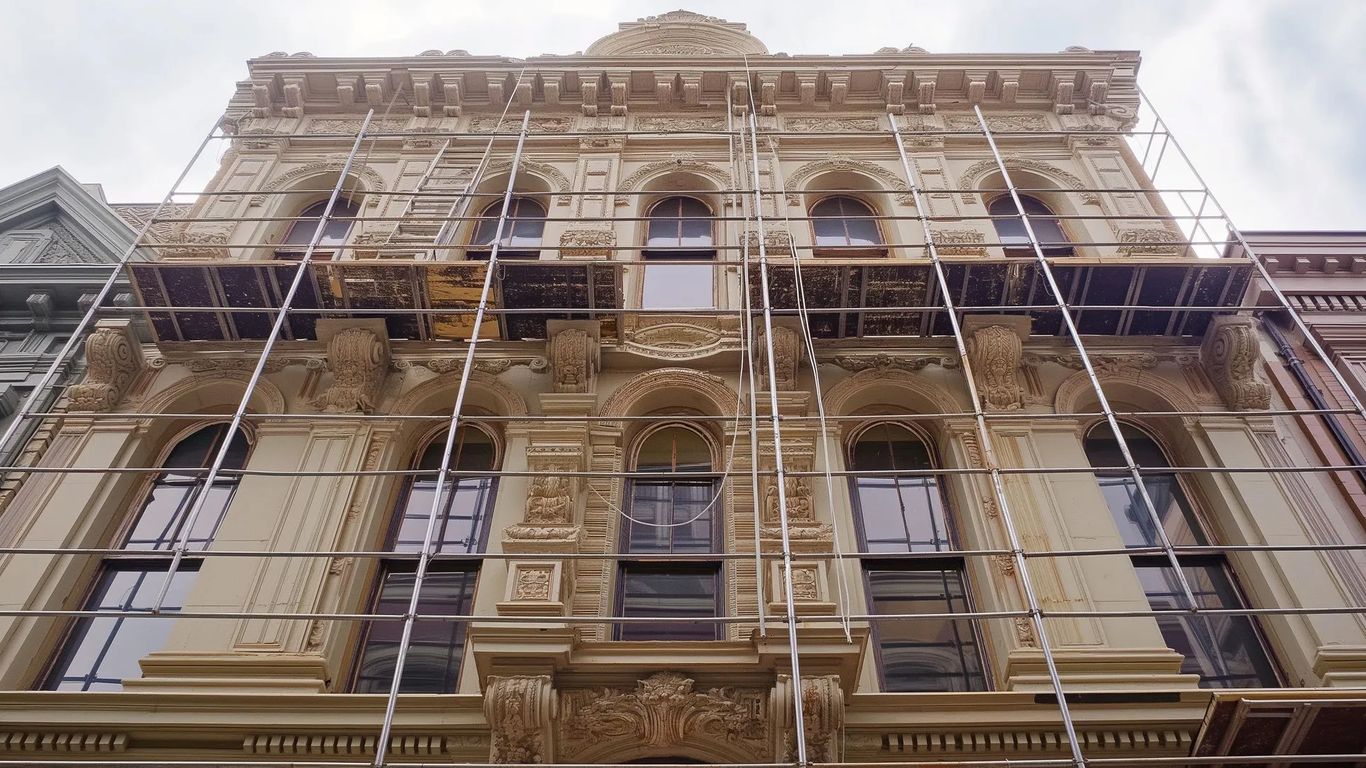
Brickwork spalling might sound like a fancy term, but it’s basically when the outer surface of a brick starts to break away. Think of it like a sunburn for your bricks, where the top layer gets damaged and peels off. This can happen in small flakes or even bigger chunks, leaving the brick looking rough and worn. It’s a sign that something’s not quite right with your masonry.
What Is Brickwork Spalling?
Spalling is essentially the surface of the brick deteriorating. It’s not usually the whole brick crumbling at once, but rather the hard, fired outer shell flaking off. This exposes the softer, more porous inner part of the brick. When this happens, the brick can absorb water much more easily, which then leads to more problems, especially when the weather changes.
The Science Behind Brick Deterioration
So, how does this happen? It often comes down to moisture. Bricks, even though they look solid, have tiny pores. Water can get into these pores. If the temperature drops below freezing, that water turns to ice and expands. This expansion puts pressure on the brick from the inside. When the ice melts, the water can seep back in, and the cycle can repeat. Over time, this repeated freezing and thawing can break down the brick’s surface. It’s a bit like repeatedly bending a paperclip – eventually, it snaps.
- Water Absorption: Bricks naturally absorb some water.
- Freezing: When water inside the brick freezes, it expands.
- Expansion Pressure: This expansion creates stress within the brick.
- Thawing: As it thaws, the brick can become saturated again, repeating the cycle.
Even without freezing, prolonged exposure to moisture can weaken the brick’s structure, making it more susceptible to spalling. It’s a gradual process, but one that can significantly impact the look and integrity of your walls.
Is Brickwork Spalling Dangerous?
While a few small flakes might seem minor, spalling brick isn’t something to ignore. If left unaddressed, it can lead to bigger issues. The compromised bricks allow more water to get into the wall, which can then affect nearby bricks and the mortar joints. This can create a domino effect, where one damaged brick leads to the failure of others. In severe cases, widespread spalling can weaken the overall structure of the wall, making it less stable. It’s best to catch it early, like getting a small repair before it becomes a major headache.
Identifying the Causes of Brickwork Spalling
So, why does brickwork start to flake and crumble? It’s usually not just one thing, but a combination of factors that wear down your bricks over time. Understanding these culprits is the first step to stopping the problem before it gets worse.
The Role of Moisture Intrusion
Moisture is the biggest enemy of brick. Bricks, even dense ones, are porous to some extent. They can absorb water, especially if the mortar joints are failing or if there are existing cracks. When water gets into the brick, it can cause all sorts of trouble. The real damage often happens when this absorbed water freezes and expands. This expansion creates pressure inside the brick, pushing the surface away from the core. Repeat this freeze-thaw cycle enough times, and the surface layer will eventually break off.
But it’s not just about freezing. Even in warmer climates, constant dampness can soften the brick material, making it more susceptible to wear and tear. Think of it like a sponge left out in the rain for too long – it gets soggy and starts to fall apart. This is why water ingress is such a primary concern.
Impact of Freeze-Thaw Cycles
As mentioned, the freeze-thaw cycle is a major player, especially in regions with cold winters. Water seeps into the tiny pores within the brick. When the temperature drops below freezing, that water turns to ice and expands. This expansion exerts significant outward pressure on the brick’s structure. When the temperature rises, the ice melts, and the water can penetrate even deeper. This cycle repeats, weakening the brick’s surface layer until it eventually cracks, flakes, or pops off. It’s a relentless process that chips away at the brick’s integrity.
Material Quality and Installation Errors
Sometimes, the bricks themselves might be the issue. Lower-quality bricks, or those with a higher absorption rate, are naturally more prone to spalling. They just can’t handle moisture as well as denser, better-fired bricks. Then there’s the mortar. Using the wrong type of mortar is a common mistake. For instance, using a mortar that’s too hard for older bricks can cause problems. The mortar should ideally be softer than the brick. If it’s harder, it can transfer stress to the brick, leading to cracks and spalling, particularly right at the joint line.
Installation errors also play a part. Improperly laid bricks, poor drainage around the foundation, or inadequate flashing can all lead to moisture getting trapped where it shouldn’t be. It’s a chain reaction: a small mistake early on can lead to big problems down the road.
Environmental Exposure Factors
Beyond moisture and temperature, other environmental factors can contribute. Exposure to salt, especially in coastal areas or where de-icing salts are used on walkways, can be damaging. Salt can be drawn into the brick and mortar, and its crystallization within the pores can cause expansion and damage. High humidity, pollution, and even harsh cleaning methods like using high-pressure washers can also stress the brickwork over time, making it more vulnerable to spalling. Basically, anything that puts extra strain on the brick’s surface can contribute to its eventual breakdown.
Recognizing the Signs of Brickwork Spalling
So, you’re looking at your brick walls and wondering if something’s up? It’s easy to miss the early signs of trouble, but spotting them is key to stopping bigger problems down the road. Brick spalling isn’t usually a sudden event; it’s more of a slow burn, a gradual breakdown that starts small.
Surface Flaking and Peeling
This is often the first thing you’ll notice. Think of it like sunburn on your skin, but for bricks. The outer layer starts to chip away in small flakes. It might look like the brick is just shedding its skin, and sometimes the color might even look a bit lighter where this surface layer is gone. You might find tiny bits of brick dust or small flakes on the ground below the wall, especially after a wet spell or a cold snap. This surface damage is a clear indicator that moisture is getting into the brick and causing it to deteriorate.
Cracking and Chipping Brick Faces
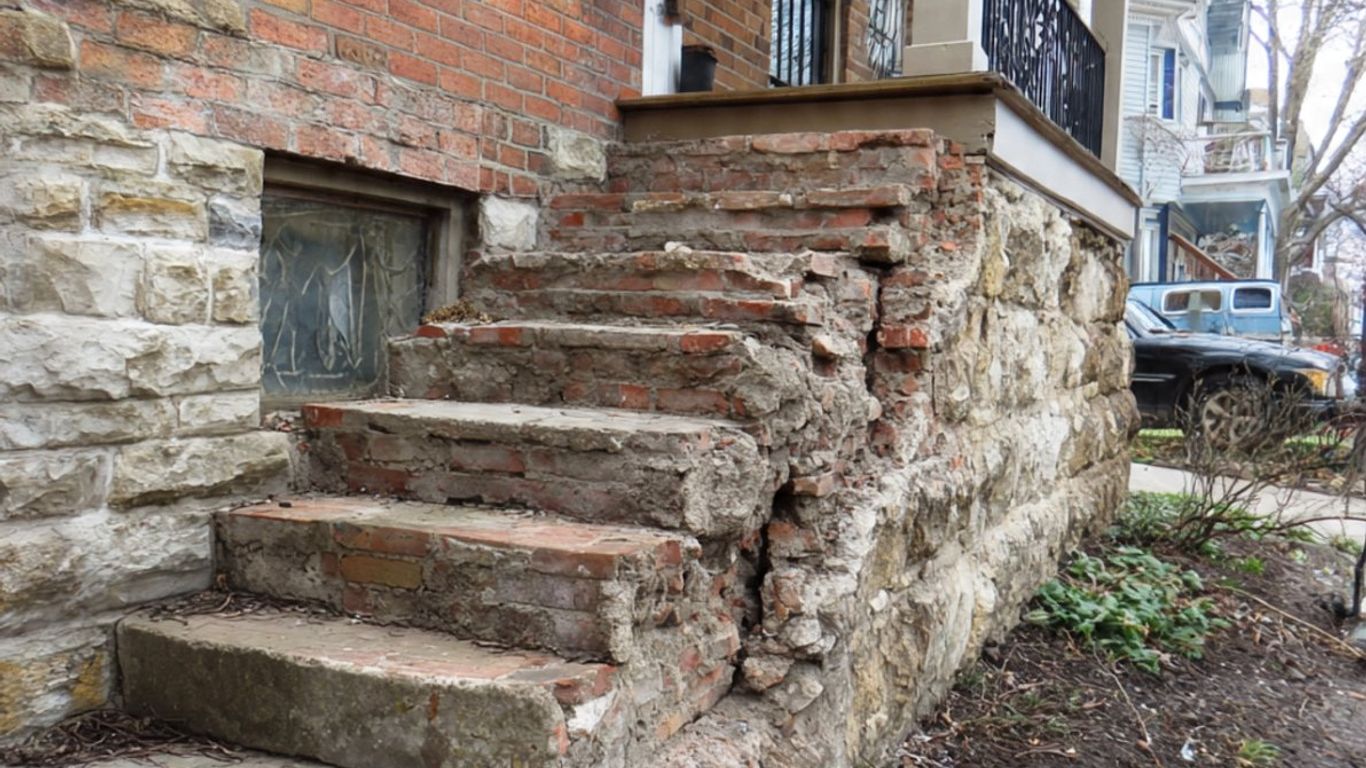
As the flaking progresses, you might start seeing more defined cracks. These can be fine, hairline cracks that look like a spiderweb across the brick face, or they can be deeper. Sometimes, small pieces of the brick’s edge or corner might chip off. If you run your hand over a spalled brick, it’ll likely feel rough and uneven, not smooth like its neighbors. This is because the protective outer surface, the part that’s fired hardest, is breaking away.
Visible Deterioration and Loose Fragments
If things get worse, you’ll see more significant damage. Larger chunks of the brick face can pop off, leaving behind a concave, rough spot. The brick underneath this outer layer is usually softer and more porous, meaning it’ll soak up water even faster. At this stage, the brick isn’t just looking bad; its structural integrity is compromised. You might even be able to pull loose fragments away with your fingers. This is when the problem really starts to accelerate, as the exposed interior is much more vulnerable.
Associated Moisture Indicators
Spalling is almost always linked to moisture. So, keep an eye out for other signs that water is hanging around too long. This could include:
- Damp or discolored patches on the brickwork, especially after rain.
- White, powdery salt deposits (this is called efflorescence) appearing on the brick surface. It’s a sign that water is moving through the brick and carrying dissolved salts with it.
- Mortar joints that look crumbly, cracked, or are missing entirely. Damaged mortar lets water seep into the wall system.
Pay attention to areas that are constantly wet, like near downspouts or where water might pool. These spots are prime candidates for developing spalling if not properly managed. Addressing drainage issues is a big part of preventing this kind of damage.
If you’re seeing these signs, it’s a good idea to get a professional to take a look. Early detection can save you a lot of headaches and money on repairs. It’s better to catch it when it’s just a bit of surface flaking than when entire bricks are crumbling away.
Strategies for Preventing Brickwork Spalling
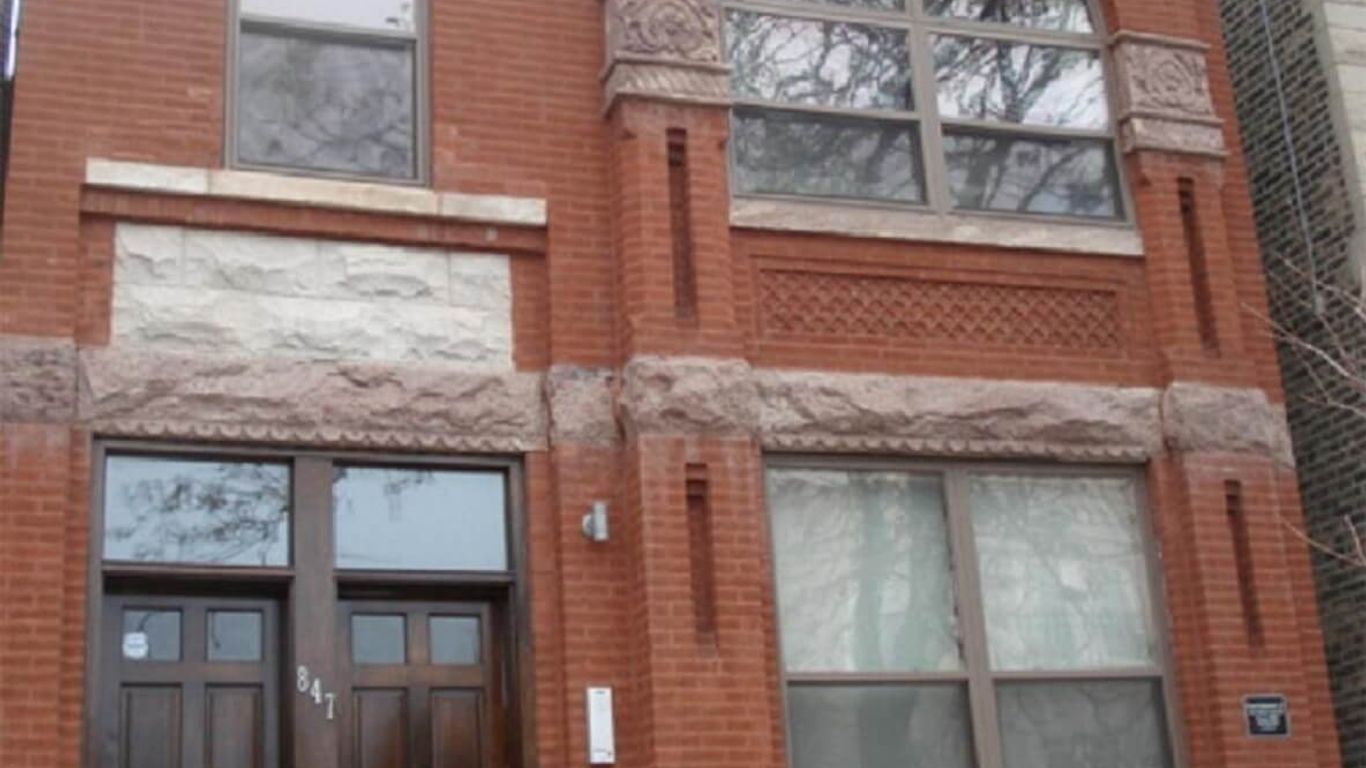
Preventing brick spalling is all about keeping water out and managing what little water might get in. It’s way easier to stop it before it starts than to fix it later, trust me. Think of it like this: you wouldn’t wait for your roof to leak before checking it, right? Same idea applies here.
Regular Masonry Inspections
This is probably the most important step. You need to get eyes on your brickwork regularly. An annual check-up is a good starting point. Look for any small cracks in the mortar or the bricks themselves. Sometimes, a single spalled brick can be a sign of a bigger water problem brewing. Catching these little things early can save you a ton of headaches and money down the road. It’s like finding a tiny leak in your plumbing before it floods your basement.
Maintaining Mortar Joints
Mortar joints are like the grout between your tiles – they seal things up. When they start to crumble or crack, water finds an easy way in. So, keeping them in good shape is key. This means tuckpointing, which is basically filling in those worn-out joints with new mortar. Don’t wait until you see big gaps; even small cracks can let moisture seep in. If you’re unsure about the right type of mortar, it’s best to consult with a pro. Using the wrong kind can actually make things worse.
Effective Drainage Management
Water needs to go somewhere, and you don’t want it pooling around your foundation or running down your brick walls. Make sure the ground around your house slopes away from the building. Gutters and downspouts are also super important. Keep them clean and make sure they direct water at least a few feet away from the walls. Clogged gutters can cause water to overflow right onto your brickwork, which is exactly what you don’t want. Proper drainage around your home is a big deal for preventing all sorts of water damage.
Choosing Appropriate Materials
When you’re building new or doing repairs, the materials matter. Not all bricks are created equal, and neither is mortar. For repairs, you need to match the existing brick and mortar as closely as possible, especially in terms of hardness and permeability. Using a mortar that’s too hard for the brick can cause the brick to spall. It’s a bit of a science, and sometimes you need a professional to figure out the best mix. Also, be really careful with brick sealers. Some types can actually trap moisture inside the brick, making spalling more likely. It’s not a one-size-fits-all situation, so get advice before you slather anything on.
The goal is to create a system where water can easily escape and doesn’t get trapped within the brick and mortar. This involves looking at the whole picture, from the roof down to the ground.
Here’s a quick rundown of what to watch out for:
- Grading: Ensure the soil slopes away from your foundation.
- Gutters & Downspouts: Keep them clear and ensure proper discharge.
- Flashing: Check that flashing around windows, doors, and rooflines is intact and directing water away.
- Mortar Joints: Inspect annually for cracks or deterioration and repair promptly.
- Sprinklers: Make sure they aren’t spraying directly onto the brick walls.
Taking these steps can significantly reduce the chances of dealing with brick spalling repairs later on.
Repairing and Restoring Spalled Brickwork
So, your brickwork has started to show signs of spalling. Don’t panic just yet! While it’s a bummer, there are definitely ways to fix it up. The approach you take really depends on how bad the damage is. Sometimes, it’s just a surface issue, and other times, it’s a bit more involved.
Localized Brick Replacement
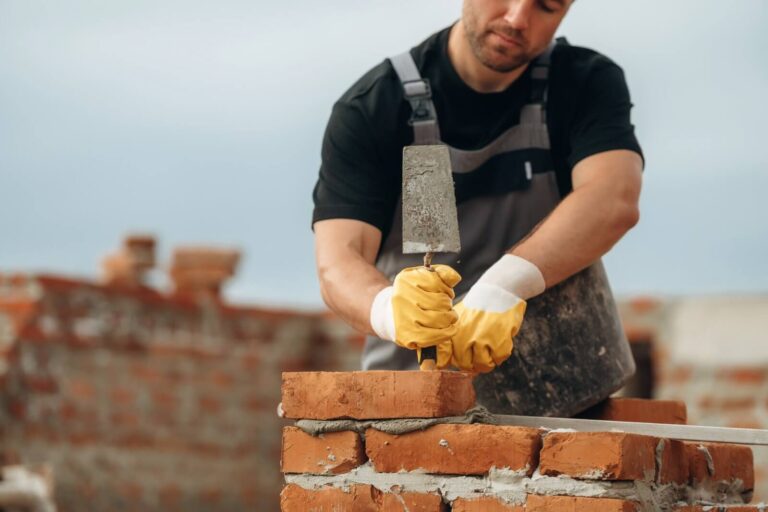
If only a few bricks are affected, you might be able to just swap out the damaged ones. This sounds simple, but getting a perfect match for the old brick and mortar can be tricky. You’ll want to find bricks that are similar in size, color, and texture. If the spalling is on a really visible part of your house, like the front facade, you might want to call in a pro to make sure it looks right. They know how to carefully remove the old brick and mortar without messing up the surrounding area. Then, they’ll mix up some new mortar, get the new brick in place, and make sure the joints look consistent with the rest of the wall. It’s a bit of an art form, honestly.
Sectional Rebuilding
When the spalling has spread across a larger area, just replacing individual bricks might not cut it. In these cases, masons might need to take down a section of the wall, brick by brick, and then rebuild it using matching materials. This is more involved than just swapping out a few bricks, but it’s a solid way to restore the look and strength of that part of the wall. Making sure the new section bonds properly with the existing wall is super important for stability.
When to Seek Professional Assistance
Look, sometimes a DIY fix just isn’t going to cut it. If you’re seeing widespread damage, or if the spalling is happening on a critical structural part of your building, it’s probably time to call in the experts. They have the tools and the know-how to properly assess the situation and perform repairs that will last. Trying to patch over deep damage or using the wrong materials can actually make things worse in the long run. It’s better to get it right the first time, especially when it comes to your home’s integrity. You don’t want to end up with a bigger mess on your hands later.
It’s important to address spalling promptly. Ignoring it can lead to more significant structural issues down the line, making repairs more complex and costly. Early intervention is key to preserving the appearance and longevity of your brickwork.
Here’s a quick rundown of what might be involved:
- Assessment: A professional will check the extent of the damage and figure out the best repair method.
- Preparation: This might involve removing loose debris, old mortar, or damaged bricks.
- Repair: Depending on the damage, this could be patching, repointing, replacing bricks, or rebuilding sections.
- Finishing: Making sure new mortar matches the old and the overall appearance is consistent.
For more involved repairs, especially on older homes, finding someone experienced with historic masonry is a good idea. They’ll know how to work with the original materials and techniques.
Wrapping Up: Keeping Your Bricks Looking Good
So, we’ve talked about brick spalling – basically, when the outside of your bricks starts to flake off. It’s usually because of water getting in and then freezing and expanding, or just sitting there too long. You can spot it by looking for peeling surfaces, chipped corners, or even loose bits of brick. The good news is, catching it early makes a big difference. Regular check-ups on your brickwork, keeping an eye on those mortar joints, and making sure water drains away properly are your best bets for stopping spalling before it gets bad. If you do see it happening, don’t wait too long to fix it, because it can lead to bigger problems down the road. A little bit of attention now can save you a lot of headaches and money later on.
Frequently Asked Questions
What exactly is brick spalling?
Brick spalling is like when the outer layer of a brick starts to chip, flake, or peel off. Think of it like sunburn on your skin, where the top layer gets damaged and comes off, revealing a rougher surface underneath. This usually happens because the brick has soaked up too much water.
What makes bricks spall?
The main reason is water getting into the brick. In cold places, this water can freeze and expand, pushing the brick’s surface apart. Even without freezing, too much moisture can weaken the brick over time. Other things like bad mortar, poor installation, or even strong cleaning methods can also cause it.
Is spalling brick a serious problem?
Yes, it can be. When bricks spall, they aren’t as strong as they used to be. If a lot of bricks spall, it can make the whole wall weak and might even lead to parts of it falling down. It’s best to fix it before it gets worse.
How can I tell if my bricks are spalling?
Look for signs like small flakes or pieces of brick on the ground below your walls. The surface of the bricks might look rough, chipped, or like it’s peeling. You might also see fine cracks on the brick faces or notice damp spots on the wall.
Can spalling be fixed without replacing the bricks?
For small, surface-level spalling, sometimes repairs like patching or filling small cracks can work. However, if the brick is badly damaged or crumbling, it usually needs to be replaced to keep the wall strong and safe.
What’s the best way to stop bricks from spalling in the first place?
The best defense is to keep water away from your bricks. Make sure your gutters and drains work well to move water away from your house. Regularly check and fix any cracks in the mortar between the bricks. Also, getting your masonry checked by a professional every year can help catch problems early.