You know, sometimes the stuff you don’t see is the most important. Like lintels. They’re those beams over your doors and windows, holding up all that brick and stuff. But if they’re not looked after, they can get pretty gnarly. We’re talking about rusting lintel problems here, and let me tell you, ignoring them is a bad idea. This article is going to break down what to do about it, whether you need a quick fix or a whole new beam, and how to stop it from happening again. We’ll cover everything you need to know for 2026.
Key Takeaways
- Rusting lintel issues often start small but can lead to big structural problems if ignored. Keep an eye out for cracks and rust stains.
- Sometimes a simple rust treatment is enough, but if the lintel is weakened, you’ll need a full replacement to keep your house safe.
- Replacing a lintel is a job for the pros. They have to support the wall while they swap out the old beam for a new one.
- Steel is common, but it rusts. Concrete can crack, and stone or wood have their own weaknesses. Picking the right material for a replacement is important.
- The best way to deal with a rusting lintel is to prevent it in the first place. Regular checks and good maintenance go a long way.
Understanding Rusting Lintel Issues
Lintels are those often-overlooked structural elements that sit above your doors and windows. Think of them as the unsung heroes holding up the weight of the wall directly above these openings. Without them, your walls would simply collapse. They’re typically made of steel, concrete, stone, or even wood, and each material has its own set of vulnerabilities, especially when it comes to the elements.
Common Causes of Lintel Deterioration
Several factors can lead to a lintel’s downfall, but moisture is usually the main culprit, especially for steel lintels. When water gets in, it can start a chain reaction. For steel, this means rust. Rust isn’t just an eyesore; it’s a sign that the metal is weakening and losing its ability to carry the load. This can happen from direct rain exposure, poor drainage, or even condensation.
- Water Ingress: Leaky roofs, faulty flashing, or cracked caulking around windows and doors can allow water to seep into the wall cavity and onto the lintel.
- Humidity and Salt Air: In coastal areas or places with high humidity, the air itself can accelerate corrosion.
- Thermal Bridging: Steel conducts heat. This means the area above a steel lintel can get colder in winter, leading to condensation on the inside, which then promotes rust.
- Physical Damage: Impact or excessive weight can cause cracks in concrete or stone lintels, allowing moisture to penetrate.
Ignoring small issues like hairline cracks or minor rust spots can quickly turn into a much bigger, more expensive problem down the line. It’s like that little drip under your sink – easy to fix at first, but left alone, it can ruin your cabinets.
Identifying Signs of a Rusting Lintel
Spotting a problem early is key to avoiding major headaches. You don’t need to be a structural engineer to notice some common warning signs. Keep an eye out for:
- Rust Stains: Brownish or reddish streaks running down the wall below the lintel are a dead giveaway for steel lintel corrosion.
- Cracks: Look for vertical or diagonal cracks extending from the corners of windows or doors. These often indicate the lintel is failing or the wall is sagging.
- Sagging or Bowing: If the lintel itself appears to be drooping or bowing downwards, it’s a clear sign of structural weakness.
- Spalling Concrete: For concrete lintels, chunks of concrete breaking away, especially around rebar, signal that the embedded steel is rusting and expanding.
The Critical Role of Lintels in Home Structures
Lintels are absolutely vital for the stability of your home. They distribute the weight of the masonry above doors and windows evenly to the supporting walls on either side. Without a properly functioning lintel, the load isn’t transferred correctly. This can lead to:
- Structural Instability: The wall above the opening can sag or even collapse.
- Window and Door Malfunctions: As the structure shifts, windows and doors can become difficult to open or close, or they might not seal properly.
- Compromised Aesthetics: Cracks and stains not only look bad but can also indicate deeper structural issues that affect your home’s overall value. If you’re looking to buy a home, understanding the condition of its lintels is part of a thorough home inspection.
When a lintel starts to fail, it’s not just a cosmetic issue; it’s a structural one that needs attention. Addressing these problems promptly can save you a lot of trouble and expense later on. The average cost for lintel replacement can vary, but early detection often means less invasive and less costly repairs.
Repairing vs. Replacing a Rusting Lintel
So, you’ve spotted some rust or maybe a little crack around your window or door opening. The big question now is: can we fix this, or do we need a whole new lintel? It’s not always a straightforward answer, and honestly, trying to guess can lead to bigger headaches later on. The decision hinges on the extent of the damage and the lintel’s remaining structural capacity.
When Lintel Repair Is Sufficient
Sometimes, the damage is just skin deep. If you’re dealing with surface rust on a steel lintel that hasn’t eaten away much of the metal, or just a few tiny hairline cracks in concrete, a repair might do the trick. These fixes usually involve cleaning and treating the rust, or injecting special epoxy into cracks to seal them up and add a bit of strength back. It’s a bit like putting a bandage on a small cut – it stops things from getting worse and keeps the area protected. For minor chips in stone lintels, specialized repair mortars can often blend in and restore the look and some of the strength.
- Surface Rust: Cleaning, treating, and painting steel lintels can halt minor corrosion. This is often a cost-effective solution if the metal thickness is still good.
- Hairline Cracks: Small cracks in concrete can be sealed with epoxy injections, preventing water ingress and further damage.
- Minor Stone Chips: Cosmetic repairs can often restore the appearance and integrity of slightly damaged stone lintels.
When Full Lintel Replacement Is Necessary
Now, if the rust has really dug in, thinning out the steel significantly, or if you see major cracks, spalling concrete (where pieces of concrete break off, often exposing rusty rebar), or any sign of sagging, it’s time for a replacement. These issues mean the lintel is no longer doing its job of holding up the wall above. Trying to patch up something that’s structurally compromised is like building on a shaky foundation – it’s just not safe. Replacing the lintel means removing the old, failing one and installing a brand new one designed to carry the load properly. This is a more involved process, often requiring temporary supports to hold the wall up while the old lintel is taken out and the new one is put in. It’s definitely not a DIY job for most people; you really need professionals who know how to handle the structural load safely. This is where you might look into professional lintel replacement.
Assessing Structural Integrity for Repair Decisions
How do you know if it’s a repair job or a full replacement? A professional assessment is key. They’ll look at:
- Depth of Corrosion: How much metal has actually been lost from a steel lintel?
- Crack Width and Depth: Are the cracks superficial or do they go deep into the material?
- Deflection: Is the lintel sagging or bowing at all? Even a little bit can indicate serious weakness.
- Material Condition: Is the concrete crumbling? Is the rebar exposed and corroded?
Ignoring signs of lintel distress, especially those related to moisture ingress, can turn a manageable repair into a much larger, more expensive problem. Hidden damp, for instance, can silently accelerate corrosion and compromise structural integrity, leading to unexpected costs and potential structural issues.
Ultimately, if the lintel has lost its ability to bear weight safely, replacement is the only sensible route. For less severe issues, a well-executed repair can save you money and extend the life of your lintel.
Professional Lintel Replacement Process
Replacing a damaged lintel isn’t a weekend DIY project; it’s serious structural work. When a lintel has failed, it means the wall above it needs temporary support while the old one is removed and a new one is put in its place. This whole process requires careful planning and execution to keep your home safe and sound. Getting this right is absolutely key to preventing further damage.
Initial Assessment and Planning
Before any work begins, a professional will come out to take a good look. They’ll check the lintel itself, the bricks around it, and figure out exactly what kind of damage you’re dealing with. This isn’t just about seeing rust; they’re assessing the load the lintel carries and whether it’s truly beyond repair. Based on this, they’ll decide if a full replacement is needed and what materials will work best. They’ll also plan out how to support the wall temporarily. This might involve scaffolding or other temporary supports to hold everything up while the old lintel is out. Getting the right materials lined up is also part of this stage, making sure they have what they need before they start tearing things apart.
Safe Removal of the Damaged Lintel
This is where the real skill comes in. Temporary supports, like acrow props or needles, are put in place to take the weight of the wall above the lintel. This is super important – you don’t want anything shifting or collapsing. Once the wall is safely supported, the old, damaged lintel is carefully taken out. The goal here is to remove it without messing up the surrounding brickwork too much. It takes a steady hand and a good understanding of how the structure works. This is the most skill-intensive part of the whole job, and it’s why hiring experienced professionals is so important for lintel repairs and replacements.
Precise Installation of the New Lintel
With the old lintel gone and the wall securely supported, it’s time for the new one. The replacement lintel is carefully positioned, making sure it’s perfectly level and properly anchored. It needs to sit securely in the wall, with enough bearing on each side to transfer the load correctly. This usually means it needs to extend at least six inches into the wall on either side. The new lintel is then set in place, often with mortar, to create a solid connection with the masonry.
Finishing Touches and Sealing
Once the new lintel is in, the job isn’t quite done. The area around the new lintel needs to be properly sealed and waterproofed. This is done to stop water from getting in and causing future problems, especially with steel lintels. Any mortar joints that were disturbed during the process will be repointed to match the existing brickwork, making everything look neat and tidy. Any bricks that might have been moved are put back in place and mortared in. This attention to detail helps protect your investment and keeps your home looking its best.
The entire process, from the initial assessment to the final sealing, is designed to restore the structural integrity of your home. It’s a methodical approach that prioritizes safety and longevity, ensuring the new lintel performs its job for years to come without issue.
Material Considerations for Lintel Replacement
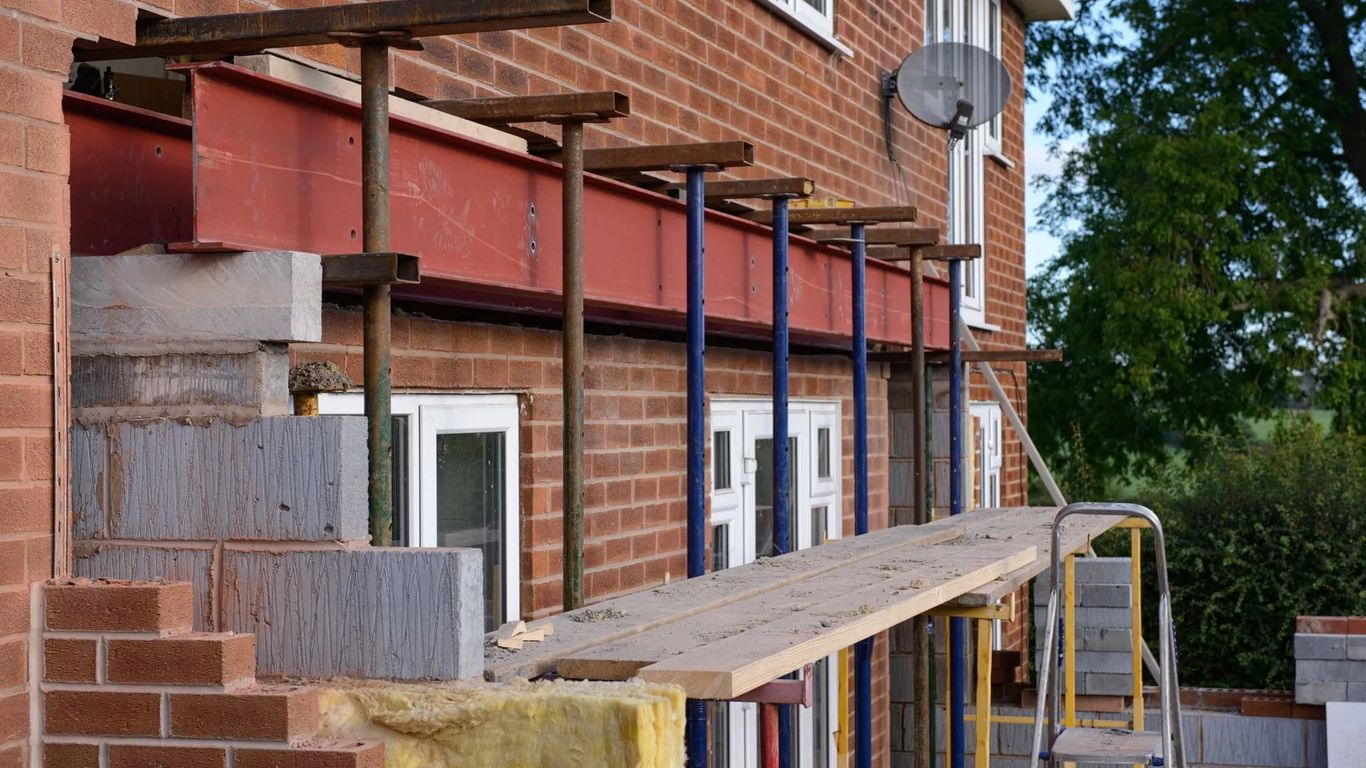
When it’s time to replace a lintel, picking the right material is a big deal. It’s not just about what looks good; it’s about how it holds up over time, especially against the weather. Different materials have their own strengths and weaknesses, and what works for one house might not be the best fit for another. Let’s break down the common options.
Steel Lintels: Durability and Corrosion Resistance
Steel lintels are a popular choice for a reason. They’re strong and can handle heavy loads, making them suitable for a wide range of openings, from small windows to large doorways. The main challenge with steel is its tendency to rust, especially in damp environments. This is why proper installation and maintenance are so important. When steel rusts, it expands, which can push against the surrounding brickwork and cause damage. A survey by Peter Cox identified steel lintel corrosion caused by prolonged dampness. Replacing the affected lintel specifically avoided more extensive structural repairs, enabling a more focused and efficient solution. To combat this, many modern steel lintels are galvanized or coated to provide a protective barrier against moisture. However, even with protection, it’s wise to keep an eye out for any signs of corrosion, particularly around areas where water might collect.
Concrete Lintels: Strength and Vulnerabilities
Concrete lintels are another common sight, often used in newer construction. They offer good compressive strength and are generally resistant to rust. However, concrete isn’t invincible. Over time, it can develop cracks, especially if subjected to heavy loads, ground movement, or harsh freeze-thaw cycles. These cracks are like an open invitation for moisture to seep in, which can then attack the steel reinforcing bars (rebar) inside. When the rebar rusts, it expands, causing the concrete to crack and break away – a process called spalling. This not only weakens the lintel but also exposes the rebar further, creating a cycle of deterioration. Proper design and installation are key to preventing issues like sagging from insufficient support.
Stone and Wood Lintels: Historic and Modern Approaches
Stone lintels have been used for centuries and can add a beautiful, classic look to a home. Natural stone is durable, but it’s not immune to damage. Cracks can form, especially along natural fault lines in the stone, often due to settling or impact. Repairing a cracked stone lintel can be tricky, and if the damage is severe, replacement with a new stone lintel might be the only option. Wood lintels, while less common in modern construction for structural purposes, are sometimes found in older homes or specific architectural styles. The biggest enemy of wood is moisture, which leads to rot. By the time rot is visible on the surface, the structural integrity of the wood lintel is often compromised, necessitating replacement, usually with a more durable material like steel or concrete.
Here’s a quick look at common issues:
- Steel: Rusting and expansion.
- Concrete: Cracking, spalling due to rebar corrosion, and sagging.
- Stone: Cracking from stress or impact.
- Wood: Rot from moisture exposure.
When choosing a replacement, consider the existing structure and the local climate. For instance, if you’re in an area with high humidity, extra precautions against rust for steel lintels are a must. If you’re dealing with a historic property, matching the original material might be important, though often a modern, more durable material is a practical choice. Consulting with a professional can help you weigh these options and make the best decision for your home’s longevity. For homeowners in Fredericton, understanding masonry lintel repair is a good starting point for assessing damage. This guide provides Fredericton homeowners with essential information on masonry lintel repair.
Preventative Maintenance to Avoid Rusting Lintel Problems
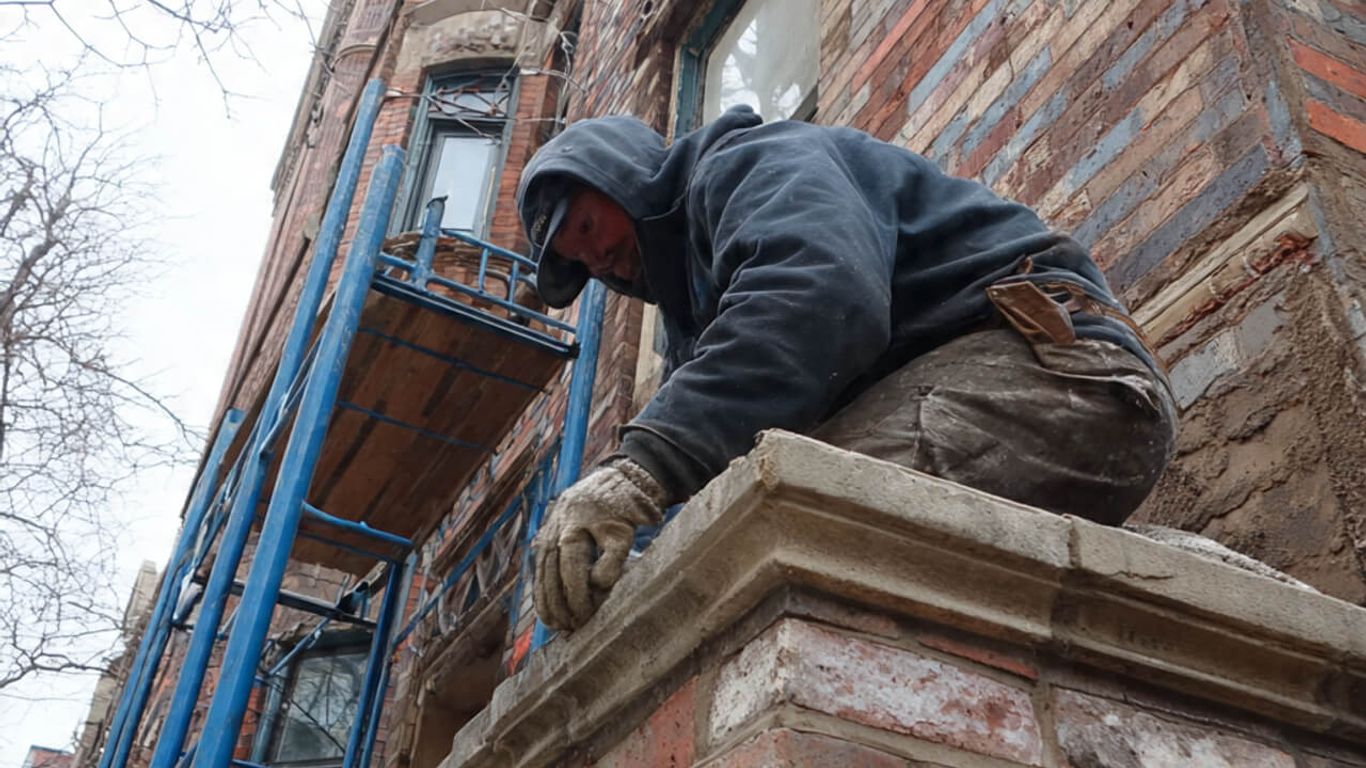
Nobody wants to deal with a rusty lintel, right? It’s one of those things that can sneak up on you and cause a whole lot of headaches if you’re not careful. The good news is, a lot of these problems can be avoided with a little bit of regular attention. Think of it like taking care of your car – a bit of upkeep now can save you from a major breakdown later.
Regular Inspections and Early Detection
Catching rust or other issues early is key. It’s way easier and cheaper to fix a small patch of surface rust than to replace the whole thing. You don’t need to be a structural engineer to do a basic check. Just take a look at the lintels above your doors and windows every year or so. Look for any brown stains on the brickwork, which is a big sign that the steel inside is starting to rust. Also, keep an eye out for any new cracks forming above the openings. If you see anything concerning, it’s best to get a professional opinion before it gets worse. Sometimes, a simple inspection every 10 years by a mason during other work can catch these things.
Maintaining Flashing, Caulking, and Drainage
Water is the main enemy of steel lintels. If water can get to the metal, it’s going to rust. That’s why keeping the areas around your lintels dry is so important. Check the flashing above your windows and doors regularly. This is the metal strip that’s supposed to direct water away. If it’s damaged or missing, water can seep down behind the bricks and onto the lintel. Also, look at the caulking around your windows. Old, cracked caulk lets water in. Replacing it every 7 to 10 years is a good idea. And don’t forget about drainage – make sure any weep holes above the lintel aren’t blocked. These little holes let trapped moisture escape. Keeping these things in good shape helps prevent moisture damage to lintels [4276].
Choosing Corrosion-Resistant Materials for Replacements
When it does come time to replace a lintel, picking the right material makes a big difference for the future. While steel is common, there are options that stand up better to rust. Stainless steel is a good choice, though it can be more expensive. Some modern composite materials are also designed for durability and resistance to the elements. If you’re going with traditional steel, make sure it’s properly coated and sealed. Applying a high-quality primer and exterior-grade paint after any rust treatment is a must [b118]. It creates a barrier that helps keep moisture away from the metal.
The goal of preventative maintenance is to create a protective shield around your lintels. This involves not just addressing visible issues but also ensuring that the systems designed to keep water away are functioning correctly. Small, consistent efforts can prevent large, expensive repairs down the line.
Cost Factors for Lintel Repair and Replacement
When you first notice a problem with a lintel, your mind probably jumps straight to the cost. It’s a big job, affecting both the look and the structural integrity of your home, so it takes time, skill, and the right materials. Understanding what goes into the price tag can help you plan and see why tackling issues early usually saves you money.
Several things shape the final bill. The scope of work is a big one. Filling a small crack and touching up a few mortar joints is way faster and cheaper than pulling out an old lintel and putting in a new one. Then there’s the size and material of the lintel itself. Longer spans, heavy concrete units, or thick steel sections often need more labor and might require extra hands or specialized equipment. Access and height also play a role; lintels on upper floors or over tricky spots might need scaffolding or a lift, which adds to the total.
Estimating Costs for Surface Rust Treatment
If you’re lucky, the damage is just surface rust. This is the cheapest fix. For a single lintel, you’re looking at roughly $200 to $500. This usually involves cleaning off the rust, applying a protective treatment, priming, and then painting. It’s a relatively quick job that keeps the lintel from deteriorating further. Catching rust at this stage is way better than waiting for it to eat through the metal.
Budgeting for Full Lintel Replacements
When a lintel needs a full replacement, the costs jump up. A standard steel lintel replacement for a window might run between $1,000 and $3,000. Door lintels, often needing to be wider or stronger, can be a bit more, say $1,500 to $4,000. Replacing concrete lintels generally falls in a similar range, $1,500 to $3,500, depending on whether a new pour or a precast unit is used. Stone lintels are usually the priciest, often $2,000 to $5,000, because sourcing the right stone and fitting it by hand takes a lot of time and skill. If you need multiple lintels done at once, you can often get a better deal. Bundling 3 to 5 lintels might cost between $3,000 and $12,000, saving you money on things like scaffolding and setup.
Factors Influencing Overall Project Expenses
Beyond the basic repair or replacement, other things can increase the cost. If the lintel is high up, requiring scaffolding, that can add $500 to $2,000. Difficult access to the work area, needing to match historic materials precisely, or requiring a structural engineer’s assessment will also bump up the price. Some areas also have permit requirements, especially in historic districts, which adds another layer of expense. It’s always a good idea to get a few quotes to compare. You can find more details on lintel replacement costs to get a clearer picture for your specific situation.
Addressing lintel issues promptly is key. Small problems, like surface rust or minor cracks, are significantly cheaper to fix than major structural failures. Waiting often means more extensive damage, higher material costs, and more labor hours, ultimately costing you more in the long run.
Here’s a general breakdown of what you might expect:
- Surface Rust Treatment: $200 – $500 per lintel (cleaning, treating, priming, painting).
- Standard Steel Lintel Replacement (Window): $1,000 – $3,000.
- Heavy-Duty Steel Lintel Replacement (Door): $1,500 – $4,000.
- Concrete Lintel Replacement: $1,500 – $3,500.
- Stone Lintel Replacement: $2,000 – $5,000.
- Multiple Lintels (3-5): $3,000 – $12,000 (potential for savings).
Wrapping Up: Keeping Your Lintels Strong
So, we’ve gone over why lintels matter and what happens when they start to fail, whether it’s rust on steel, cracks in concrete, or rot in wood. It’s pretty clear that ignoring these issues isn’t an option if you want to keep your home safe and sound. While some minor rust might be fixable with a bit of treatment, anything more serious, like sagging or deep corrosion, means you’ll likely need a full replacement. Remember, this isn’t really a DIY job; it needs professionals who know how to support the wall properly. Keeping an eye out for those early warning signs and getting a professional check-up every so often is the best way to catch problems early and save yourself a lot of hassle and money down the road. Taking care of your lintels means taking care of your home.
Frequently Asked Questions
What exactly is a lintel and why is it important?
Think of a lintel as a strong, horizontal beam placed above doors and windows. Its main job is to hold up the bricks or stones above that opening, making sure the wall stays strong and doesn’t sag or fall. Without a good lintel, your house could have serious problems.
How can I tell if my lintel is starting to rust or fail?
Watch out for cracks that look like stairs above your windows or doors. You might also see brown rust stains on the bricks, or notice that windows and doors are sticking when you try to open them. Sometimes, the wall above the opening might even look like it’s bowing outwards a little. These are signs that your lintel might need attention.
Is it better to repair a rusty lintel or replace it completely?
It really depends on how bad the rust is. If it’s just on the surface and the metal is still strong, a repair like cleaning, treating, and painting might be enough. But if the rust has eaten deep into the metal, making it thin or weak, or if the lintel is bent, you’ll definitely need to replace the whole thing to keep your house safe.
What kinds of materials are used for new lintels?
New lintels are often made of strong steel, sometimes coated to resist rust even better, or reinforced concrete. For older homes, you might see stone or even wood lintels, but these are less common now because they can rot or crack more easily. Steel and concrete are usually the go-to choices for durability.
How much does it usually cost to fix or replace a lintel?
The price can vary a lot. Just cleaning up some surface rust might cost a few hundred dollars. But if you need to replace the whole lintel, especially for a door opening, it could cost anywhere from $1,000 to $4,000 or even more. Doing several at once can sometimes save you money.
What can I do to prevent my lintels from rusting in the future?
The best defense is keeping water away! Make sure your gutters are clean and directing water away from your house. Check that the flashing (metal strips that guide water) above windows and doors is in good shape. Also, have your lintels checked every so often, especially if your house is older, to catch any small problems before they get big.