Hey there! So, you’ve got some brickwork that’s seen better days? Maybe you’ve noticed some crumbling bits or cracks and are wondering what to do. This guide is all about tuck pointing, which is basically a super important way to fix up your brick buildings. We’ll cover why it’s needed, how it’s done, and what else you might need to know to keep your place looking good and holding strong.
Key Takeaways
- Tuck pointing is the process of repairing damaged mortar joints between bricks to stop water damage and keep your building solid.
- You can spot failing mortar by looking for crumbling bits, gaps wider than an eighth of an inch, white powder on the bricks, or loose bricks.
- The tuck pointing process involves carefully removing old mortar, cleaning the joints, packing in new mortar that matches the old, and tooling the joints to shed water.
- Proper preparation, like clearing the work area and protecting plants, helps the tuck pointing job go smoother and faster.
- Checking that the new mortar fills joints completely, matches the color, and looks uniform across the repaired areas is a good way to tell if the job was done right.
Understanding Tuckpointing: Essential Brick Repair
When you look at older buildings, you often see those neat lines of mortar holding the bricks together. Over time, though, this mortar can start to break down. That’s where tuckpointing comes in. It’s basically a way to fix up those worn-out mortar joints before they cause bigger problems.
What is Tuckpointing and Why Do Buildings Need It?
Tuckpointing is the process of removing old, deteriorated mortar from between bricks and replacing it with new. Think of it like giving your brick walls a much-needed tune-up. Buildings need this kind of repair because mortar doesn’t last forever. Weather, especially in places with harsh winters like Chicago, can really beat up mortar. Freeze-thaw cycles cause water to get into tiny cracks, expand when it freezes, and then push the mortar apart. This makes the joints weak and allows more water to get in, which can lead to serious damage over time. Keeping those mortar joints in good shape is key to a building’s overall health. It helps keep water out, maintains the wall’s strength, and makes the building look better too.
Identifying Failing Mortar Joints Before Water Damage Starts
Spotting problems early is way better than dealing with a huge mess later. You can actually do a pretty good job of checking your brickwork yourself. Take a walk around your building and look closely at the mortar lines. Is it crumbling when you touch it? Are there gaps wider than an eighth of an inch between the bricks? You might also see a white, powdery substance on the bricks, which is called efflorescence – that’s a sign water is getting through. Dark water stains, especially below windows, are another red flag. If you see loose or missing bricks, that’s a pretty clear sign the mortar has failed significantly and needs immediate attention. Catching these issues early means you can get tuckpointing repairs done before water really starts to seep into your walls and cause more expensive damage.
Verifying Your Tuckpointing Repair Was Done Correctly
Once the work is done, you’ll want to make sure it was done right. A good tuckpointing job should look uniform across all the repaired areas. The new mortar should completely fill the joints without any gaps or holes you can see. The bricks themselves should be clean, with no mortar smears or stains left behind. Take a close look at the joints – they should be packed full of mortar, and the surface should be tooled in a way that helps water run off the wall properly. The color of the new mortar should also match the surrounding old mortar as closely as possible, so the repair blends in. If the joints are consistent in depth and appearance, and the bricks are clean, you’ve likely got a solid repair.
The Tuckpointing Repair Process Explained
Tuckpointing might seem straightforward, but doing it right involves a few key steps. Understanding this process helps you know what to expect and how to tell if the job’s being done well. It’s not just about slapping some new mortar in; it’s about making sure the repair lasts and protects your building.
The Step-By-Step Tuckpointing Repair Process
Knowing each step helps you verify quality workmanship throughout your project. Work progresses in visible stages you can inspect daily. We minimize disruption with daily cleanup and finish with a final walkthrough to guarantee your satisfaction. The whole process is designed to be thorough and effective.
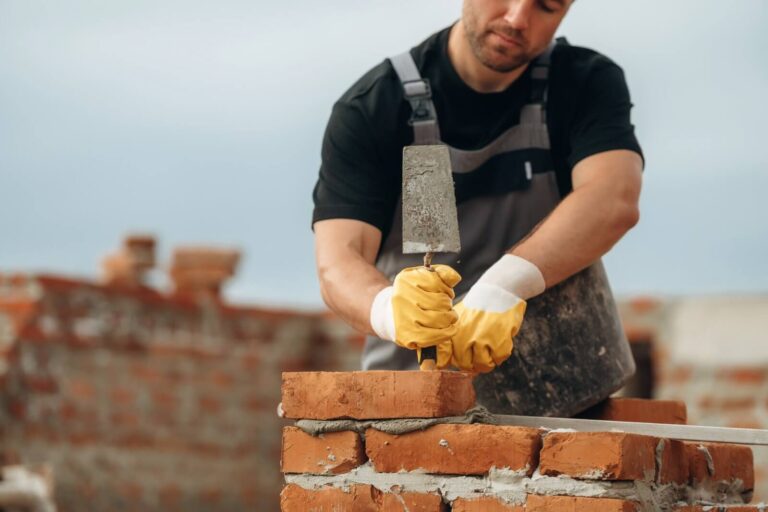
- Raking Out Old Mortar: First, the old, damaged mortar is carefully removed from the joints. This is done with specialized tools to avoid damaging the bricks themselves. We grind out damaged mortar about 3/4 inch deep. The goal here is to get a clean surface for the new mortar to bond to.
- Cleaning the Joints: After removing the old material, the joints are thoroughly cleaned. This usually involves flushing them with water to get rid of all dust and debris. A clean joint is super important for the new mortar to stick properly.
- Mixing New Mortar: The new mortar is mixed on-site. It’s really important that the mortar matches the strength and color of the original mortar. We mix mortar to match the strength of original 1920s Chicago brickwork, for example. Getting the mix right is key for durability and appearance.
- Applying New Mortar: The new mortar is then packed into the joints. This is done in thin layers to make sure there are no air pockets or voids. Joints get filled in thin layers to pack mortar completely without voids. This ensures a solid, watertight seal.
- Tooling the Joints: Once the mortar is in place, the joints are
Comprehensive Masonry Restoration Services
What is Masonry Restoration?
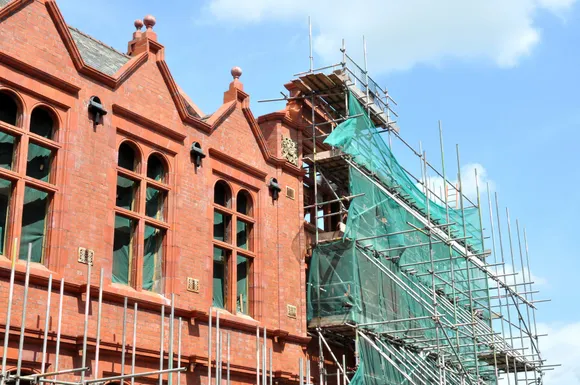
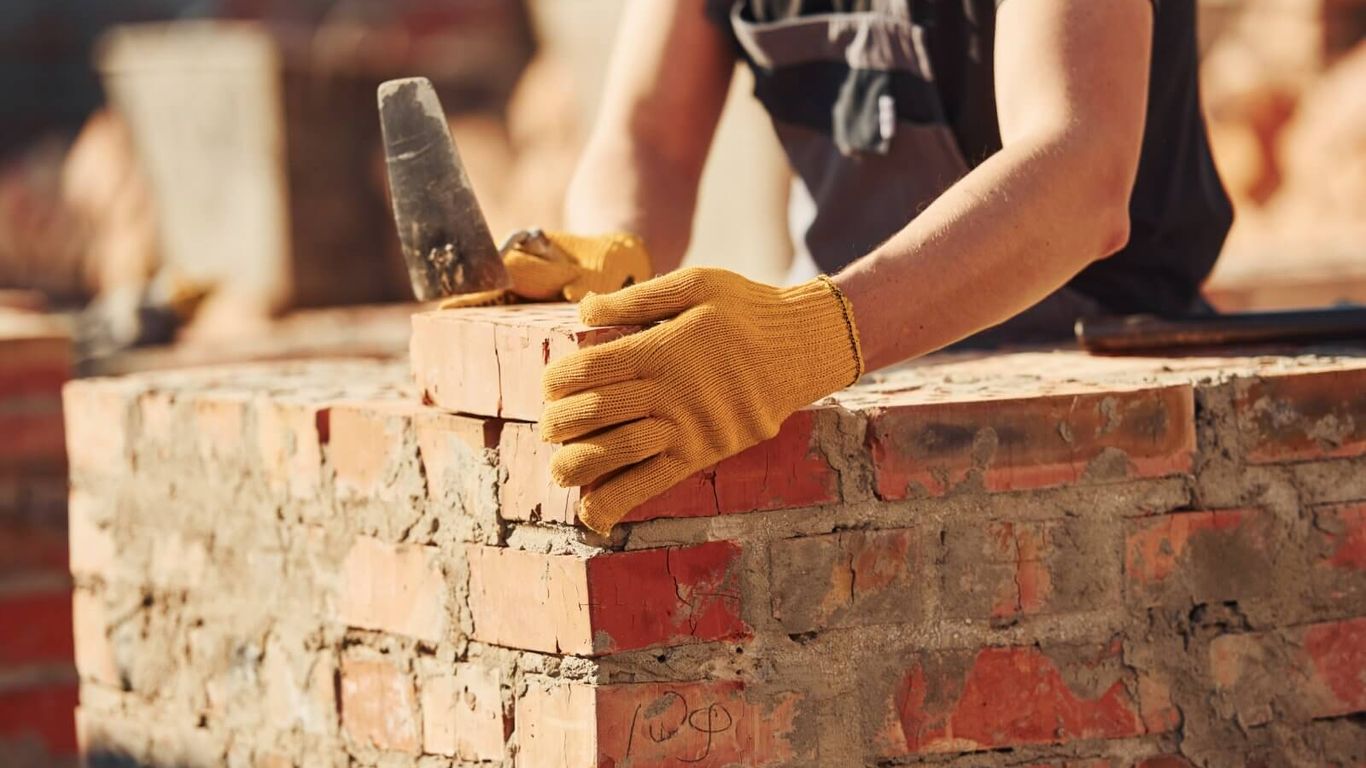
Masonry restoration is more than just patching things up; it’s about bringing old brick and stone back to life, making it look and perform like it did when it was first built. This is super important for older buildings, especially historic ones, where keeping that original look and making sure it lasts for ages is the main goal. It’s a detailed process that requires a good eye and the right know-how.
Services Included in Masonry Restoration
Restoration projects can involve a bunch of different tasks to get everything looking tip-top and structurally sound. Here’s a breakdown of what you can expect:
- Cleaning: Getting rid of dirt, stains, and any weird growth that’s accumulated over the years. This can involve pressure washing or special chemical treatments.
- Repointing: This is where we carefully remove old, worn-out mortar and replace it with new material that matches the original as closely as possible. It’s a lot like tuckpointing, but often with a focus on historical accuracy.
- Repair or Replacement: Fixing or swapping out bricks or stones that are cracked, chipped, or just plain missing. Sometimes decorative elements need special attention too.
- Structural Stabilization: Making sure walls and other masonry features are solid and won’t shift or crumble. This is key for safety and longevity.
- Protective Sealing: Applying special coatings to shield the masonry from water, pollution, and general wear and tear. This helps prevent future damage.
Benefits of Masonry Restoration
Why go through the trouble of restoration? Well, the payoff is pretty significant. Restoring your masonry not only makes your building look fantastic but also protects your investment for the long haul.
- Preserves Historic Character: It keeps the original look and feel of older buildings intact, which is often a big deal for their value and appeal.
- Extends Building Lifespan: By fixing issues and protecting the materials, you’re making the building last much longer, avoiding bigger problems down the road.
- Improves Property Value: A well-restored building just looks better and is more attractive to potential buyers or tenants. It shows you care about the property.
- Enhances Safety: Addressing structural weaknesses and water damage makes the building safer for everyone inside and out.
Masonry restoration is a specialized field that requires a deep understanding of historical building techniques and materials. It’s not just about making things look good; it’s about preserving history and ensuring structural integrity for future generations. Getting it right means choosing professionals who respect the past while using modern techniques to ensure durability.
Addressing Specific Masonry Repair Needs
Sometimes, a building doesn’t need a full overhaul, but rather some targeted fixes. That’s where specific masonry repair comes in. It’s all about pinpointing and fixing individual problems before they get bigger and more expensive to deal with. Think of it like going to the dentist for a cavity versus needing a root canal – you want to catch it early.
What is Masonry Repair?
Masonry repair is basically the process of fixing specific damage to brick, stone, or mortar. It’s not about making the whole building look brand new, but rather about stopping current problems and making sure things are safe and functional again. It’s a practical approach to keep your building in good shape.
Common Masonry Repair Services
There are a few common things we see that fall under masonry repair:
- Filling cracks and holes: Whether it’s in a wall, chimney, or even a decorative element, we can fill these gaps to stop water from getting in.
- Replacing damaged bricks or stones: If a brick is chipped or a stone is loose, we can swap it out with a new one that matches the existing material.
- Tuckpointing: This is a big one, as you’ve probably gathered from the rest of this guide. It’s about repairing those worn-out mortar joints.
- Water damage fixes: If water has been getting in through bad joints or cracks, we can repair the damage and figure out how to stop it from happening again.
When to Choose Repair Over Restoration
So, when do you go for repair instead of a full restoration? Generally, if the damage is localized and the overall structure is still sound, repair is the way to go. It’s more cost-effective for smaller issues. Restoration, on the other hand, is usually for older buildings or when there’s widespread deterioration that affects the entire structure’s integrity and appearance. If you’re noticing things like crumbling mortar or gaps wider than an eighth of an inch between bricks, it’s a good sign that water damage might be starting, and it’s time to consider repairs before it gets worse.
Repair is about fixing what’s broken right now. Restoration is about bringing something back to its former glory, often with a focus on historical accuracy and widespread improvement. Both are important, but they serve different needs.
Specialized Masonry Services for Structural Integrity
When we talk about keeping a building solid and safe, we’re really talking about its bones – the structural parts. For brick and stone buildings, this means paying close attention to things like lintels, parapet walls, and the main load-bearing masonry. These aren’t just decorative bits; they’re what hold everything up. If they start to fail, it’s not just an eyesore, it’s a serious safety concern that needs professional attention.
Structural Masonry Repair Essentials
Structural repairs focus on the parts of your building that carry weight and keep everything stable. Think of steel lintels above windows and doors. Over time, these can rust and expand, pushing against the brickwork and causing cracks. Parapet walls, those short walls along the edge of a roof, can also deteriorate, leading to leaks and potential collapse. Addressing these issues involves more than just patching. It often means replacing corroded steel, rebuilding failing walls, and using strong, appropriate materials that can handle the load.
Here’s a breakdown of what’s involved:
- Lintel Replacement: Old steel lintels are removed and replaced with new ones, often with improved coatings to resist rust. Sometimes, structural reinforcement is added.
- Parapet Wall Rebuilding: Damaged sections are carefully dismantled and rebuilt, ensuring proper drainage and structural ties to the main building.
- Load-Bearing Wall Repair: Cracks in key structural brickwork are repaired using specialized techniques and materials to restore their strength.
- Material Selection: Using the right type of mortar and reinforcement is key. We follow industry standards to make sure the repairs last.
Preventative Maintenance for Structural Elements
It’s always better to catch problems early. Regular check-ups on your building’s structural elements can save you a lot of headaches and money down the line. This means having a professional look at your lintels, parapets, and main walls periodically. They can spot early signs of rust, cracking, or shifting before they become big, expensive issues. Think of it like getting an oil change for your car – it keeps things running smoothly and prevents major breakdowns. A good maintenance plan might include:
- Scheduled Inspections: Annual or bi-annual checks of all critical structural masonry.
- Minor Repairs: Fixing small cracks or applying protective coatings before they worsen.
- Cleaning and Sealing: Keeping surfaces clean and properly sealed can prevent moisture damage.
Proactive care is the most cost-effective way to maintain a building’s structural integrity. Small issues, when ignored, can quickly escalate into major safety hazards and require extensive, costly repairs. Regular inspections and timely interventions are vital for the long-term health of any masonry structure.
Emergency Structural Repair Services
Sometimes, despite our best efforts, structural problems happen unexpectedly. A severe storm, a sudden foundation shift, or even accidental damage can compromise a building’s stability. In these situations, quick action is critical. You need a team that can respond fast to stabilize the situation, assess the damage, and implement permanent repairs. This might involve temporary supports to prevent further collapse while permanent solutions are planned and executed. Getting professional brick repair services quickly can make a huge difference in preventing further damage and ensuring everyone’s safety. We work with engineers when needed to make sure all emergency repairs meet code and are built to last.
Beyond Tuckpointing: Additional Masonry Solutions
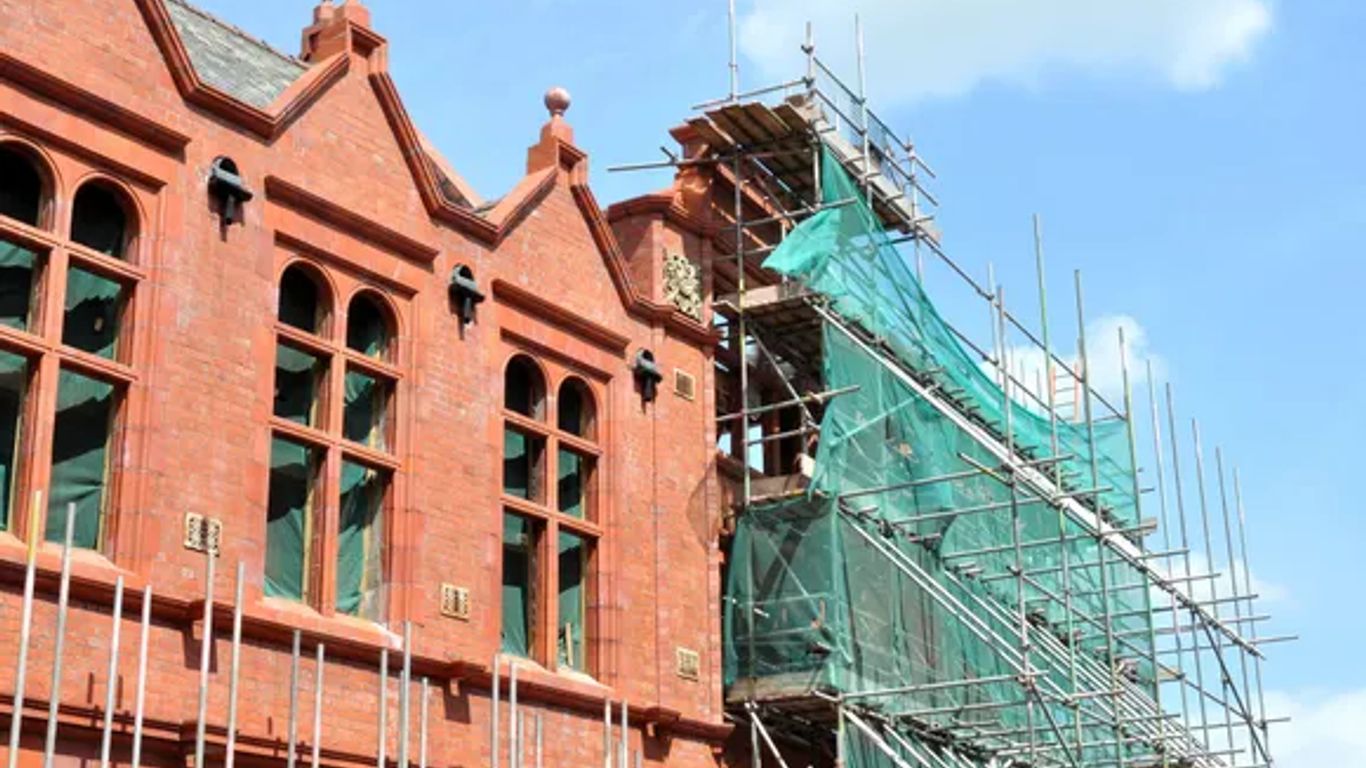
Tuckpointing is a fantastic way to fix up mortar joints, but sometimes your building needs a bit more attention. Think of it like this: tuckpointing is like getting a really good haircut, but what if you also need to fix a leaky roof or a cracked foundation? That’s where these other services come in. They tackle bigger issues that keep your whole structure sound and looking good.
Chimney Repair and Maintenance
Your chimney works hard, dealing with fire, smoke, and all sorts of weather. Over time, this takes a toll. Mortar can crumble, bricks can crack, and the chimney cap might get damaged. If you notice crumbling mortar, gaps between bricks, or water stains around the chimney, it’s time to get it checked out. Ignoring these signs can lead to bigger problems, like water getting into your home or even structural damage to the chimney itself. Regular maintenance, like tuckpointing the joints and making sure the cap is secure, can save you a lot of headaches and money down the road. It’s all about keeping that chimney safe and working right.
Stone Masonry Repair Expertise
Stone buildings have a unique charm, but stone can also be tricky to repair. Unlike bricks, stones are often irregular, and finding matching replacements can be a challenge. We handle all sorts of stone issues, from loose or cracked stones to crumbling mortar between them. Our team knows how to work with different types of stone, making sure repairs blend in and keep the original look of your building. Whether it’s a historic stone wall or a modern stone facade, we’ve got the skills to fix it up right.
Parapet Wall and Lintel Repair
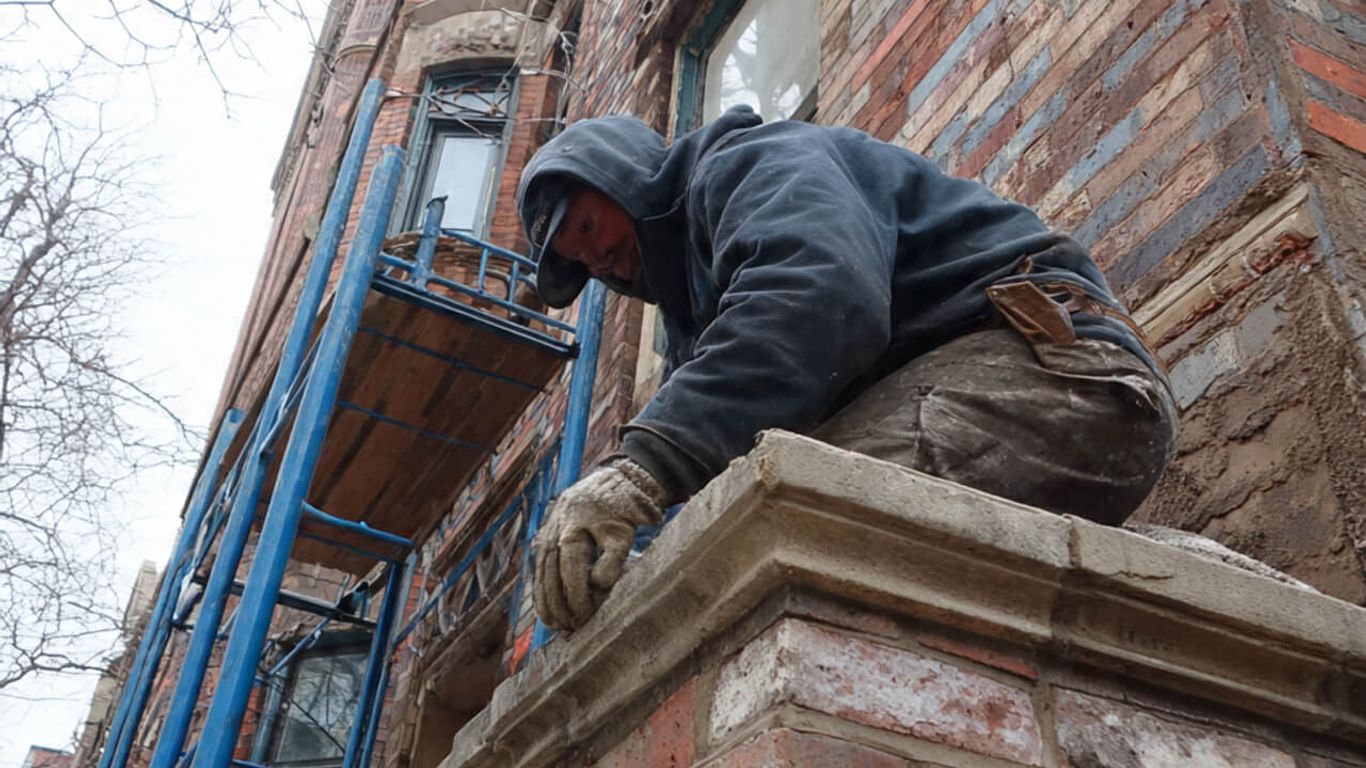
Parapet walls are those short walls that run along the edge of a roof. They might not seem like much, but they play a big role in keeping water out and protecting your roofline. When they start to crack or the mortar fails, water can get in and cause serious damage. We can rebuild and stabilize these walls to keep them strong. Lintels, on the other hand, are the beams above your windows and doors that hold up the brickwork. If they start to rust or sag, you’ll see cracks forming in the wall above. Replacing a failing lintel is a serious job that restores the structural support and prevents further damage. These repairs are super important for the overall health of your building.
Addressing issues like failing parapet walls and corroded lintels is not just about aesthetics; it’s about preventing water intrusion and structural compromise. These elements are critical for the long-term stability and safety of your property, and prompt attention can avert more significant and costly repairs later on.
Beyond just fixing cracks, we offer a full range of masonry services to keep your building strong and looking great. From structural fixes to making sure your building meets all rules, we handle it all. Need help with your masonry project? Visit our website to see how we can help.
Wrapping It Up
So, there you have it. Tuckpointing might seem like a small detail, but it’s a pretty big deal for keeping your brick buildings looking good and standing strong. We’ve gone over why it’s important, how to spot problems, and what goes into getting it done right. Remember, taking care of those mortar joints isn’t just about looks; it’s about protecting your property from weather and wear. If you’re seeing cracks or crumbling mortar, don’t wait too long. Getting a professional to take a look can save you a lot of headaches and money down the road. It’s a solid investment in your home or building’s future.
Frequently Asked Questions
What exactly is tuckpointing, and why does my building need it?
Tuckpointing is like giving your brick walls a fresh, strong hug! It’s a way to fix the old, crumbly stuff (called mortar) that holds your bricks together. Over time, this mortar can break down, letting in water and making your building weak. We carefully remove the old, damaged mortar and replace it with new, strong mortar that matches the color of your bricks. This keeps water out, makes your building look great, and helps it last much longer.
How can I tell if my building’s mortar is starting to fail?
Look closely at your brick walls! If you see mortar that looks like sand or crumbles when you touch it, that’s a sign. Also, check for small gaps or cracks between the bricks, especially if they’re wider than an eighth of an inch. Sometimes, you might see a white powdery stuff on the bricks, which means water is getting in. If you see any of these things, it’s a good idea to get it checked out before it causes bigger problems.
What’s the difference between masonry repair and masonry restoration?
Think of it like this: masonry repair is like fixing a specific problem, such as patching a hole or replacing a few loose bricks. It’s a targeted fix to stop damage. Masonry restoration is a bigger job; it’s like giving your whole brick or stone surface a complete makeover. It aims to bring back the original look and strength of older buildings, often using special techniques and materials to keep things historically accurate.
What does the tuckpointing process involve?
It’s a careful, step-by-step process. First, we gently remove the old, damaged mortar from the joints between the bricks. Then, we clean out all the dust and debris. Next, we mix new mortar that perfectly matches the color of your existing mortar. We carefully pack this new mortar into the joints, making sure there are no empty spaces. Finally, we shape the new mortar so it looks neat and helps water run off the wall. We make sure everything is done neatly and safely.
How do I prepare my property for tuckpointing work?
Getting ready is simple! Just move any furniture, plants, or decorations away from the walls we’ll be working on, usually about 10 feet. This helps protect your belongings from dust. If you have bushes right next to the wall, trimming them back a bit can help us reach the damaged areas better. Letting your neighbors know about potential noise or dust is also a nice touch. We’ll take care of protecting windows and other surfaces.
How can I be sure the tuckpointing job was done right?
After the work is finished, take a good look. The new mortar should fill the joints completely, with no gaps or holes you can see. The color should blend in nicely with the rest of your brickwork, looking uniform all over. The lines of the mortar joints should be neat and consistent. Also, the bricks themselves should be clean, with no messy mortar smears left behind. These signs show that skilled professionals did the job carefully.