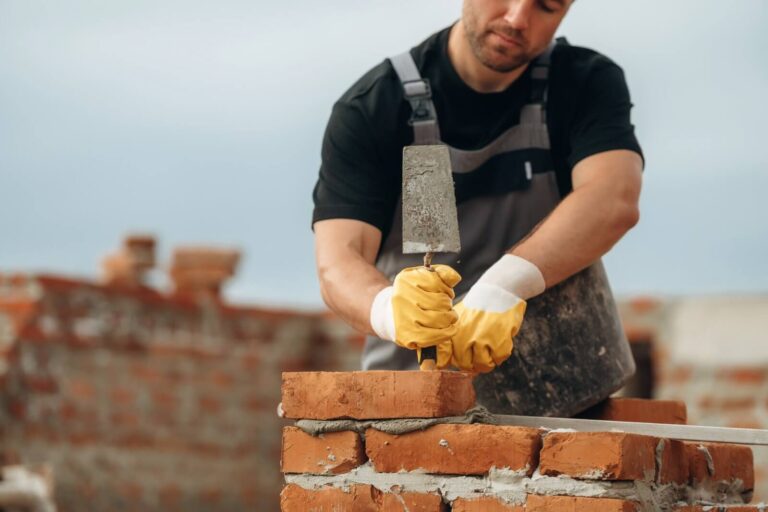
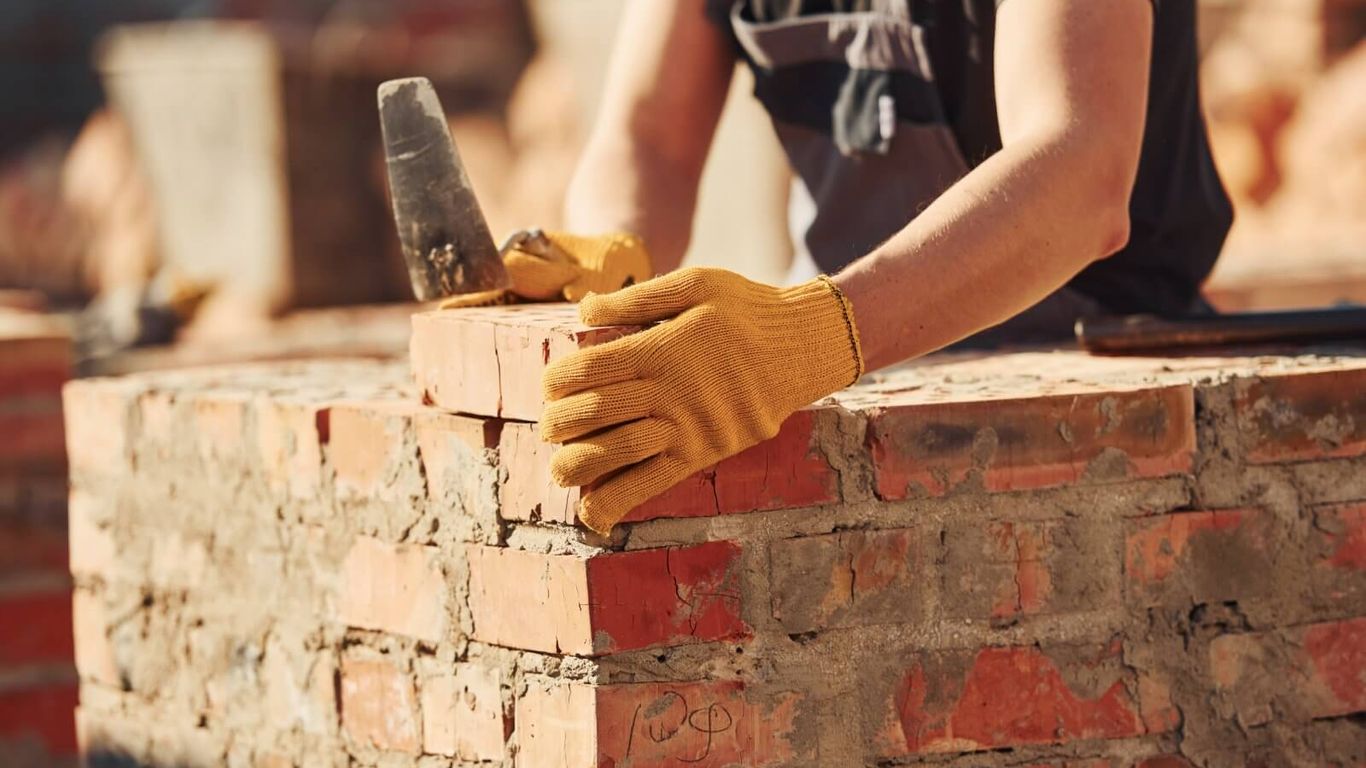
Thinking about getting your brickwork fixed up? It’s easy to put off, but letting your mortar crumble can lead to bigger problems down the road. This guide is here to help you figure out when your house needs a little attention and how to find someone good to do the job. We’ll cover what to look for, what questions to ask, and what the whole process is like, so you can get your walls looking solid and neat again. Finding reliable brick repointing near me doesn’t have to be a headache.
Key Takeaways
- Repointing is important for keeping your building strong and preventing water damage.
- Look for cracked or crumbling mortar, and stains on your bricks as signs you need help.
- Finding good professionals means checking reviews and asking questions about their work.
- The repointing job involves removing old stuff, cleaning up, and putting in new mortar.
- Picking the right mortar color and type matters for how your house looks and how well it holds up.
Understanding The Importance Of Brick Repointing
Why Repointing Is Crucial For Structural Integrity
Think of the mortar between your bricks like the glue holding a puzzle together. It’s not just there to make things look nice; it’s a key part of your building’s strength. When that mortar starts to crumble or break away, it weakens the whole wall. This isn’t just about looks, it’s about keeping your house standing solid for years to come. Weakened mortar can lead to bigger problems down the line, like water getting into your walls and causing damage. It’s like ignoring a small leak in your roof – it might seem minor now, but it can turn into a major headache.
Signs Your Bricks Need Professional Attention
So, how do you know if your brickwork is sending out an SOS? Keep an eye out for a few tell-tale signs. You might see the mortar crumbling away, leaving little gaps. Sometimes, it looks like a white, powdery substance on the bricks, which is called efflorescence – it means moisture is moving through the wall. You could also notice the mortar looking softer than it should, or maybe even bits of it falling out onto the ground. If you see any of these things, it’s probably time to get a professional to take a look. It’s better to catch these issues early, like when you’re addressing aging mortar.
Here are some common indicators:
- Mortar is flaking, crumbling, or turning to powder.
- Joints have visible holes or gaps where mortar used to be.
- Bricks appear loose or wobbly.
- White, powdery stains (efflorescence) are present on the brick surface.
- Water is pooling near the foundation or seeping into the walls.
The Long-Term Benefits Of Timely Repointing
Getting your brickwork repointed when it needs it isn’t just a quick fix; it’s an investment in your property. For starters, it stops small problems from becoming huge, expensive ones. A properly repointed wall is a strong wall, better able to handle weather and the test of time. This means fewer repairs later on, saving you money. Plus, it makes your house look a whole lot better. Curb appeal matters, and well-maintained brickwork really makes a house stand out. It also helps keep your home energy efficient by preventing drafts that can sneak in through damaged mortar.
Repointing is more than just cosmetic. It’s about protecting the structural integrity of your home and preventing costly damage from weather and time. Addressing these issues proactively saves money and headaches in the long run, while also keeping your property looking its best.
When you take care of your brickwork, you’re also taking care of your home’s value. It’s a win-win, really. If you’re unsure about the condition of your bricks, it’s always a good idea to get a professional opinion. You can often find local services by searching online.
Locating Skilled Brick Repointing Professionals
Finding someone good to fix up your brickwork can feel like a treasure hunt, right? You want someone who knows their stuff, not just someone who can slap some mortar around. Getting the right professional is key to making sure the job is done right the first time.
How To Find Reputable Brick Repointing Near Me
So, where do you even start looking? Your neighbors are often a great resource. Ask around – did anyone recently have their chimney or a section of their wall repointed? Word-of-mouth recommendations are usually pretty solid. Online searches are also a go-to, but you’ll need to sift through the results. Look for companies that specialize in masonry repair, not just general contractors. Sometimes, local hardware stores or masonry supply yards might have a list of contractors they trust.
Vetting Local Repointing Contractors
Once you have a few names, it’s time to do a little digging. Check out their websites. Do they have photos of past work? Do they talk about their experience with different types of brick and mortar? It’s also a good idea to look for online reviews, but take them with a grain of salt. A few bad reviews don’t always mean they’re bad, but a pattern of complaints is a red flag. You want to see a history of happy customers. Companies like Brickfixers often showcase their projects online, giving you a good sense of their quality.
Questions To Ask Potential Service Providers
When you call up a contractor, have a list of questions ready. It helps keep things organized and makes sure you get all the information you need. Here are some things to ask:
- How long have you been doing brick repointing specifically?
- Can you provide references from recent jobs?
- What kind of warranty or guarantee do you offer on your work?
- Are you licensed and insured? (This is a big one!)
- Do you have experience with historic brickwork if that applies to your home?
Don’t be afraid to ask for details about their process. A good contractor will be happy to explain what they plan to do and why. They should be able to talk about the materials they use and how they’ll protect your property during the work.
It’s also smart to get at least three different estimates. This helps you compare pricing and see who seems to understand your project best. Remember, the cheapest option isn’t always the best. You’re looking for a balance of fair price and proven skill. For example, On It Roofing and TuckPointing might be a company to consider if they serve your area and specialize in this type of work.
The Brick Repointing Process Explained
So, you’ve decided your brickwork needs a little TLC. That’s great! But what actually goes into repointing? It’s not just slapping some new goo into the cracks. There’s a method to the madness, and understanding it helps you appreciate the work involved and what to expect. It’s a careful, multi-step job that requires patience and the right technique.
Preparing The Area For Repointing
Before any new mortar touches your walls, the area needs to be prepped. This means cleaning up the existing brick and mortar joints. We’re talking about getting rid of loose bits, dirt, and anything else that might stop the new mortar from sticking properly. Sometimes, this involves a gentle brushing or even a light power wash, but you have to be careful not to damage the bricks themselves. It’s all about creating a clean slate.
Mortar Removal And Joint Preparation
This is where the real work begins. The old, crumbling mortar has to come out. Professionals use specialized tools, like grinders with diamond blades or small chisels, to carefully remove the deteriorated mortar from the joints. They don’t just hack away; they aim to remove it to a specific depth, usually about twice the width of the joint or until they hit sound mortar. This ensures the new mortar has a solid base to bond with. It’s a dusty, noisy job, but super important for the final result. Getting this right is key to a lasting repair, and following a structured approach with six key steps can lead to a successful outcome.
Applying New Mortar For Durability
Once the joints are clean and ready, it’s time for the new mortar. It’s mixed to the right consistency – not too wet, not too dry. Then, it’s packed into the prepared joints using special tools, often called tuckpointing trowels. The goal is to fill the joint completely, without leaving any air pockets. After the mortar is in place, the joints are finished to match the original profile, whether that’s a flat joint, a raked joint, or something else. This finishing step not only makes it look good but also helps shed water away from the wall. The entire process involves eight key steps, from cleaning to final curing, all aimed at strengthening the wall and protecting it from the elements.
Choosing The Right Mortar For Your Project
Picking the correct mortar mix is a big deal when you’re getting your bricks repointed. It’s not just about filling gaps; it’s about making sure the repair lasts and looks right with the rest of your house. Get it wrong, and you could end up with more problems down the road.
Understanding Different Mortar Types
Mortar isn’t just one thing. It’s usually a mix of cement, lime, and sand, but the proportions change everything. You’ll hear about different types, often labeled with letters like N, S, O, and M. These aren’t random; they tell you about the strength and flexibility of the mix.
- Type N: This is a pretty common choice for many homes. It’s got a good balance of lime and cement, making it flexible enough to handle some movement in the walls without cracking. It’s generally recommended for above-grade, exterior walls that aren’t carrying heavy loads. You can find more about mortar mixes for tuckpointing if you want to get into the specifics.
- Type S: This one is stronger than Type N and has less lime. It’s good for situations where the wall needs more support, like below grade or in areas with high winds. It’s less flexible, though.
- Type O: This is a softer, more workable mortar. It’s often used for historic buildings where you need to match the original materials very closely and the structure doesn’t require a lot of strength from the mortar itself.
- Type M: This is the strongest and stiffest mortar. It’s usually reserved for heavy-duty applications, like foundations or chimneys that take a lot of stress. It’s not typically used for general repointing on a house.
Matching Mortar To Existing Brickwork
This is where things get a bit more technical, but it’s super important. You want the new mortar to be compatible with your old bricks and the existing mortar. If the new mortar is too hard or too soft compared to the brick, it can cause problems. The harder mortar can draw moisture away from the softer brick, leading to damage. Ideally, the mortar should be softer than the brick.
Think about the age of your house. Older homes often have softer bricks and lime-based mortars. Using a modern, hard cement mortar on these can actually damage the brick over time. A good repointing professional will be able to assess your existing masonry and recommend a mortar that’s a good match. For repairing crumbling masonry walls, Type N mortar is recommended because it’s more forgiving.
Color And Texture Considerations
Beyond strength and compatibility, you also want the repointed areas to look good. The color of the mortar is a big part of this. It’s made up of the sand and any pigments used. The sand’s color and grain size can really change the final look. Repointers can often mix custom colors to blend in with your existing mortar. They’ll usually show you samples to pick from.
Texture matters too. Is the old mortar smooth, or does it have a rougher finish? The new mortar should try to match this so the repair isn’t obvious. It’s all about making the repair blend in, not stand out like a sore thumb. You want it to look like the bricks have always been that way.
When selecting mortar, think about more than just filling the holes. Consider the strength needed, how it will interact with your existing bricks, and how the final color and texture will look. A professional will guide you through these choices to get the best result for your home’s longevity and appearance.
Cost Factors For Brick Repointing Services
So, you’re thinking about getting your brickwork fixed up? That’s smart. But before you call anyone, let’s talk about what goes into the price tag. It’s not just a simple number; a few things can really change how much you’ll end up paying.
Estimating The Expense Of Repointing
Figuring out the cost of repointing isn’t always straightforward. You’ve got to consider the size of the job, how bad the damage is, and what kind of materials you’ll need. For example, a small patch on a garden wall will be way less than redoing the entire facade of your house. The overall square footage needing attention is usually the biggest driver of cost. It’s like painting a room versus painting a whole building – the scale matters a lot.
Factors Influencing Project Pricing
Several things can bump the price up or down. The height of the area needing work is a big one; working on a second story or a tall chimney is more difficult and requires more safety gear, so it costs more. The type of brick and the original mortar also play a role. If the old mortar is really hard to get out, or if you need a special mix to match existing bricks, that adds time and expense. Accessibility is another point – if the crew can’t easily get their equipment to the spot, that can increase labor costs. Some areas might charge around $10 to $25 per square foot for exterior walls, but chimneys can be a whole different ballgame, sometimes costing $800 to $3,000 depending on their size [200d].
Getting Accurate Quotes For Repointing Near Me
To get a good idea of what you’ll pay, you really need to get a few quotes from different local contractors. Don’t just go with the first one you find. Ask them to break down their estimate so you know exactly what you’re paying for – labor, materials, cleanup, etc. It’s also a good idea to ask about their experience with projects similar to yours. Remember, professional brick repointing can last for decades, so while it might seem like a lot upfront, think of it as an investment in your home’s future [69cf].
When you’re getting quotes, make sure they’re detailed. A good contractor will list out the scope of work, the materials they plan to use, and any potential extra charges. This helps avoid surprises down the road and makes comparing offers much easier.
Here’s a quick look at some common cost influences:
- Scope of Work: How much area needs repointing?
- Height & Accessibility: Is it easy to reach?
- Mortar Type: Special mixes cost more.
- Brick Condition: How difficult is it to remove old mortar?
- Contractor’s Rates: Different companies charge differently.
Maintaining Your Repointed Brickwork
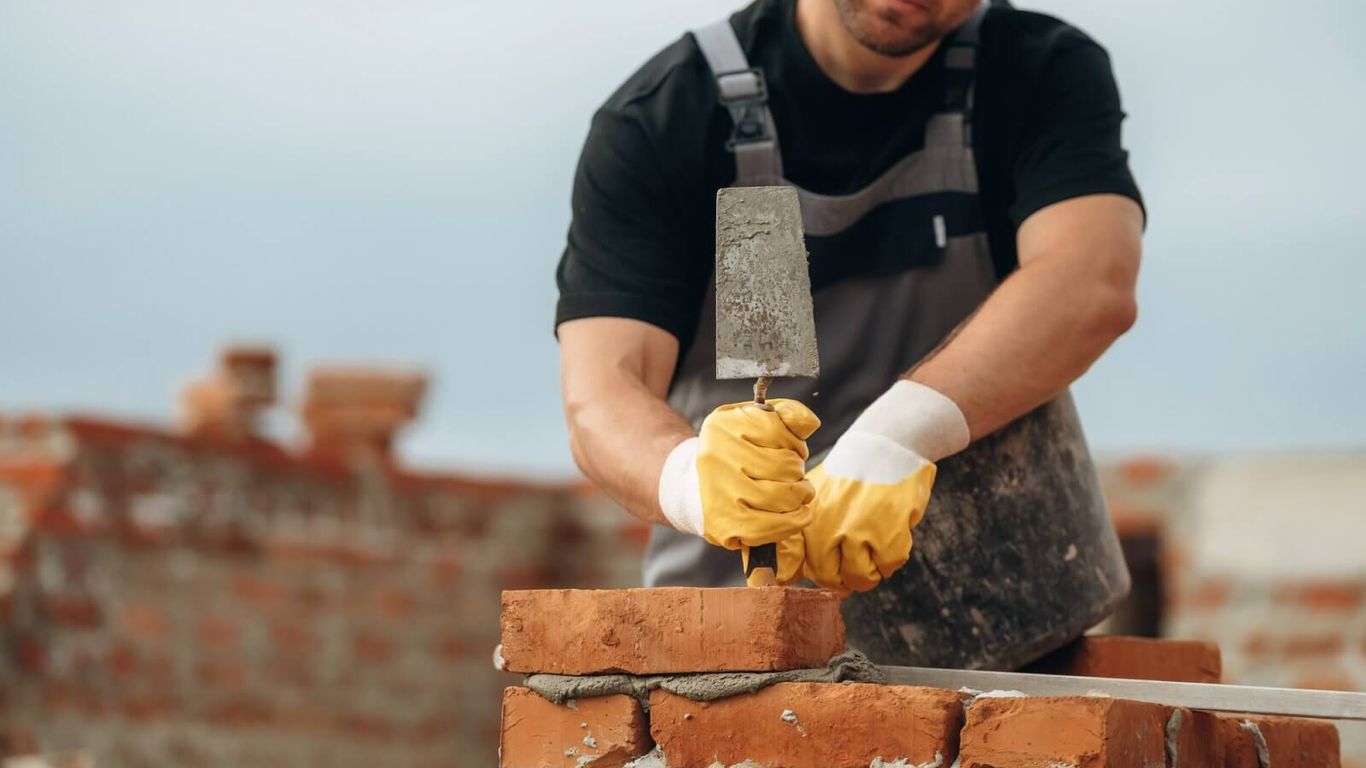
So, you’ve had your brickwork repointed, and it looks fantastic. That’s great! But the job isn’t quite done yet. Keeping that fresh mortar in good shape means your building stays protected for years to come. It’s not super complicated, but there are a few things to keep in mind.
Post-Repointing Care And Curing
After the new mortar is in, it needs time to really set and get strong. This curing process is pretty important. You don’t want to mess with it too much right away. For the first few days, try to keep the area dry. Heavy rain can wash out the surface if it hasn’t hardened enough. If you’re expecting a downpour, maybe throw a tarp over the freshly repointed sections, but make sure there’s some air circulation so it can dry properly. The mortar actually gets stronger over time as it cures, so patience is key here.
Preventative Measures For Brick Longevity
Once the mortar has cured, you can start thinking about keeping it that way. One of the best things you can do is to keep an eye on your brickwork. Look for any new cracks, loose bits, or signs of water damage. Addressing small issues early stops them from becoming big, expensive problems later on. You might also consider resealing your brick exteriors every few years. This adds an extra layer of protection against the weather, especially if you live somewhere with harsh winters or lots of rain. It helps keep water from getting into the mortar joints and causing damage.
Here are some simple steps to help:
- Check your brickwork at least twice a year, maybe in the spring and fall.
- Gently clean off any dirt or grime that builds up. Avoid harsh chemicals or pressure washers, as these can damage the new mortar.
- Trim back any plants or vines growing too close to the brick. Their roots can push into the mortar and cause problems.
Keeping your brickwork in good shape after repointing isn’t a one-time fix. It’s about regular checks and simple upkeep. Think of it like maintaining a car – a little attention now saves a lot of trouble later.
When To Schedule Future Inspections
Even with good care, brickwork ages. It’s a good idea to have a professional take a look every so often. They can spot things you might miss. Generally, a professional inspection every 5 to 10 years is a good rule of thumb. However, if you notice any of the signs that led you to get the initial repointing done – like crumbling mortar, cracks, or water stains – don’t wait for your scheduled inspection. Get it checked out sooner rather than later. Early detection is your best friend when it comes to protecting your home’s structure.
Wrapping It Up
So, that’s the lowdown on getting your brickwork fixed up in 2026. Finding someone good for repointing might seem like a chore, but it’s really worth the effort. A solid job means your house stays protected and looks good for years to come. Don’t put it off too long, especially if you’re seeing crumbling mortar. Take your time, check out a few local pros, and get those quotes. Your home will thank you for it, trust me.
Frequently Asked Questions
Why is fixing my brick walls so important?
Think of the mortar between your bricks like the glue holding a puzzle together. When it crumbles, water can get in, causing damage and making your walls weak. Fixing it keeps your house strong and safe.
How can I tell if my bricks need repair?
Look for cracks in the mortar, bits of it falling out, or if the mortar feels soft and crumbly when you touch it. Sometimes, you might see white powdery stuff on the bricks, which is a sign of trouble too.
What happens if I don’t fix my bricks?
Ignoring the problem means more water damage, which can lead to bigger, more expensive repairs down the road. Your walls could become unstable, and it might even affect your home’s value.
How do I find good brick repair people?
Ask friends or neighbors for recommendations. Look for companies with good reviews online and check if they have experience with brick repair. It’s smart to get a few opinions before you choose.
What’s the process for fixing brick walls?
First, workers carefully remove the old, damaged mortar. Then, they clean the spaces between the bricks. Finally, they mix and carefully pack in new mortar, making sure it matches the old look as much as possible.
How much does it usually cost to fix brick walls?
The price can change a lot depending on how big the job is, how high up the bricks are, and the type of mortar needed. Getting a few detailed price estimates from different companies will give you the best idea.