Your chimney works hard, but sometimes it needs a little help. That flashing stuff around it? It’s super important for keeping water out. If it’s not doing its job, water can sneak in and cause all sorts of problems, from messy stains inside your house to serious damage to the structure itself. We’re going to talk about why keeping that flashing in good shape is a big deal for protecting your home.
Key Takeaways
- Properly installed and maintained chimney flashing is key to preventing water from getting into your home.
- Signs of failing flashing include water stains, mold, or visible damage around the chimney base.
- Water intrusion can damage masonry, cause interior leaks, and lead to costly structural problems.
- Professional chimney flashing repair uses durable materials and techniques to create a watertight seal.
- Regular chimney inspections and maintenance, including checking flashing, are vital for long-term home protection.
Understanding Chimney Flashing Repair
The Crucial Role of Chimney Flashing
Think of your chimney flashing as the first line of defense against water getting into your home where the chimney meets the roof. It’s usually made of metal, like aluminum, copper, or galvanized steel, and it’s installed in pieces around the base of the chimney. Its main job is to direct rainwater and snowmelt away from this vulnerable spot, preventing it from seeping into your roof structure or the chimney itself. Without proper flashing, that joint between your chimney and roof is basically an open invitation for water damage. This metal barrier is absolutely vital for keeping your home dry and protected.
Common Signs of Chimney Flashing Failure
So, how do you know if your chimney flashing is starting to fail? Keep an eye out for a few tell-tale signs. You might notice water stains on your ceiling or walls, especially near the fireplace or chimney. Inside the fireplace, you could see creosote or soot that looks wet or is dripping. On the exterior, look for rust on the flashing itself, or notice if the metal pieces are loose, bent, or pulling away from the chimney or roof. Sometimes, you might even see small plants or moss growing in the cracks around the chimney base, which is a sure sign that water is getting in and staying there. If you see any of these things, it’s time to pay attention.
Here are some common indicators:
- Water stains on interior ceilings or walls.
- Rust or corrosion on the metal flashing.
- Loose, bent, or missing flashing pieces.
- Damp or wet creosote inside the fireplace.
- Mold or mildew growth around the chimney base.
Why Prompt Chimney Flashing Repair is Essential
Ignoring flashing problems is a recipe for disaster. Water intrusion doesn’t just cause minor inconvenience; it can lead to serious structural damage over time. Think about mold growth, rotting wood in your attic or roof structure, and even damage to the chimney masonry itself. These issues can become incredibly expensive to fix if they’re left unchecked. Addressing flashing problems quickly means preventing a small leak from turning into a major, costly repair job. It’s about protecting the integrity of your home and avoiding much bigger headaches down the road. Getting it fixed early saves you money and keeps your home safe and sound. For more on preventing water damage, check out expert advice on preventing water damage.
Water that gets past failing flashing can travel quite a distance within your home’s structure before it becomes visible, making the initial source of the leak harder to pinpoint later on. This hidden damage can compromise insulation, weaken wooden beams, and create an environment ripe for mold and mildew.
The Impact of Water Intrusion
How Water Damages Masonry and Structures
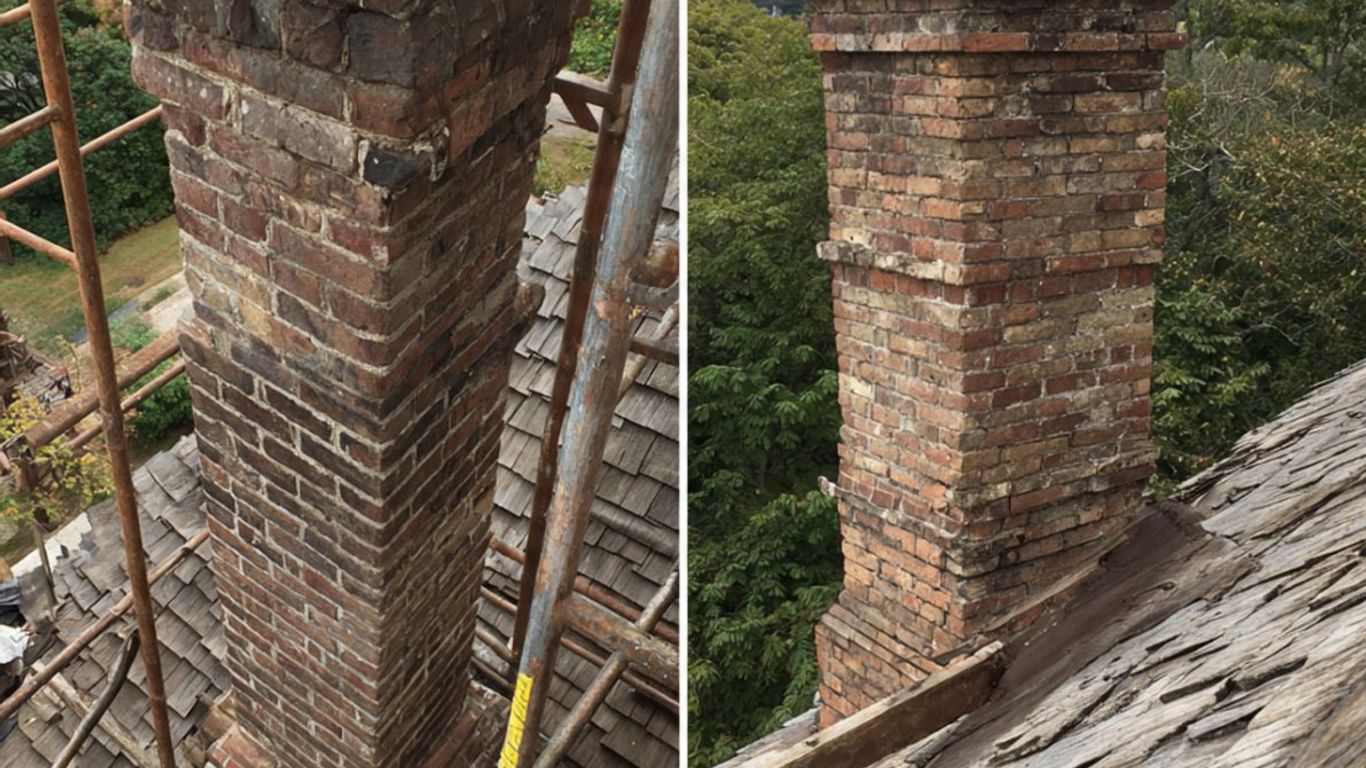
Water might seem harmless, but when it gets into your chimney system, it can cause a surprising amount of trouble. Think about it: rain, snow, ice – it all adds up. This moisture can seep into the mortar between your bricks. Over time, this can make the mortar crumble, almost like sand. You might even see white powdery stuff on the bricks, which is a sign water is getting through. If you have cracks in the mortar, they can get bigger, especially when water freezes and expands inside them during the winter. This freeze-thaw cycle is really tough on masonry. It can cause bricks to crack or even break apart. The constant presence of water can also lead to rust on metal components, like the flashing or any metal supports, weakening them over time.
Preventing Interior Water Damage
When water finds its way into your chimney structure, it doesn’t just stay there. It can travel down into your house. You might start noticing damp spots on your ceiling or walls near the chimney. Sometimes, it can even lead to mold growth, which is definitely not good for your health or your home’s air quality. Leaks can also damage insulation in your attic or walls, making your home less energy-efficient. Addressing flashing issues promptly is key to avoiding these costly repairs and keeping your home dry and healthy.
Protecting Against Freeze-Thaw Cycles
Winter weather can be brutal on chimneys. When water gets into tiny cracks in the mortar or bricks, it freezes. As it freezes, it expands, pushing the masonry apart. Then, when it thaws, it contracts. This constant cycle of freezing and thawing can really break down your chimney over time. It’s like a slow-motion demolition. You might see more crumbling mortar or even bricks starting to bulge out or crack. This is why it’s so important to have good flashing and well-maintained mortar joints – they are the first line of defense against water getting in where it shouldn’t be, especially before the cold weather hits.
Professional Chimney Flashing Repair Services
When you notice water spots on your ceiling or dampness around your fireplace, it’s easy to panic. But often, the culprit isn’t a leaky roof, but rather issues with your chimney’s flashing. This metal or rubber barrier is key to keeping water out where the chimney meets the roof. If it’s damaged, loose, or improperly installed, water can sneak in.
Expert Assessment of Flashing Issues
Figuring out exactly what’s wrong with your flashing isn’t always straightforward. Sometimes it’s just a small tear, other times it might be corrosion or even that it wasn’t installed quite right in the first place. Our team takes a close look at the entire flashing system. We check for:
- Cracks or holes in the material.
- Signs of rust or corrosion, especially on metal flashing.
- Loose or lifted sections that aren’t sitting flush against the chimney and roof.
- Evidence of improper installation, like gaps or incorrect overlap.
- Damage to the surrounding shingles or masonry that might be contributing to leaks.
We’ll pinpoint the exact problem area so we know exactly what needs fixing. It’s about getting to the root cause, not just patching the symptom. You can get a general idea of what to look for, but a professional inspection is really the best way to know for sure. Valley Chimney Sweep LLC has the tools and experience to spot issues you might miss.
Durable Repair and Replacement Techniques
Once we know what we’re dealing with, we get to work. For minor damage, we might be able to repair the existing flashing. This could involve sealing small cracks or re-securing loose sections. However, if the flashing is significantly damaged, rusted through, or was poorly installed from the start, replacement is the better option. We use high-quality materials that are built to last, standing up to weather and time. Whether it’s a flexible membrane or a rigid metal flashing, we select the best type for your specific chimney and roof.
Ensuring a Watertight Seal
The goal is always a completely watertight seal. This means not only fixing or replacing the flashing itself but also making sure it integrates perfectly with your roof and chimney. We pay close attention to how the flashing overlaps with shingles and tucks into the chimney structure. This careful work prevents water from finding any tiny entry points. A properly sealed flashing system is your best defense against water damage, protecting your home’s interior and structure from costly repairs down the line. For reliable solutions, consider professional chimney flashing repair services in your area.
Water getting into your chimney system can cause a cascade of problems, from stained ceilings to compromised structural integrity. Addressing flashing issues promptly is a smart move to protect your home’s value and your peace of mind.
Beyond Flashing: Comprehensive Chimney Care
While fixing your chimney flashing is super important, it’s really just one piece of the puzzle when it comes to keeping your chimney in good shape. Think of it like this: you wouldn’t just patch a leaky roof without checking the gutters or the attic, right? Same idea applies here. A chimney is exposed to a lot, and other parts can wear out too, letting in water or just getting weak.
Tuckpointing Deteriorated Mortar Joints
Over time, the mortar holding your chimney bricks together can start to crumble. You might notice it looking like sand or powder, or maybe there are little gaps forming between the bricks. This isn’t just about looks; these gaps are like open doors for water. When water gets in and then freezes, it expands, pushing the bricks apart and making the problem worse. We call this tuckpointing when we carefully remove the old, bad mortar and replace it with new, strong stuff. It’s like giving your chimney a fresh, solid hug.
- Inspect for crumbling mortar: Gently touch the mortar between bricks. If it feels sandy or comes away easily, it needs attention.
- Check for gaps: Look for spaces larger than an eighth of an inch between bricks.
- Watch for water stains: Dark spots below joints can indicate moisture is getting in.
Chimney Cap Inspection and Repair
Your chimney cap is like the hat on your chimney. It’s supposed to keep rain, snow, and critters out. If it’s bent, rusted, or has holes, it’s not doing its job. A damaged cap can let water pour right into your chimney, causing all sorts of problems down the line. We check these caps for any damage and make sure they’re securely attached and doing their protective duty.
Masonry Waterproofing Solutions
Sometimes, even with good flashing and tuckpointing, the brick and mortar itself can soak up water like a sponge. This is especially true for older buildings or certain types of stone. Applying a masonry sealer is like giving your chimney a raincoat. It doesn’t change the look, but it stops water from penetrating the surface. This is a big help in preventing damage from freeze-thaw cycles and just general wear and tear. It’s a smart way to add an extra layer of protection to your home.
Protecting your chimney involves more than just one fix. It’s about looking at the whole system – the flashing, the mortar, the cap, and the masonry itself – to make sure everything works together to keep water out and your home safe.
Choosing the Right Experts for Chimney Repair
Experience in Masonry and Flashing
When it comes to your chimney, you don’t want just anyone working on it. You need folks who really know their stuff, especially when it comes to masonry and flashing. Think about it – flashing is that critical metal or rubber barrier that keeps water from sneaking in where the chimney meets your roof. If it’s not installed just right, or if it’s old and worn out, you’re asking for trouble. A good contractor will have a solid history of dealing with all sorts of flashing situations, from simple repairs to full replacements. They should be able to spot potential problems before they even start. It’s like finding a doctor who specializes in heart surgery; you want someone whose main gig is keeping chimneys watertight and structurally sound. Look for companies that have been around for a while and can show you examples of their work, maybe even talk to some past clients. It’s worth checking out chimney repair services in Cleveland, Ohio to see what kind of experience is out there.
Commitment to Quality Materials
It’s not just about the skill of the hands doing the work, but also about what they’re using. Cheap materials might save a few bucks upfront, but they won’t last. You want a team that uses durable flashing materials – think proper gauge metals that won’t rust out in a few years, or high-quality sealants that actually keep water out. They should be able to explain why they choose certain materials over others, based on your specific chimney and climate. It shows they’re thinking long-term about protecting your home, not just getting the job done quickly. A contractor who cuts corners on materials is probably cutting corners elsewhere too, and that’s not what you want when you’re trying to prevent water damage.
Preventative Maintenance Recommendations
An expert chimney repair service won’t just fix what’s broken; they’ll also help you keep it from breaking again. This means they should be able to give you solid advice on how to maintain your chimney and flashing system. Maybe it’s recommending regular inspections, suggesting how often the flashing should be checked, or pointing out other areas of your chimney that might need attention down the line. They should be looking at the whole picture, not just the immediate flashing issue. It’s about building a relationship where they help you keep your chimney in good shape for years to come. Think of it like getting advice from your mechanic on how to keep your car running smoothly between oil changes. They should be able to provide guidance specific to your situation, like the kind of advice you might find for residential chimney flashing restoration.
Choosing the right professionals means finding a team that combines technical skill with a genuine commitment to protecting your home. They should be transparent about their methods, materials, and offer advice that helps you avoid future problems. Don’t be afraid to ask questions; a good contractor will be happy to explain everything.
Here’s a quick rundown of what to look for:
- Proven Track Record: Ask for references or look for online reviews. How long have they been doing this specific type of work?
- Clear Communication: Do they explain the problem and the solution in a way you understand? Are they upfront about costs?
- Warranties: Do they stand behind their work with a warranty on both labor and materials?
- Proper Licensing and Insurance: This is non-negotiable for your protection.
- Local Knowledge: Do they understand the specific weather challenges in your area that can affect chimneys?
When it’s time to fix your chimney, picking the right pros is super important. You want folks who know their stuff and won’t cut corners. A good repair means a safer, warmer home. Don’t guess when it comes to your chimney; get the experts who can do the job right the first time. Visit our website to learn more about how we can help keep your chimney in top shape!
Don’t Let Small Problems Become Big Headaches
Look, dealing with your chimney might not be the most exciting thing you do all year, but it’s super important. Ignoring little issues with flashing or cracks can turn into major water damage and costly repairs down the road. Think of it like that leaky faucet you keep meaning to fix – eventually, it just gets worse. Getting a professional to check out your chimney flashing is a smart move. It saves you money in the long run and keeps your home safe and sound. So, if you’ve got any doubts, it’s probably best to call in the pros. They know what they’re doing, and you’ll get some peace of mind.
Frequently Asked Questions
What exactly is chimney flashing, and why is it so important?
Chimney flashing is like a protective shield made of metal or other materials. It’s installed where your chimney meets your roof. Its main job is to stop water from getting into your house through that spot. Think of it as a raincoat for your chimney’s connection to the roof, keeping water out and protecting your home’s structure.
How can I tell if my chimney flashing is failing?
You might see some clear signs that your flashing needs attention. Look for rust or corrosion on the metal flashing itself. Sometimes, you’ll notice water stains on your ceiling or walls near the chimney, or even on the attic floor. If you see peeling paint around the chimney base on the roof or notice damp spots inside your home, it’s a good idea to get it checked.
What happens if I don’t fix my chimney flashing right away?
Ignoring bad flashing is a recipe for trouble. Water can sneak in and cause a lot of damage. It can rot wooden beams in your attic and walls, damage drywall, and even lead to mold growth. In colder weather, water that gets in can freeze and expand, causing cracks in your masonry. This can turn a small problem into a much bigger, more expensive repair job.
Can I just patch up my flashing myself, or do I need a professional?
While some minor DIY fixes might seem tempting, chimney flashing repair is usually best left to the pros. Professionals have the right tools, materials, and knowledge to ensure the flashing is installed correctly and creates a truly watertight seal. Improper repairs can actually make the problem worse, leading to more water damage down the line.
What kind of materials are used for chimney flashing repairs?
Experts use a variety of durable materials for flashing. Common choices include aluminum, copper, galvanized steel, and sometimes lead. The best material often depends on your roof type, climate, and budget. Professionals will choose a material that’s built to last and effectively keep water out.
How often should my chimney flashing be inspected?
It’s a good idea to have your chimney flashing inspected at least once a year, ideally during your regular chimney maintenance check. You should also get it looked at after any major storms or if you notice any of the warning signs mentioned earlier. Catching issues early is key to preventing costly water damage.