Want to add some charm to your yard with a new pathway? Laying down traditional stone or brick can be a real pain, not to mention expensive. But what if I told you there’s an easier way? The Quikrete Walk Maker system lets you create beautiful, custom-looking paths that mimic natural stone or brick, but with the durability and cost-effectiveness of concrete. It’s a pretty neat tool that makes DIY pathway projects way more manageable, even for beginners. Let’s dive into how you can use this system to make your own stunning walkways.
Key Takeaways
- The Quikrete Walk Maker is a reusable plastic form that helps you create individual concrete pathway sections.
- Proper site preparation, including leveling the ground, is important for a stable pathway.
- Mixing concrete to the right consistency and filling the Walk Maker form carefully are key steps.
- Removing the form immediately after filling and smoothing allows for continuous work.
- Curing the concrete properly and considering options like colorants or textured finishes can improve the final look and durability.
Creating Beautiful Pathways with the Quikrete Walk Maker
Understanding the Quikrete Walk Maker System
Forget about the back-breaking work of laying individual stones or bricks. The Quikrete Walk Maker system is a game-changer for DIYers looking to add charm to their yards. At its heart is a sturdy, reusable plastic form. You simply place this form on your prepared ground, fill it with concrete, and then lift it away. What’s left is a section of pathway that looks like a natural stone or brick. The magic happens when you rotate the form a quarter turn, place it next to the first section, and repeat. This rotation is key to creating a random, interlocking pattern that makes your pathway look like it was professionally installed. It’s a clever way to get that custom look without the custom price tag or the hassle. This system lets you build a beautiful, durable pathway one section at a time.
Choosing the Right Quikrete Concrete Mix
Selecting the correct concrete mix is important for the longevity and appearance of your pathway. While a standard concrete mix will work, Quikrete offers specific products designed for projects like this. For instance, Quikrete Crack-Resistant Concrete Mix is a good choice because it includes special fibers that help reduce shrinkage and cracking, which is especially useful for outdoor projects exposed to the elements. Another option is Quikrete 5000, known for its strength and durability, which is great if you’re looking for a really robust path. Remember, one 80-pound bag of most Quikrete mixes typically fills one Walk Maker form section. Always check the bag for specific mixing instructions and coverage estimates.
Essential Tools and Materials for Your Project
Getting ready for your Walk Maker project is pretty straightforward. You won’t need a whole workshop full of specialized gear. Here’s a quick rundown of what you’ll likely need:
- Quikrete Walk Maker Form: The star of the show.
- Concrete Mix: Choose your preferred Quikrete product.
- Water: For mixing the concrete.
- Mixing Tub or Wheelbarrow: To mix your concrete.
- Shovel and Hoe: For mixing and moving concrete.
- Measuring Pail: To get the water ratio right.
- Margin Trowel: For pressing concrete into the form and smoothing.
- Waterproof Gloves and Safety Glasses: Always protect yourself when working with concrete.
- Optional: Liquid Cement Color, Jointing Sand, Acrylic Cure and Seal.
Working with concrete requires some basic safety precautions. Always wear gloves to protect your skin and eye protection to keep dust and splashes out of your eyes. Proper mixing and handling will make the job easier and the results better.
If you’re curious about different concrete mixes and their uses, you can find more information on various concrete applications.
Preparing Your Project Site for a New Pathway
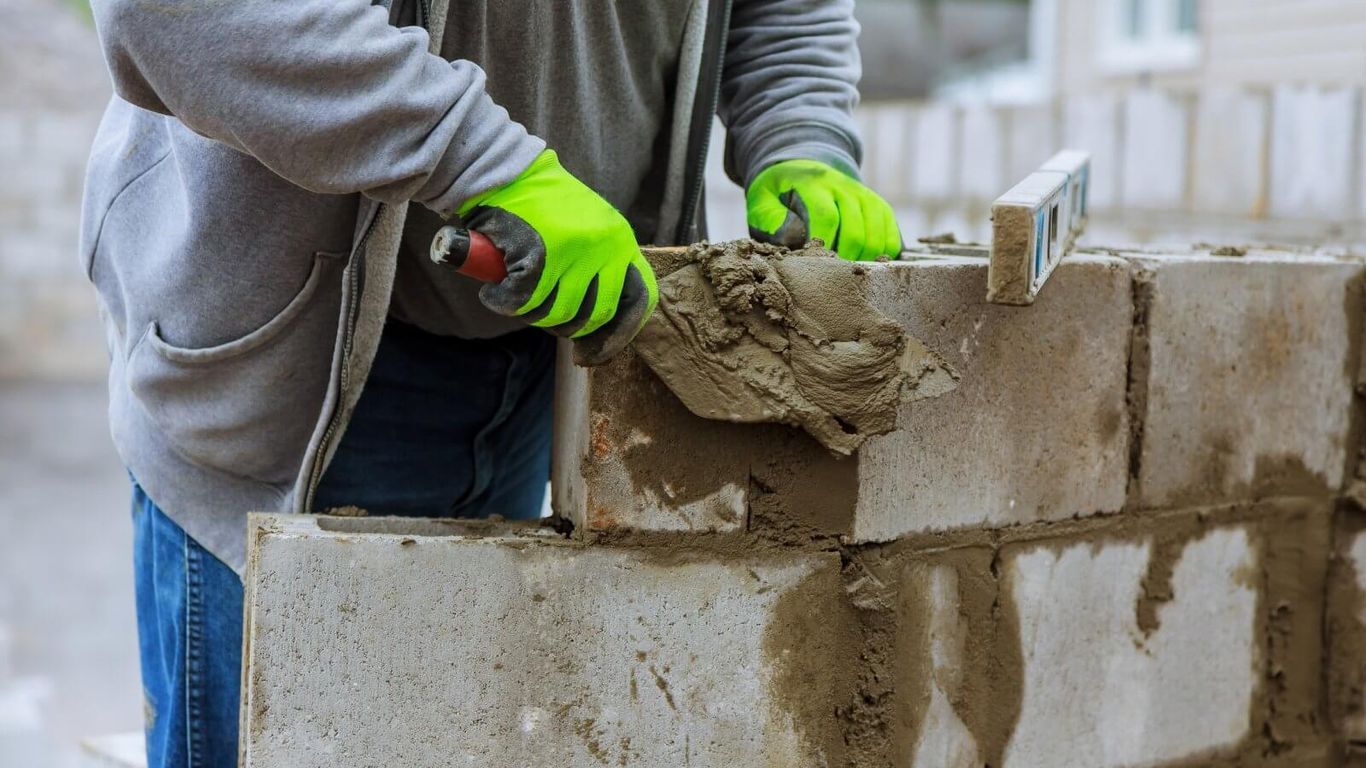
Before you even think about mixing concrete, you’ve got to get the ground ready. This step is super important, and honestly, it’s not that hard. Skipping it can lead to a wobbly path later on, and nobody wants that.
Simple Surface Preparation Steps
First things first, you need to clear the area where your path will go. This means getting rid of any grass, weeds, or old landscaping. You’ll want to dig down a bit, usually a few inches, to remove the sod and topsoil. This gives you a clean slate to work with. Making sure the ground is relatively flat and smooth is key here. If you’re just doing a small garden path, this might be all you need to do. For bigger projects, or if you want your path to last ages, you might want to consider a bit more.
Ensuring a Level Foundation for Your Walkway
Once the area is cleared, you need to make sure it’s level. Use a long, straight board and a level to check. If you find high spots, shave them down. If there are low spots, you can fill them in with a bit of soil or sand and pack it down. A level base means your Walk Maker forms will sit evenly, and your finished path won’t have any weird dips or bumps. It’s all about creating a stable platform for your new concrete sections.
Optional: Adding a Gravel Base for Durability
For a path that’s going to get a lot of foot traffic or if you live in an area with a lot of rain or frost, adding a gravel base is a really good idea. After you’ve cleared and leveled the ground, spread about 2 to 4 inches of gravel over the area. Then, pack it down really well. You can use a hand tamper or even just walk over it repeatedly. This gravel layer helps with drainage and gives your concrete path extra support, making it much more durable over time. It’s a bit more work upfront, but it’s worth it for a path that lasts. You can find more details on preparing your site for concrete projects here.
Remember, a little extra effort in the preparation stage saves a lot of headaches down the road. Take your time and get the ground just right before you start pouring.
Here’s a quick rundown of what you’ll need for site prep:
- Shovel
- Level
- Rake
- Tamper (optional, for gravel)
- Wheelbarrow (for moving soil or gravel)
If you’re adding gravel, make sure to get a compactible type. You’ll want to grade and compact that gravel layer so it’s nice and flat before you place your Walk Maker form.
Mixing and Pouring Concrete with the Walk Maker
Alright, let’s get down to the nitty-gritty of actually making your pathway. This is where the magic happens, turning a pile of dry mix into solid, good-looking walkway sections. It’s not complicated, but you do need to pay attention to a few things to get it right.
Achieving the Perfect Concrete Consistency
Getting the mix just right is super important. Too wet, and it’ll be soupy and weak. Too dry, and it’ll be hard to work with and won’t fill the form properly. You’re aiming for a consistency that’s workable but not runny. Think of it like thick oatmeal or brownie batter – it should hold its shape but still be pliable.
- Start with the recommended amount of water on the bag of your chosen Quikrete mix. It’s usually best to add a little less water than you think you’ll need at first.
- Mix thoroughly with a hoe or shovel in a wheelbarrow or a sturdy tub. Make sure there are no dry pockets left.
- If it seems too dry and crumbly, add water just a little bit at a time, mixing well after each addition, until you reach that perfect consistency.
The goal is a mix that’s easy to shovel and press into the form, but doesn’t slump or spread out on its own. It should feel substantial.
Filling the Quikrete Walk Maker Form
Once your concrete has that ideal consistency, it’s time to fill the Walk Maker form. Place the form on your prepared surface, making sure it’s sitting flat and stable. Then, start shoveling the concrete mix into the openings of the mold. Don’t just dump it in; try to fill each section evenly.
- Use a trowel to push the concrete into all the corners of the form. This is key to getting those nice, defined edges on your walkway sections.
- Work your way around the form, filling each cavity completely.
- If you’re adding liquid cement color to give your pathway a unique look, make sure it’s thoroughly mixed into the concrete before you start filling the forms.
Consolidating Concrete and Eliminating Air Pockets
This step is where you make sure your concrete is dense and strong. As you fill the form, and especially after it’s full, you need to press and jiggle the concrete to get rid of any air bubbles. Air pockets can weaken the concrete and create unsightly voids.
- Use your margin trowel or a similar tool to press the concrete firmly into the corners and along the edges of the form. You can also tap the sides of the form gently.
- Work the concrete around, making sure it fills every nook and cranny. You’ll see air bubbles rise to the surface as you do this.
- Smooth the top surface of the concrete level with the top of the form. This makes removing the form easier and gives you a nice, flat surface.
The smoother you get the surface now, the less work you’ll have to do later. Once the concrete is consolidated and the surface is leveled, you’re ready for the next exciting step: lifting the form!
Achieving a Seamless Finish with Your Walkway
Once you’ve got your concrete poured and smoothed within the Walk Maker form, the next step is getting that clean, finished look. It’s all about the reveal and making those edges look sharp.
Removing the Form for a Clean Reveal
This part is pretty straightforward, but timing is key. You don’t want to wait too long, or the concrete will start to set and make removal difficult. As soon as you’ve smoothed the surface of the concrete in the form, it’s time to lift it. Just carefully pull the form straight up. If you’ve prepared your surface well and the concrete isn’t too wet, it should come away cleanly, leaving a nicely shaped section of your pathway behind. It’s a satisfying moment when you see that first perfect stone shape appear.
Smoothing Edges and Creating a Non-Slip Surface
After you lift the form, you might notice some rough spots around the edges. Grab your margin trowel – maybe wet it a little if the concrete is starting to firm up – and gently smooth those edges. You’re aiming for a clean line. If you want to make sure your pathway isn’t slippery, especially if it’s going to be in an area that gets wet, a quick pass with a stiff brush or even a broom over the surface while it’s still wet can create a nice texture. This adds a bit of grip without looking too rough. For a more decorative stone look, you might consider using a durable polyurethane stamp designed for concrete projects.
Varying the Pattern for a Natural Look
To make your pathway look less like it was made with a mold and more like natural flagstone or pavers, you’ll want to mix up the pattern. After you’ve lifted the form from the first section, don’t just place it in the exact same spot for the next one. Instead, rotate the form a quarter turn. Then, place it right up against the section you just made. This slight shift in orientation makes each section look a little different, and when you repeat this process down your path, it creates a much more random and appealing look. It’s a simple trick that makes a big difference in the final appearance of your DIY walkways.
Don’t be afraid to experiment with the form’s placement. A little variation goes a long way in making your pathway look custom-designed rather than mass-produced. Think about how real stone or brick paths are laid – they aren’t perfectly uniform, and that’s part of their charm.
Curing and Protecting Your New Concrete Pathway
Alright, so you’ve poured your concrete, smoothed it out, and maybe even added some color. That’s awesome! But hold on, your work isn’t quite done yet. The next step is super important for making sure your new pathway lasts a long time and looks good. It’s all about curing and protecting that concrete.
The Importance of Proper Concrete Curing
Think of curing like letting a cake bake properly. If you pull it out too soon, it’s going to be a mess. Concrete needs time and the right conditions to get strong. This process, called curing, is when the concrete actually hardens and reaches its full potential. Getting the curing right means your pathway will be durable, stable, and able to handle whatever the weather throws at it. Skipping this step can lead to weaker concrete that might crack or crumble down the road. You generally want to wait at least 24 hours before walking on it, but full strength takes longer.
Water Curing Techniques for Maximum Strength
One of the best ways to cure concrete is with water. It sounds simple, and it is, but you have to be consistent. For about three to seven days after you’ve finished pouring and smoothing, you’ll want to keep the concrete damp. You can do this by:
- Misting periodically: Use a garden hose with a fine mist setting to spray the pathway a few times a day. You don’t want puddles, just a consistent dampness.
- Covering with plastic: Laying down plastic sheeting over the concrete can trap the moisture in. Make sure it’s sealed around the edges as best you can.
- Using wet coverings: Burlap or old blankets kept constantly wet also work well for holding moisture against the concrete.
This keeps the concrete from drying out too quickly, which is what can cause those pesky cracks. It’s especially important if you’re working in hot or windy weather. For more tips on keeping your concrete looking good, check out maintaining concrete patios and walkways.
Using Quikrete Acrylic Cure and Seal for Protection
If keeping things constantly wet sounds like a hassle, or if you’re in a really dry climate, there’s another option: a concrete cure and seal product. Products like Quikrete’s Acrylic Cure and Seal can be sprayed or rolled onto the surface after the initial sheen has disappeared. This stuff does two jobs: it helps the concrete cure evenly, and it adds a layer of protection. This seal can help prevent stains from things like oil or grease, which is pretty handy for a pathway. Just be sure to follow the product instructions, especially regarding temperature – you don’t want to apply it if it’s going to freeze within 24 hours. Applying a sealer is a good way to protect your concrete driveway too.
Curing is not just about letting concrete dry; it’s an active process where the concrete gains strength through a chemical reaction that requires moisture. Keeping that moisture present for an extended period is key to a robust final product.
Customizing Your Pathway with Color and Texture
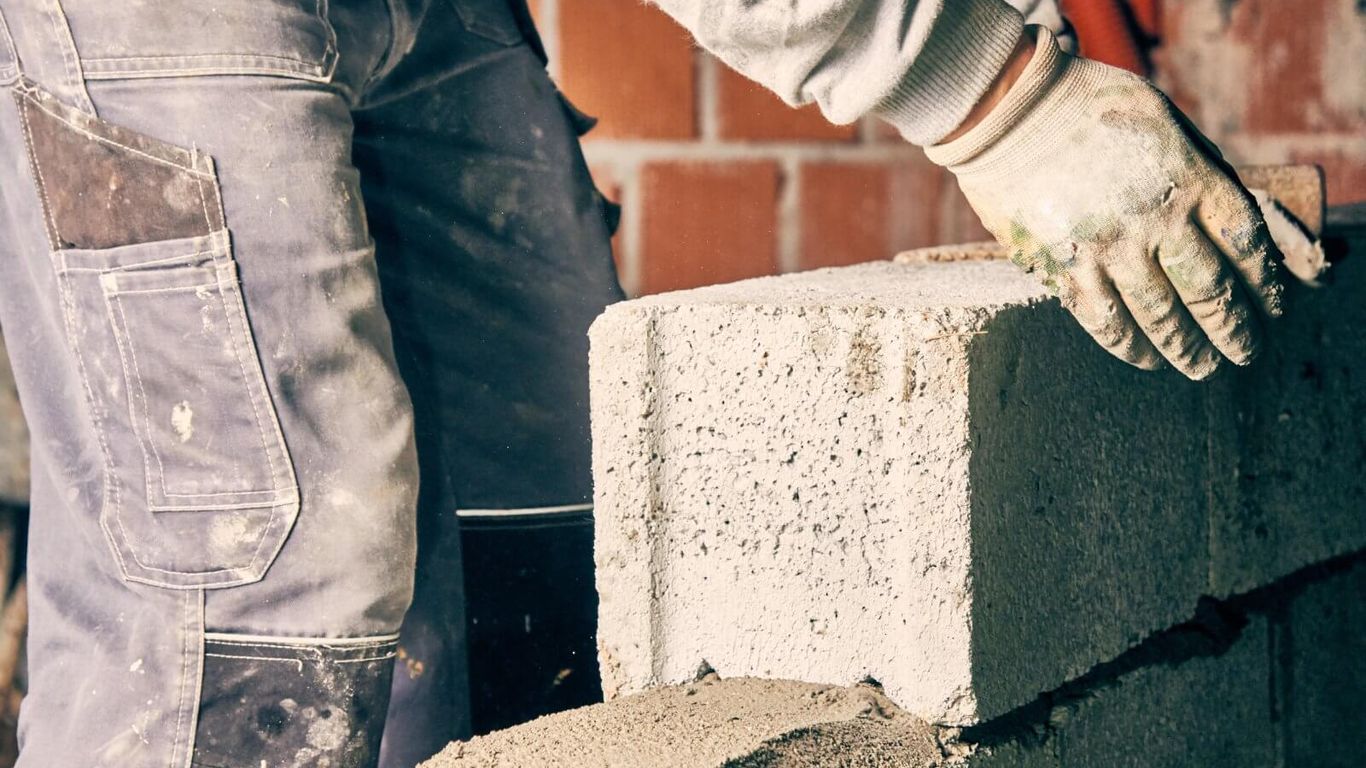
A plain concrete path does its job, sure, but adding color and texture turns the ordinary into something unique. With a little extra effort, you can make that path blend right into the landscape or stand out as a feature, just the way you like.
Adding Liquid Cement Color for a Natural Finish
Mixing liquid cement color right into your concrete is the best way to get deep, lasting shades that won’t fade or chip easily. Here’s a simple way to go about it:
- For every two 60 or 80-pound bags of concrete mix, add one 10-ounce bottle of liquid cement color to five quarts of clean water.
- Blend the color and water thoroughly, then mix with your dry concrete until the color looks even.
- If the mix is too thick, add more water a little at a time.
- Pour and shape the colored concrete as usual.
It helps to stick to the same formula for each batch so your pathway color doesn’t turn out blotchy. Check out the available options for creating a country stone pattern using the mold most builders prefer.
Creating Decorative Surface Effects
Now, here’s where you can really get creative. After placing your concrete and while it’s still damp (around an hour after setting), you can try:
- Pressing small stones, seashells, or glass beads into the surface for a custom look
- Brushing on a layer of dry sand for a textured, slip-resistant finish
- Making patterns with a stiff-bristled broom to give grip and add style
You don’t need fancy tools—just patience and whatever surface material catches your eye. Surface finishes can bring out the best in boring gray concrete and match the path to the rest of your yard.
Mimicking Mortar Joints with Jointing Sand
If you want those gaps between the concrete “stones” to look sharp, jointing sand is the way to go. Here’s how:
- Sweep polymer-modified jointing sand into the joints after the new path sections are cured.
- Lightly mist the sand with water—enough to wet it without washing it away. The polymers help the sand harden, taking on the look of real mortar lines.
- Refresh the sand every so often if the joints start to look tired.
Playing around with color and texture when building a pathway lets you match your style, whether that’s rustic, modern, or something in between. It’s one of those simple upgrades that makes the whole space feel more finished.
Sample Color Mixing Table
| Bags of Concrete | Cement Color Bottles | Water (quarts) |
|---|---|---|
| 2 (60 or 80 lb) | 1 | 5 |
| 4 (60 or 80 lb) | 2 | 10 |
| 6 (60 or 80 lb) | 3 | 15 |
Small details make a big difference with hardscaping. Colored, textured concrete is a fast way to turn a typical walkway into something personal. If you want to experiment more, DIY pavers are another fun project and let you try all kinds of color combos.
Your New Pathway Awaits
So there you have it. Creating a really nice-looking pathway doesn’t have to be a huge, expensive job. The Quikrete Walk Maker makes it pretty straightforward to get that custom stone or brick look without all the hassle. You can tackle it in a weekend, maybe add some color if you’re feeling fancy, and suddenly your yard looks totally different. It’s a simple way to make your outdoor space feel more inviting and put-together. Give it a try – you might be surprised at what you can do.
Frequently Asked Questions
How much concrete do I need for one section?
One 80-pound bag of Quikrete concrete mix is usually enough to fill one Walk Maker form, creating one section of your pathway. It’s always a good idea to have a little extra on hand just in case!
Can I make curves in my pathway?
Yes, you can! To create a curve, simply place the form at an angle against the previous section and press down. This will cut off a corner, allowing you to guide the path in the direction you want. You can then smooth the cut edge.
How long does it take for the concrete to set?
You don’t have to wait long at all! You can lift the Walk Maker form right after you smooth the concrete. The concrete will be ‘thumbprint hard’ in about an hour, which is when you can smooth any rough edges.
How do I make my pathway look like real stone or brick?
The Walk Maker forms come in different patterns like stone and brick. To make it look even more authentic, you can add liquid cement color to the mix. Also, filling the gaps between sections with jointing sand can mimic mortar lines.
What’s the best way to take care of my new concrete path?
After you finish pouring, it’s important to let the concrete cure properly. You can mist it with water for a few days, or use a product like Quikrete Acrylic Cure and Seal. This seal also helps protect the path from stains.
Can I add color to my pathway?
Absolutely! Quikrete offers liquid cement colors that you can mix right into your concrete water. This gives your pathway a more natural look and helps it blend in with your yard.