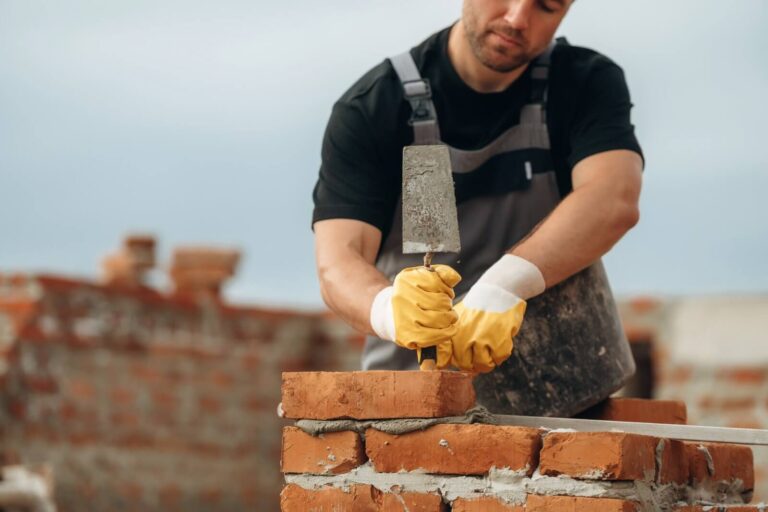
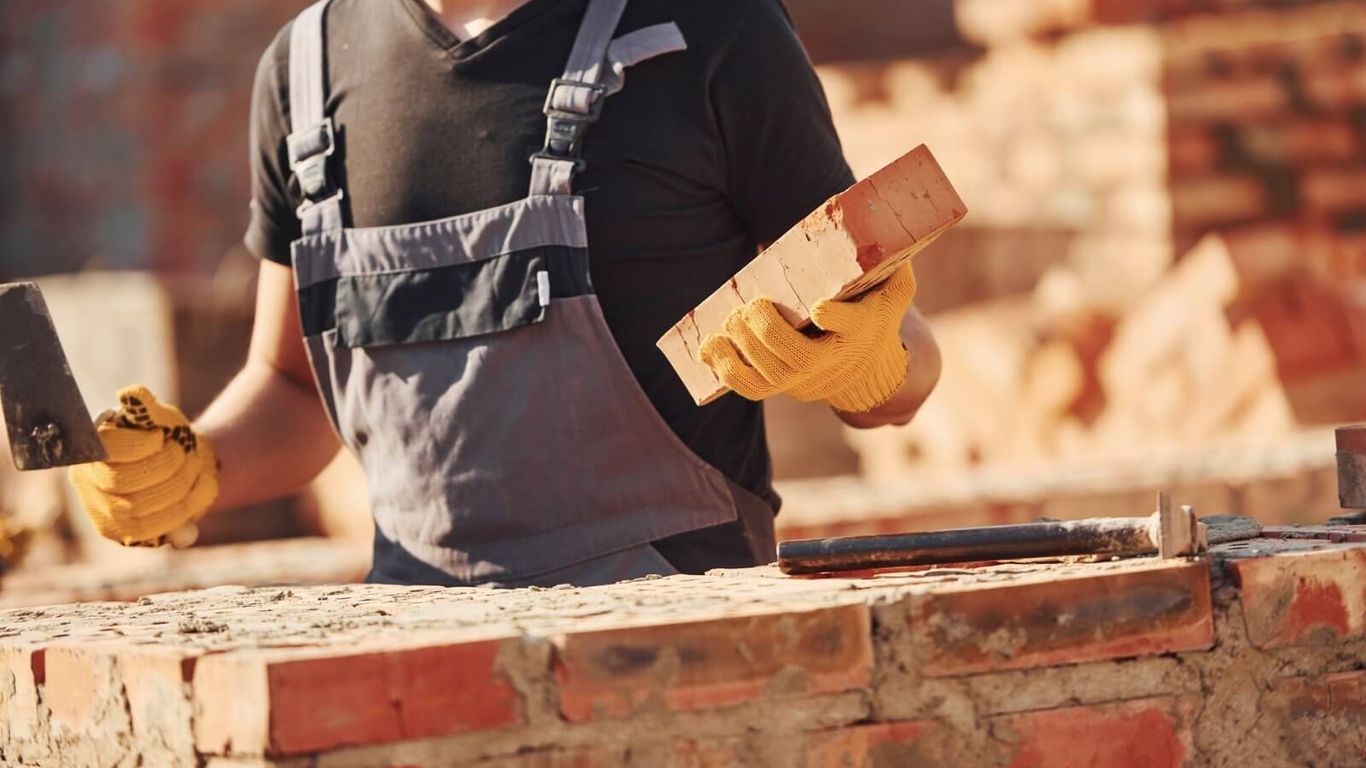
So, you’re looking to tackle a parging wall project yourself? That’s awesome! It can seem a bit daunting at first, especially if you’ve never done it before. But honestly, with the right approach, you can get that nice, smooth finish that makes your foundation look great. This guide is all about breaking down how to get a solid parging wall done, from figuring out what you need to making sure it lasts. We’ll cover the basics so you can feel confident about your project.
Key Takeaways
- Understanding the basics of what a parging wall is and why it’s important for your home’s foundation is the first step.
- Gathering the right tools and picking the correct mortar mix are vital for a successful parging application.
- Properly cleaning and preparing your existing wall surface is key to making sure the new parging sticks well.
- Learning the techniques for applying the parging coat evenly will help you achieve that desired smooth finish.
- Allowing the parging to cure properly and knowing how to do minor repairs will help your parging wall last a long time.
Understanding Parging Wall Basics
So, you’re looking to give your foundation walls a facelift, or maybe just add a bit of protection? That’s where parging comes in.
What is Parging?
Parging is basically a thin layer of cement-based mortar applied to the exterior of foundation walls. Think of it like a protective, decorative skin for your concrete or masonry. It’s not meant to be a structural element, but rather a finishing coat. It’s applied over the visible portion of your foundation, typically from the top of the foundation down to ground level. This coating helps to smooth out rough surfaces, cover up minor imperfections, and give your home’s base a cleaner, more uniform look. It’s a pretty common practice, especially on older homes.
The Purpose of Parging Walls
Why bother with parging? Well, it serves a few good purposes. First off, it makes things look a whole lot nicer. A freshly parged wall can really tidy up the appearance of your home’s exterior. Beyond looks, it offers a bit of protection. It can help seal small cracks and voids in the foundation, acting as a barrier against moisture and the elements. This can prevent water from seeping into the foundation and causing bigger problems down the line. It’s also a good way to prepare a wall for painting or other finishes. You can’t just slap paint on rough concrete and expect it to look good, right?
Parging vs. Other Wall Finishes
When you’re thinking about finishing your foundation walls, parging isn’t the only game in town. You’ve got options. Stucco, for instance, is similar in that it’s a cementitious coating, but it’s often applied in thicker layers and can be more decorative. Parging is generally simpler and more utilitarian. Then there’s just leaving the foundation bare, which is an option, but not usually the most attractive or protective. Some people might consider stone or brick veneers, but those are much more involved and expensive projects. Parging is a more budget-friendly and straightforward way to get a finished look. It’s a good middle ground if you’re not looking to break the bank but still want a decent finish. For a basic, protective layer, parging is a solid choice.
Parging is a thin, cementitious coating applied to exterior foundation walls. Its primary roles are aesthetic improvement and providing a protective barrier against minor moisture intrusion and surface damage. It’s not a structural repair but a finishing layer.
Here’s a quick look at how parging stacks up:
- Parging: Thin mortar coat, primarily for looks and minor protection.
- Stucco: Thicker, often more decorative cementitious finish.
- Bare Concrete: No added finish, shows imperfections.
- Veneers (Stone/Brick): Adds significant weight and cost, provides substantial protection and aesthetics.
Essential Tools and Materials for Parging
Alright, let’s talk about what you’ll actually need to get this parging job done. It’s not rocket science, but having the right gear makes a world of difference. Trying to wing it with the wrong tools is just asking for a headache and a messy finish.
Gathering Your Parging Tools
First off, you’ll need some basic hand tools. Think of these as your primary instruments for applying and smoothing the parge coat. You’ll want a good quality margin trowel for scooping and placing the mortar, and a larger finishing trowel for spreading and leveling. A hawk is super handy for holding a small amount of mortar while you work, kind of like a portable mortar tray. Don’t forget a stiff bristle brush for cleaning the wall surface beforehand and maybe for some texturing later if you’re feeling fancy. A bucket for mixing and water is a given, of course.
For mixing, you can go old school with a hoe and some elbow grease, or if you’re doing a larger area or just want to save your back, a drill with a mixing paddle attachment is a lifesaver. It makes getting a consistent mix much easier. You might also want a spray bottle for misting the wall to keep it damp while you work, which helps the parge adhere better. A level is always a good idea to check your work as you go.
Selecting the Right Mortar Mix
This is where things can get a little technical, but it’s important. You can buy pre-mixed parging cement, which is convenient, or mix your own. If you’re mixing your own, you’ll typically use Portland cement and sand. The ratio is key for strength and workability. A common mix is one part Portland cement to three parts sand, but you might adjust this based on the specific product instructions or the condition of your foundation wall. Sometimes, adding a small amount of lime can improve workability. The goal is a mix that’s workable but not too wet, so it sticks to the wall without slumping.
It’s also worth looking into polymer-modified mortars. These have added polymers that increase adhesion, flexibility, and resistance to cracking, which can be a big plus, especially if you’re in an area with freeze-thaw cycles. Always read the manufacturer’s instructions for any bagged mix you buy; they often have specific recommendations for water addition and mixing times. For foundation repairs, using a mix designed for parging cement is a good bet.
Choosing Appropriate Aggregates
When we talk about aggregates in parging, we’re mostly referring to the sand used in the mortar mix. The type and size of the sand grains matter. For a smooth finish, you’ll want a finer sand. If you’re looking for a more textured finish or applying a thicker coat, a coarser sand might be suitable. The sand should be clean and free from dirt, clay, or organic matter, as these impurities can weaken the mortar and affect its appearance.
Sometimes, especially for repairs or specific finishes, you might encounter other materials like small, clean gravel or special additives. However, for standard parging, clean masonry sand is usually what you’ll be working with. If you’re buying bagged mortar mix, the aggregate is already included, so you just need to add water. If you’re mixing from scratch, make sure you get sand specifically meant for masonry work. It’s a small detail, but it really impacts the final look and durability of your parging job.
Preparing Your Wall for Parging
Alright, so you’ve got your tools and materials ready, and you’re itching to get that parging on. But hold up a sec! Before you even think about mixing that mortar, you gotta make sure your wall is prepped. This step is super important, like, seriously important. If you skip this, your fancy new parging job might not stick around for long. Think of it like trying to paint a dirty wall – it just won’t look good, and it’ll probably peel off.
Cleaning and Repairing the Foundation
First things first, you need to get that foundation wall clean. We’re talking about getting rid of any loose bits, dirt, old paint, or anything else that might stop the parging from sticking. Grab a stiff wire brush and go to town on the whole surface. You want it to be rough and clean. If you see any big cracks or crumbling bits, you’ll need to patch those up before you do anything else. Small holes and cracks can be filled with a patching compound or even a bit of your parging mix. For bigger issues, you might need to consult a pro, but for most DIY jobs, a good patch will do the trick. This is also a good time to check for any signs of moisture problems, like efflorescence (that white powdery stuff). If you find a lot of that, you might have a bigger issue to deal with first.
Ensuring Proper Surface Adhesion
Once it’s clean, you need to make sure the surface is ready to grab onto that parging. A dry, dusty wall isn’t going to hold on well. So, after you’ve brushed everything off, give the wall a good misting with water. You don’t want it soaking wet, just damp. This helps the parging material bond better. Think of it like wetting down a surface before you apply tile adhesive – it makes a world of difference. Some folks even use a bonding agent, which is like a liquid primer that gives the parging extra grip. It’s usually a good idea to check the manufacturer’s instructions for your specific parging mix, as they might have recommendations on surface prep. A well-prepared surface is key to a lasting parging finish.
Setting Up Your Work Area
Now, let’s talk about making your life easier while you’re working. You’re going to be slinging mortar, and that stuff can get messy. So, protect anything you don’t want splattered. Lay down drop cloths or plastic sheeting on the ground around the base of the wall. If there are windows or doors nearby, cover them up too. You’ll also want to have your tools organized and within easy reach. This means having your buckets, trowels, floats, and any other gear right where you can grab them. It makes the whole process go a lot smoother when you’re not constantly searching for something. Make sure you have a water source nearby, too. A hose with a spray nozzle is perfect for dampening the wall and cleaning your tools.
Proper preparation is the bedrock of any successful parging project. Skipping these steps is like building a house on sand – it might look okay for a while, but it’s bound to cause problems down the line. Take your time, be thorough, and you’ll thank yourself later when your parging looks great and holds up for years to come.
Here’s a quick checklist to make sure you’re ready:
- Clean the wall: Use a wire brush to remove all loose debris, dirt, and old paint.
- Repair damage: Fill any cracks or holes with appropriate patching material.
- Dampen the surface: Lightly mist the wall with water for better adhesion.
- Protect surroundings: Cover nearby plants, windows, doors, and the ground with drop cloths.
- Organize tools: Have all your equipment readily accessible.
- Ensure water access: Keep a hose or water source nearby for dampening and cleaning.
Applying the Parging Coat
Alright, so you’ve got your wall prepped and ready. Now comes the fun part – actually putting on that parging. This is where you transform a plain foundation into something that looks good and offers protection. It might seem a little intimidating at first, but with a bit of practice, you’ll get the hang of it.
Techniques for a Smooth Finish
Getting a smooth finish is all about how you handle the trowel and the mortar. You want to apply the parging in thin, even layers. Start at the bottom and work your way up. Use your steel trowel to spread the mortar, holding it at a slight angle to the wall. Think of it like frosting a cake, but, you know, for your house. You’re not trying to pile it on thick; it’s more about a controlled, sweeping motion.
- First Coat: Apply a thin layer, about 1/4 inch thick. This layer is mostly about getting good adhesion. Don’t worry too much about perfection here; it’s the base for your next coat.
- Second Coat: Once the first coat has set up a bit (it shouldn’t be wet, but not rock hard either – usually an hour or two depending on the weather), you’ll apply your second, thicker coat. This is where you really start shaping and smoothing.
- Troweling: Use long, even strokes. Overlap your strokes slightly to avoid leaving gaps or lines. If you see any low spots, add a little more mortar and smooth it out. For a really smooth finish, you can lightly mist the surface with water and go over it again with a clean trowel.
Achieving Uniform Thickness
Keeping the thickness consistent is key to a professional look and proper protection. If one spot is way thicker than another, it can lead to cracking later on. A good rule of thumb is to aim for a total thickness of about 3/8 to 1/2 inch after both coats are applied. You can use small pieces of wood or plastic as temporary guides along the bottom and edges to help you keep the thickness even as you work. Just remember to pull them out before the mortar sets too hard and smooth over the lines they leave.
Parging is a technique used to apply a thin layer of mortar, typically a blend of Portland cement, sand, and water, onto masonry surfaces such as concrete blocks and bricks. This process enhances the appearance and protects the underlying material. Parging is a technique
Working with Parging Sprayers
If you’re tackling a large area or just want to speed things up, a parging sprayer, sometimes called a stucco sprayer or mortar sprayer, can be a real game-changer. These tools shoot the mortar onto the wall, which can be faster than troweling by hand. You’ll still need to go over it with a trowel to smooth it out and get the right thickness, but it lays down a good, even base layer quickly. Make sure you get the right kind of sprayer for the job; you don’t want something that’s going to clog up immediately. A good air stucco sprayer can make a big difference.
Here’s a quick rundown on using a sprayer:
- Mix Consistency: Get your mortar mix just right. It needs to be wet enough to spray but not so watery that it runs off the wall. Think of a thick pancake batter consistency.
- Spraying Technique: Hold the sprayer a consistent distance from the wall and move it in a steady, sweeping motion. Overlap your passes to ensure full coverage.
- Follow-up: Immediately after spraying, use your trowel to smooth out the surface, fill any voids, and achieve your desired thickness. The sprayer gets the material on fast, but the trowel does the finishing work.
Curing and Finishing Your Parging Wall
Alright, so you’ve put in the work, and your parging looks pretty good. But don’t just walk away yet! The job isn’t truly done until the parging has cured properly. This is where a lot of DIYers kinda drop the ball, and it can lead to problems down the road. Think of it like baking a cake – you can’t just pull it out of the oven the second it looks done; it needs time to set.
The Importance of Proper Curing
Curing isn’t just about drying. It’s a chemical process where the cement in the mortar hardens and gains strength. If it dries out too fast, especially in hot or windy weather, the surface can become weak and prone to cracking. A slow, steady cure is key to a durable parging finish. This means keeping the surface moist for a period. For most parging jobs, you’ll want to keep it damp for at least 24 to 48 hours. This allows the cement to fully hydrate and reach its maximum strength. Skipping this step is like building a house on a shaky foundation – it might look okay for a bit, but it won’t last.
Protecting Your Parging Finish
Once you’ve applied the parging, you need to protect it while it cures. This is especially true if the weather isn’t cooperating. Here are a few ways to do it:
- Misting: Gently mist the parging surface with water a few times a day. Don’t blast it with a hose; a fine spray is all you need. This keeps the surface from drying out too quickly.
- Covering: Use plastic sheeting or burlap to cover the wall. If you use burlap, keep it damp. Plastic works well to trap moisture, but make sure there’s some airflow to prevent overheating.
- Shade: If it’s really sunny, try to provide some shade. A tarp or even some strategically placed boards can help block direct sunlight.
Remember, the goal is to keep the parging consistently damp, not soaking wet. Too much water can wash away the cement, and too little will cause it to dry out too fast. It’s a balancing act.
Addressing Cracks and Imperfections
Even with the best efforts, tiny hairline cracks can sometimes appear. This is pretty common, especially with cement-based products. Don’t panic! Most of these are superficial and can be fixed.
- Hairline Cracks: For very fine cracks, you can often just brush them with a damp brush while the parging is still a bit wet. If they appear after curing, you can mix up a small batch of parging mix and carefully fill them in. Feather the edges so they blend in.
- Larger Cracks: If you have a bigger crack, you might need to widen it slightly with a chisel so the new parging mix has something to grip onto. Then, fill it in, making sure to pack it firmly. You might need a few applications to get it level with the rest of the wall.
It’s also a good time to look for any other little boo-boos, like uneven spots or areas that didn’t quite get enough coverage. You can usually smooth these out with a trowel or a damp sponge. The idea is to get everything looking as uniform as possible before it fully hardens. If you’re dealing with significant cracking, it might be a sign of underlying issues with the foundation settling, which is something you’ll want to look into further. For minor touch-ups, you can often find suitable repair materials at your local hardware store.
Maintaining Your Parging Wall’s Longevity
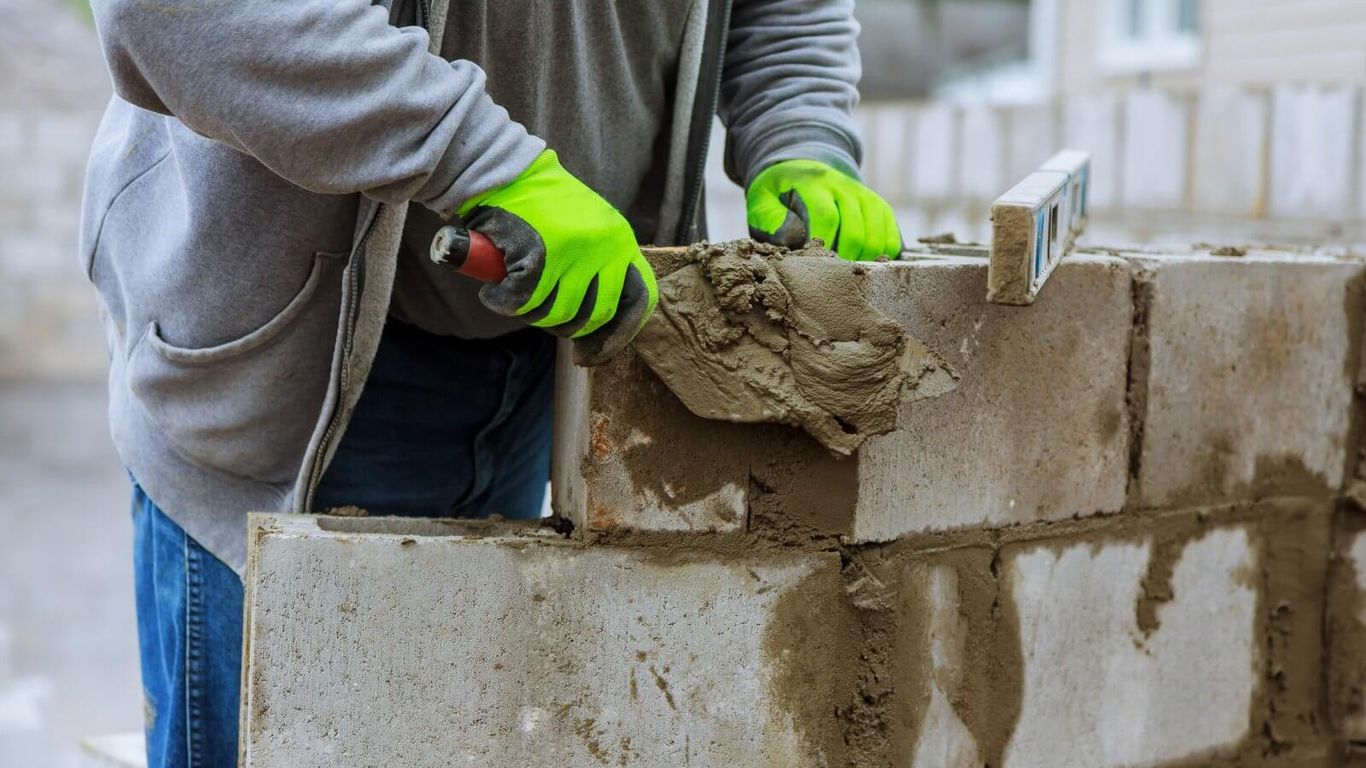
So, you’ve put in the work, and your parging wall looks fantastic. Now, how do you keep it that way? It’s not rocket science, but a little bit of regular attention goes a long way. Think of it like taking care of a car – a few simple checks and cleanings can prevent major breakdowns.
Regular Cleaning Practices
First off, let’s talk about keeping it clean. Dirt, grime, and especially organic stuff like leaves and moss can start to break down the surface over time. You don’t need fancy chemicals for this. A good scrub with a stiff brush and some water usually does the trick. If you have stubborn spots, a mild detergent can help. Just rinse it off thoroughly afterward. The goal is to prevent anything from sitting on the surface and causing damage. It’s also a good time to check for any small issues while you’re at it.
Seasonal Inspection and Care
Beyond the regular clean-ups, it’s smart to do a more thorough check a couple of times a year, maybe in the spring and fall. This is when you can really spot any developing problems. Look for cracks, even tiny ones, or areas where the mortar might be crumbling. Also, pay attention to how water is draining around your foundation. Poor drainage is a parging wall’s worst enemy. If you notice water pooling, you might need to adjust your landscaping or downspouts. For areas that get a lot of rain or snow, applying a waterproof sealant every few years can add a solid layer of protection.
Prompt Repair of Minor Damage
This is probably the most important part of keeping your parging looking good for years. If you see a small crack, don’t just ignore it. That little crack is an invitation for water to get in, and then freeze and expand, making the crack much worse. It’s way easier and cheaper to fix a small hairline crack than to deal with a chunk of parging falling off later. You can often patch these small spots yourself with a bit of mortar mix. If you’re not comfortable doing it, or if the damage seems more significant, it’s best to call in a professional. They have the right tools and know-how to get it done right, preventing bigger headaches down the road. Remember, a well-maintained parging wall not only looks good but also protects your home’s foundation, which is critical for your home’s integrity.
Wrapping Up Your Parging Project
So, you’ve made it through the guide, and hopefully, you’re feeling ready to tackle that parging wall. It might seem like a lot, but breaking it down step-by-step makes it totally doable. Remember, practice makes perfect, and even if your first attempt isn’t magazine-worthy, it’s still a win for doing it yourself. Take your time, follow the steps, and don’t be afraid to get a little messy. You’ve got this!
Frequently Asked Questions
What exactly is parging, and why do people put it on their house foundations?
Parging is like giving your foundation walls a nice, smooth coat of cement. Think of it as a protective and decorative layer. It helps shield the concrete or blocks from water and makes your basement walls look a lot tidier. It’s basically a thin, tough skin for your foundation.
Can I really do parging myself, or is it better to hire someone?
You can definitely tackle parging as a DIY project if you’re up for it! It requires some patience and the right tools, like a trowel and maybe a sprayer. However, if you want a super smooth, professional look or have a large area, hiring someone might save you time and ensure a really polished finish, especially if you’re new to this kind of work.
What kind of materials do I need to buy for parging?
You’ll mainly need a special cement mix, often called parging cement or mortar mix, that’s made for this job. You’ll also want clean water to mix it with. Sometimes, people add special sand or other stuff called aggregates to make the mix stronger or easier to work with, depending on what the project needs.
How do I make sure the parging sticks well to my foundation wall?
Getting the wall ready is super important! You need to make sure it’s clean – no loose dirt, old paint, or anything that would stop the new parging from sticking. Sometimes, you might even need to dampen the wall a bit so it doesn’t suck all the water out of the new cement mix too fast. A good, clean surface is key for a strong bond.
What’s the best way to get a smooth, even coat of parging?
Applying it evenly takes practice. You can use a trowel to spread the mix, working from the bottom up. Smooth it out as you go. Some people use a sprayer designed for this, which can help get a more uniform coat, especially on larger areas. The trick is to keep your strokes consistent and fill in any low spots.
My parging cracked a little after it dried. Is that a big problem?
Small, hairline cracks can sometimes happen as the parging dries and shrinks a bit. Often, these aren’t a major issue if they’re very tiny. However, if you see bigger cracks or ones that go all the way through, it’s best to fix them. You can usually patch them up with a bit more parging mix to keep water out and maintain a good look.