Working with stone can be really satisfying, whether you’re building something strong or just adding a nice touch to your yard. But let me tell you, trying to shape or place stone without the right gear? That’s a recipe for frustration. It’s like trying to cook without a good knife – you can sort of get by, but it’s messy and takes forever. Having the proper stone masonry tools makes all the difference. It means less struggle, cleaner work, and a finished project you can actually be proud of. So, let’s talk about what you actually need to get the job done right.
Key Takeaways
- Hammers and chisels are fundamental for breaking, shaping, and refining stone, offering control for detailed work.
- Measuring and marking tools like levels, tape measures, and string lines are vital for ensuring accuracy and proper alignment in any masonry project.
- Trowels and jointers are used for applying mortar and creating neat, durable joints, which impacts both the look and longevity of the structure.
- Power tools such as saws and grinders speed up cutting and shaping, especially for larger or harder materials, but require careful handling.
- Proper mixing equipment and material handling tools like mixers and wheelbarrows are necessary for consistent mortar and efficient site work.
Essential Stone Masonry Tools: Hammers and Chisels
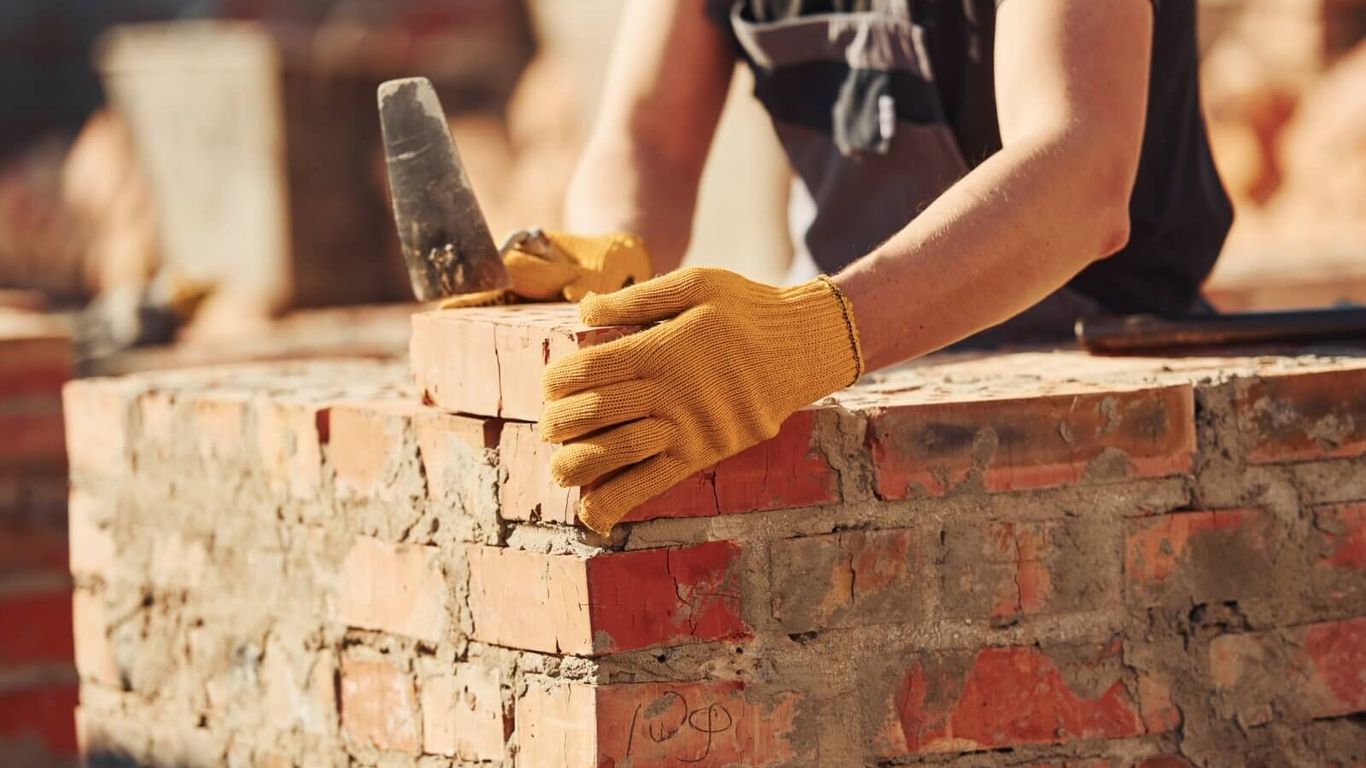
When you’re working with stone, having the right hammers and chisels is pretty much non-negotiable. These aren’t just for banging around; they’re precision instruments for shaping, splitting, and getting things just right. Think of them as your primary tools for roughing out shapes and making those initial, important cuts.
Masonry Hammers for Striking and Splitting
A good masonry hammer, often called a brick hammer, is a workhorse. It usually has a flat face on one side for striking and a chisel edge on the other. This dual nature means you can use it for driving other tools like chisels, but also for trimming bricks or splitting smaller stones. Having a solid weight behind it helps break down materials, but you still need a bit of finesse. It’s the tool you reach for when you need to make a decisive break or a quick trim.
Brick Chisels for Clean Cuts
Brick chisels are designed specifically for making clean breaks in bricks or softer stones. They have a relatively wide, flat cutting edge. You place the chisel where you want the break and strike it with a hammer. The key is a sharp edge and controlled strikes to avoid jagged, messy breaks. They’re great for cutting bricks to size or removing old mortar. You’ll want a few different sizes on hand, depending on the job.
Point Chisels for Rough Shaping
Point chisels are your go-to for the initial stages of shaping. They have a sharp, pointed tip. You use these to chip away at stone, roughing out a shape or creating a textured surface. They don’t make fine cuts, but they’re perfect for removing larger chunks and getting the basic form of your stone piece established. It’s a bit like sketching with a hammer and chisel.
Mason’s Chisels for Stone and Concrete Shaping
Mason’s chisels, sometimes called cold chisels, are a bit more general-purpose than brick chisels. They have a flat, sturdy cutting edge and are built to handle tougher materials like concrete and harder stones. You can use them for shaping, trimming, and even some demolition work. They’re versatile and can be used with a mallet or a hammer for controlled chipping and cutting. Having a set of these in various widths will cover a lot of ground on the job site. They’re really useful for getting into tighter spots or refining edges after the initial rough shaping.
When selecting hammers and chisels, always look for tools made from hardened steel. This ensures they can withstand repeated impacts and maintain a sharp edge, which is vital for both safety and efficiency on the job.
Here’s a quick rundown of what to look for:
- Masonry Hammer: Flat striking face, chisel edge for splitting/trimming.
- Brick Chisel: Wide, flat edge for clean cuts on bricks and softer stone.
- Point Chisel: Sharp, pointed tip for rough shaping and texturing.
- Mason’s Chisel: Sturdy, flat edge for general shaping and cutting of harder materials like stone and concrete.
Precision and Accuracy: Measuring and Marking Stone Masonry Tools
When you’re working with stone, even a small mistake in measurement can throw off the whole project. That’s why having the right tools to get things straight and true is super important. It’s not just about making things look good; it’s about making sure the structure is solid and safe.
Spirit Levels for Plumb and Level Checks
Think of a spirit level as your eyes for checking if something is perfectly straight up and down (plumb) or flat across (level). You’ll want a few different sizes. A smaller torpedo level is handy for quick checks on individual stones or small sections. For longer runs, like a wall, a longer level gives you a more accurate reading across a bigger area. Getting your lines plumb and level from the start saves a ton of headaches later on.
Tape Measures for Dimensions
This one’s pretty obvious, right? You need a tape measure for pretty much everything. When you’re picking one out for masonry work, look for something tough. You don’t want a flimsy tape that bends easily or has markings that wear off. A good, durable tape measure will have clear numbers and markings that are easy to see, even when it’s dusty on the job site. It’s your go-to for figuring out lengths, widths, and overall dimensions. You can find a wide selection of professional measuring tools designed for precision.
Mason’s String Lines for Alignment
For laying out long, straight lines, like the edge of a wall or a foundation, a mason’s string line is your best friend. You stretch this sturdy string taut between two points, and it gives you a perfect guide to follow. It helps keep your courses of stone or brick perfectly aligned, so you don’t end up with a wavy wall. It’s a simple tool, but it makes a huge difference in the final look and integrity of your work.
Chalk Lines for Guide Marks
Chalk lines are great for marking straight lines on surfaces, especially when you need a temporary guide. You pull the string taut, snap it against the surface, and it leaves a clear chalk line. This is super useful for marking cut lines on stone or for laying out patterns. Just remember that chalk lines can be a bit messy and might not hold up in wet conditions, so keep that in mind.
Accuracy in measurement and marking isn’t just about aesthetics; it’s about structural integrity. A well-measured and laid-out project is more stable and lasts longer. Taking the time to use these tools correctly upfront prevents costly mistakes and rework down the line.
Shaping and Finishing Stone: Trowels and Jointers
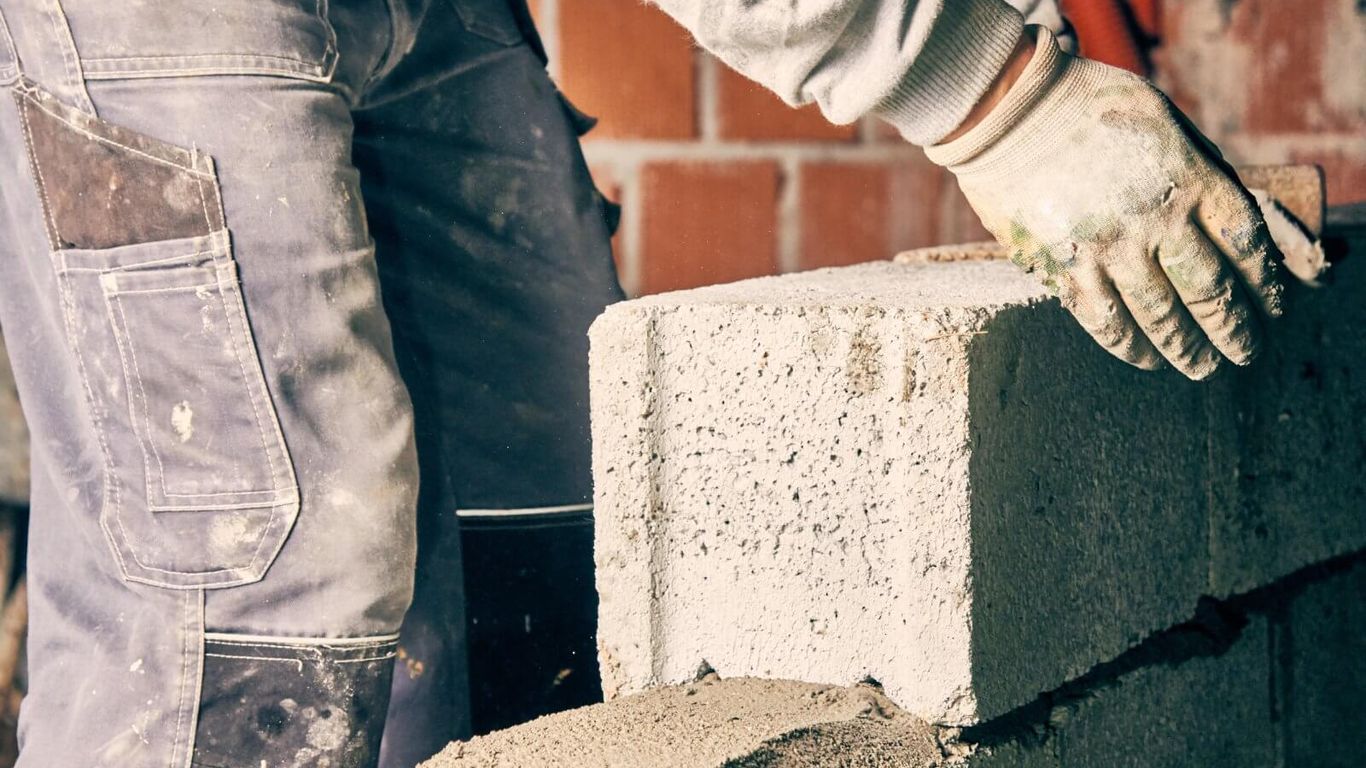
Alright, so you’ve got your stone cut and ready, but how do you make it look like a pro did it? That’s where trowels and jointers come in. These aren’t just for slapping mortar around; they’re the tools that give your project that finished, polished look. Getting the right trowel for the job makes a huge difference in how smooth and clean your work turns out.
Brick Trowels for Spreading Mortar
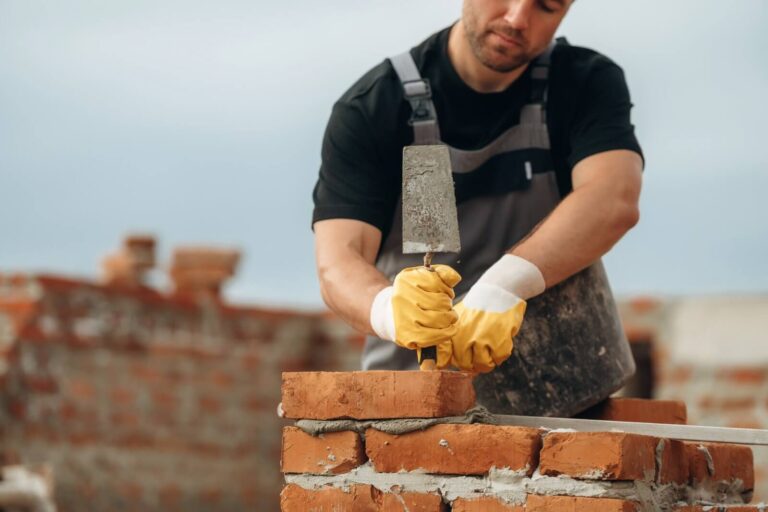
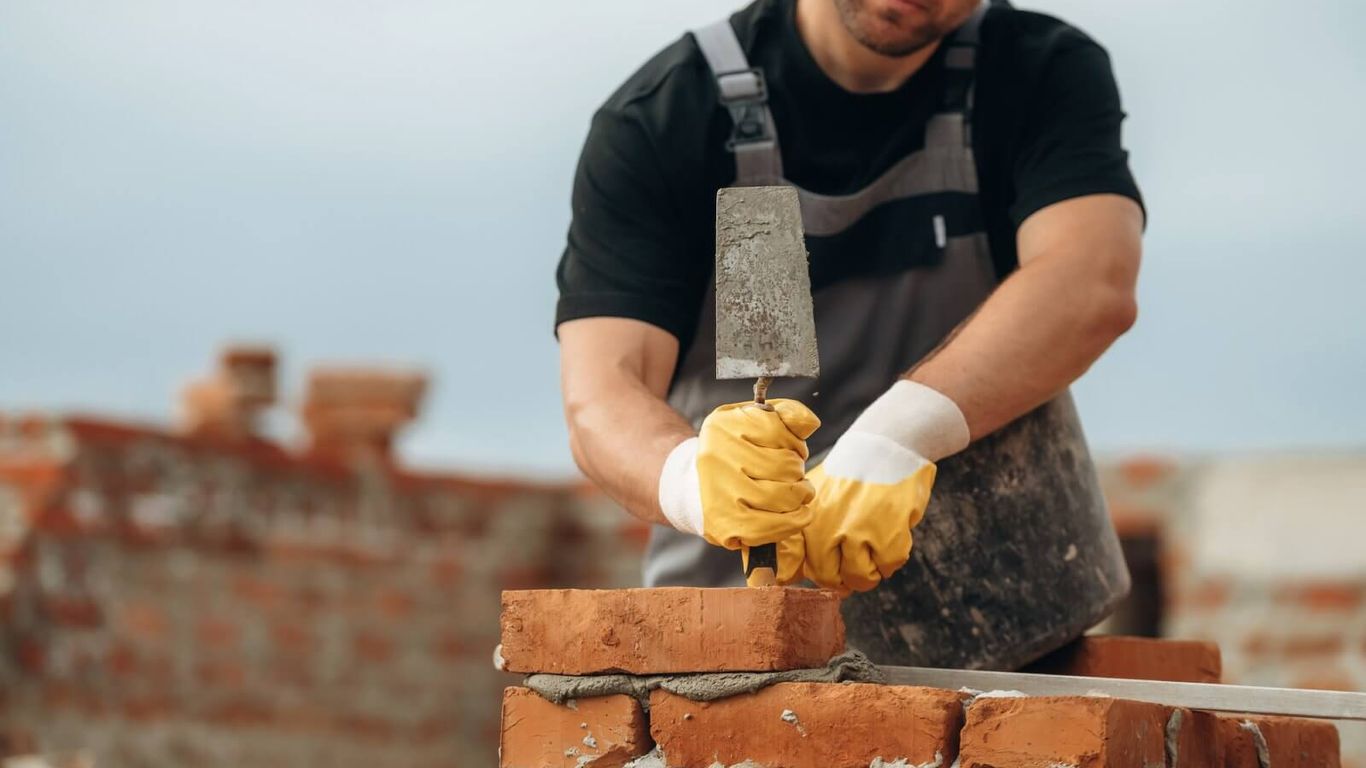
This is probably the tool you picture when you think of masonry. A brick trowel is your workhorse for scooping up mortar and spreading it onto the stones or the base where they’ll sit. They usually have a flat, wide blade, and the shape can vary a bit. Some have a pointed tip for getting into corners, while others are more rectangular. The size matters too; a smaller one might be easier for beginners, but a larger one lets you grab more mortar at once, which speeds things up when you’re laying a lot of stone.
Pointing Trowels for Detailed Work
When you need to get into smaller spaces or do some fine-tuning, a pointing trowel is your go-to. It’s much smaller than a brick trowel, with a narrower blade. This makes it perfect for filling in small gaps, cleaning up excess mortar around the edges, or working in tight spots where a bigger trowel just won’t fit. Think of it as the detail brush for your masonry project. You can really get precise with this one.
Margin Trowels for Mixing and Scraping
These little guys are super handy. A margin trowel has a flat, often rectangular blade, and it’s great for mixing up small batches of mortar right on the spot if you need a bit more. They’re also excellent for scraping off stubborn bits of mortar that have dried on or for cleaning up your work area. Because they’re small and flat, they can get into corners and tight spaces really well, kind of like a putty knife but much tougher.
Jointers for Mortar Joint Aesthetics
Once the stones are in place and the main mortar is spread, you’ve got to finish the joints. That’s where jointers come in. They’re used to shape the mortar between the stones. Different jointers create different looks. You’ve got concave jointers that make a rounded, weather-resistant groove, and others that create a flat or V-shaped joint. A well-tooled joint not only looks good but also helps keep water out, making your stonework last longer.
Here are a few common types of jointers:
- Concave Jointer: Creates a rounded, smooth joint that sheds water well.
- V-Jointer: Makes a "V" shaped groove, adding a bit of visual definition.
- Raking Jointer: Used to create a recessed joint, often for a more rustic look.
Using the right trowels and jointers isn’t just about making things look pretty. It’s about creating a durable structure. The way you shape and finish the mortar joints can affect how well the wall sheds water and how long it lasts. Don’t skip this step – it’s where the real craftsmanship shows.
Choosing the right trowel is a big part of the job. For general spreading and laying, a standard brick trowel is what most masons rely on. But for those fiddly bits and cleanup, having a pointing or margin trowel is a lifesaver. And don’t forget the jointers; they’re the final touch that makes all the difference in the appearance and longevity of your stone project.
Cutting and Shaping Stone with Power Tools
When you’re dealing with stone, hand tools can only get you so far. For bigger jobs or when you need to make precise cuts quickly, power tools are a lifesaver. They don’t replace skill, but they sure do make the work go faster and a lot easier.
Masonry Saws for Large Blocks
For cutting through thick stone, concrete blocks, or large slabs, a masonry saw is your go-to. These are robust machines designed for heavy-duty work. They often use a large circular blade, usually with diamond grit, to slice through tough materials. Many masonry saws are designed for wet cutting, which helps keep dust down and cools the blade, making your cuts cleaner and extending the blade’s life. If you’ve got a lot of material to cut, especially on a larger project, a good masonry saw can save you a ton of time and effort. Some of the best masonry saws are built for both portability and power.
Angle Grinders for Versatile Cuts
An angle grinder is like the Swiss Army knife of power tools for stonework. You can attach different discs to it, but for stone, you’ll want a diamond blade. These grinders are fantastic for trimming edges, making quick cuts, or even smoothing surfaces. They’re more portable than a big masonry saw, making them great for on-site adjustments or smaller jobs. Just remember to always wear safety glasses and gloves when using one, as sparks and debris can fly.
Wet Saws for Dust-Free Precision
If dust is a major concern, or you need really clean, precise cuts, a wet saw is the way to go. Like masonry saws, they use water to cool the blade and suppress dust. Wet saws are often used for more detailed work, like cutting tiles or smaller stone pieces where accuracy is paramount. They produce a much cleaner edge than dry cutting methods, which can be a big help when you want your finished joints to look sharp.
Hammer Drills for Tough Materials
While not strictly for cutting, hammer drills are invaluable for preparing stone or concrete for other work. They combine a rotating action with a hammering motion, which is perfect for drilling holes in hard materials. You might need this to set anchors, create openings, or prepare surfaces for fasteners. They make short work of materials that would be impossible to drill with a standard drill.
Choosing the right power tool for the job is about matching the tool’s capability to the task at hand. Don’t underestimate the importance of quality blades and discs; they make a huge difference in performance and the final look of your work.
When picking out power tools, think about the materials you’ll be working with most often and the scale of your projects. A good angle grinder with diamond blades can handle a surprising amount of work, but for serious cutting, a dedicated masonry saw is hard to beat. Always prioritize safety gear – it’s not optional when you’re dealing with power tools and hard materials.
Mixing and Material Handling for Stone Projects
Getting the mortar mix just right is a big deal for any stone project. It affects how strong the final wall is, how it looks, and how long you have to work with it before it sets up. For small fixes, you can probably get away with mixing by hand, but for anything bigger, you’ll want some help.
Mortar Mixers for Consistent Batches
If you’re doing more than just a quick repair, a mechanical mixer is the way to go. It makes sure your mortar is mixed evenly every time. A portable mortar mixer is usually enough for most jobs. When you’re picking one out, think about how easy it is to load, how well it mixes, and how simple it is to clean up afterward. The size of the drum matters too – too small and you’ll be mixing all day, too big and you might waste materials.
A consistent mortar mix is the backbone of a durable and attractive stone structure. Don’t underestimate the difference a good mix makes.
For professional results and to save your back, consider looking into mortar mixers that can handle your typical batch sizes efficiently.
Mixing Pans and Buckets
These are your go-to for smaller jobs or when you need to mix up a small amount of mortar on the fly. They’re simple, portable, and easy to clean. You can also use them for carrying water or other materials around the site. Sometimes, a sturdy mixing tub can even take the place of a wheelbarrow if you’re working in a tight spot where a wheelbarrow just won’t fit.
Mortar Hoes for Manual Mixing
If you’re mixing by hand, a mortar hoe is a must-have. It’s designed specifically for mixing mortar, with a wide blade that helps you turn and blend the materials effectively. It makes the process a lot less strenuous than using a regular shovel. You’ll want one with a good, long handle for better leverage.
Wheelbarrows for Site Transport
Moving materials around the job site can take up a lot of time and energy. A good wheelbarrow makes a huge difference. Look for one that’s built tough, with comfortable handles and tires that can handle rough ground. A well-balanced wheelbarrow will make hauling bricks, stone, and mixed mortar much easier. It’s not just about moving stuff; it’s about moving it safely and efficiently, which is key to optimizing your workflow.
Specialty Stone Masonry Tools for Unique Finishes
Sometimes, a standard finish just won’t cut it. That’s where specialty tools come into play, letting you add those unique touches that really make a project pop. Think rustic charm or intricate patterns – these tools help you get there.
Stone Splitters for Rustic Looks
For that old-world, hand-hewn stone appearance, a stone splitter is your go-to. It’s designed to cleave stone along its natural fault lines, creating a rough, natural edge. This is perfect for creating accent walls or features that look like they’ve been there for ages. Using a stone splitter requires a bit of practice to control the break, but the results are worth it. You’ll often see these used for creating natural-looking flagstone paths or rustic fireplace surrounds.
Concrete Stamps for Decorative Surfaces
While technically for concrete, these are often used in conjunction with stone projects, especially when creating patios or walkways that blend different materials. Concrete stamps come in a huge variety of patterns – from natural stone textures to geometric designs. You press them into wet concrete to give it the look of quarried stone, slate, or brick. It’s a way to get a high-end look without the cost of actual stone in some applications. Many masons use these to create a cohesive look between concrete elements and surrounding stonework.
Masonry Brushes for Texturing
These aren’t your average paintbrushes. Masonry brushes, often made with stiff natural or synthetic bristles, are used to add texture to mortar joints or even directly to stone surfaces. You can drag them through wet mortar to create a specific joint profile or use them to lightly brush over surfaces for a more weathered or aged look. Different brush types can create different effects, from a subtle stipple to a more pronounced roughing. They are also handy for cleaning off excess mortar before it hardens.
Specialty finishes can really set a project apart. They allow for a level of customization that standard techniques don’t always provide. Whether it’s the rugged look of split stone or the patterned appeal of stamped concrete, these tools offer masons a broader creative palette. They’re not just about making things look good; they can also add character and a unique story to the structure.
Wrapping It Up
So, there you have it. Having the right gear makes a huge difference when you’re working with stone or brick. It’s not just about getting the job done, but doing it right, making things look good, and not making a mess. From your trusty trowel and hammer to your measuring tape and maybe even a saw, each tool plays its part. Picking good quality stuff means it’ll last longer and work better, saving you headaches down the line. Keep your tools clean and in good shape, and they’ll help you build things that last. Happy building!
Frequently Asked Questions
What are the most important tools for starting stone masonry?
For beginners, focusing on basic hammers, chisels, a good level, a tape measure, and a sturdy trowel is key. These tools will help you get a feel for shaping stone and laying materials correctly without getting overwhelmed.
Why are different types of hammers and chisels needed?
Different hammers and chisels are used for various tasks. A heavier hammer might be for breaking larger pieces, while a lighter one with a chisel end is for splitting or shaping. Chisels come in different shapes to make clean cuts, rough shaping, or detailed work.
How do I make sure my stone work is straight and even?
Using a spirit level is crucial to ensure your stones are perfectly straight and vertical. Mason’s string lines help you keep entire rows aligned, and a tape measure ensures everything is the right size and in the right place.
What tools are best for cutting stone?
For basic cuts, an angle grinder with a diamond blade works well for many jobs. For cleaner, dust-free cuts, especially on harder stones, a wet saw is a great option. For very large blocks, a dedicated masonry saw is often used.
How important is the mortar mix, and what tools help?
The mortar mix is super important for how strong and workable your project is. For small jobs, mixing pans and buckets are fine. For bigger projects, a mortar mixer makes sure the mix is just right every time, saving you a lot of effort.
Are power tools necessary for stone masonry?
While many tasks can be done with hand tools, power tools like angle grinders and hammer drills can make cutting, shaping, and drilling much faster and easier, especially on tougher materials or larger projects. They help improve efficiency and precision.