So, you’ve got a masonry project in mind. Maybe it’s a new patio, fixing up that old chimney, or even a bigger job like a new wall. Whatever it is, finding the right masonry contractor is a big deal. You want someone who knows their stuff, does good work, and won’t break the bank. It can feel like a lot to figure out, but don’t worry, we’ll walk through how to find that perfect masonry contractor for your needs.
Key Takeaways
- Clearly define what you need for your masonry project before you start looking for a contractor.
- Check out a contractor’s past work and experience to make sure they’re a good fit.
- Always get multiple quotes and compare them, but don’t just pick the cheapest one.
- Ask for references and check them, and look at their previous projects if possible.
- Make sure the contractor is licensed, insured, and communicates well with you throughout the process.
Finding the Right Masonry Contractor
So, you’ve got a masonry project in mind. Maybe it’s a new patio, a crumbling chimney, or perhaps you’re looking to add some classic brickwork to your home. Whatever it is, picking the right person for the job is a big deal. It’s not just about finding someone who can lay bricks; it’s about finding a skilled professional who understands the materials, your vision, and can deliver a result that lasts.
Understanding Your Project Needs
Before you even start looking for contractors, take a moment to really think about what you want. What’s the main goal of this project? Is it purely aesthetic, like adding a decorative stone wall, or is it more about structural integrity, like repairing a load-bearing wall? Knowing this will help you narrow down the type of contractor you need. Some masons specialize in historical restorations, while others are great with modern construction.
Here are a few things to consider about your project:
- Scope of Work: Are we talking about a small repair, a full renovation, or a brand-new build?
- Materials: What kind of bricks, stones, or mortar are you envisioning? Different materials have different requirements.
- Budget: Having a realistic budget in mind from the start is always a good idea.
- Timeline: When do you need the project completed?
Assessing Contractor Experience
Once you have a clearer picture of your project, it’s time to look at potential contractors. Don’t just go for the first name you find. Look for masons with a solid track record. How long have they been in business? Do they have experience with projects similar to yours? A contractor who has tackled many chimney repair jobs will likely have a better handle on those specific challenges than someone who only does patios. It’s also worth asking if they have any specific certifications or training that’s relevant to your project.
Verifying Credentials and Insurance
This is a really important step, and one you absolutely shouldn’t skip. Always verify that a contractor is properly licensed and insured. This protects you in case of accidents or unforeseen issues on the job. Ask for proof of their insurance and check their license status with your local licensing board. A reputable contractor will be happy to provide this information. It shows they are professional and serious about their business.
Finding a qualified masonry contractor involves more than just a quick search. It requires a bit of homework to ensure you’re partnering with someone who has the right skills, experience, and credentials to bring your project to life safely and effectively.
Evaluating Potential Masonry Contractors
So, you’ve figured out what you need done with your masonry project. That’s a big step! Now comes the part where you sift through the options to find the right person or team for the job. It’s not just about picking the first name you see; it’s about doing a little homework to make sure you’re not setting yourself up for a headache later. Think of it like hiring someone to fix your car – you want someone who knows what they’re doing, right? The same applies here.
Requesting and Reviewing Estimates
Getting estimates is your first real look at what different contractors think your project will cost. Don’t just grab the lowest number and run. A good estimate should be detailed. It should break down the costs for materials, labor, and any other expenses. If an estimate is vague, it’s a red flag. You want to see exactly what you’re paying for.
Here’s what to look for in a solid estimate:
- Scope of Work: A clear description of exactly what they plan to do.
- Materials: What kind of bricks, mortar, or other materials will be used? Are they good quality?
- Labor Costs: How many hours do they estimate? What’s the hourly rate?
- Timeline: When do they expect to start and finish?
- Payment Schedule: How and when do you need to pay?
- Contingency: Is there a buffer for unexpected issues?
It’s important to get at least three detailed estimates to compare. This helps you spot outliers and get a realistic picture of the market rate for your project. A contractor who offers a free, detailed quote can really help you see your project take shape before any work begins.
Checking References and Portfolios
Estimates are one thing, but seeing proof of their work is another. Ask for references from past clients, especially for projects similar to yours. Don’t be shy about calling them! Ask about their experience with the contractor – were they on time? Did they stick to the budget? Was the communication good? A contractor who can handle various needs is often a good sign.
Also, ask to see a portfolio. This is usually a collection of photos of their completed projects. Look at the quality of the work. Does it look neat? Are the lines straight? Does the finished product match what the client wanted?
When you’re looking at a contractor’s past work, pay attention to the details. Are the mortar joints consistent? Is the brickwork level? These small things can tell you a lot about the contractor’s attention to detail and overall skill level. It’s the difference between a job that just looks okay and one that truly stands the test of time.
Assessing Communication and Professionalism
How a contractor communicates with you from the very beginning is a huge indicator of how the project will go. Do they return your calls or emails promptly? Do they explain things clearly, without using a lot of confusing jargon? Are they polite and respectful?
Think about these points:
- Responsiveness: How quickly do they get back to you?
- Clarity: Do you understand what they’re saying?
- Professionalism: Do they seem organized and knowledgeable?
- Attitude: Are they willing to answer your questions?
If a contractor is hard to get a hold of or seems dismissive of your concerns early on, it’s probably not a good sign for the rest of the project. You want someone you can trust and work with comfortably for the duration of your masonry work.
Key Considerations for Your Masonry Project
When you’re planning a masonry project, whether it’s a new build, a repair, or a renovation, there are a few things you’ll want to keep in mind to make sure everything goes smoothly. It’s not just about picking pretty bricks; there’s a lot more to it.
Material Quality and Durability
The materials your contractor uses are super important. They’re the foundation of your project’s longevity. You want materials that look good, sure, but more importantly, they need to hold up against the weather and time. Think about the type of brick, stone, or mortar. Different materials have different strengths and weaknesses. For instance, some stones are more porous and might need sealing to prevent water damage, especially in climates with freeze-thaw cycles. Always ask your contractor about the specific materials they plan to use and why they’re a good fit for your project and location. Using the finest materials on the market is key to ensuring your project stands the test of time.
Budget-Friendly Solutions
Let’s be real, budget is always a big factor. You want quality work, but you also don’t want to break the bank. A good contractor will work with you to find solutions that fit your financial plan without cutting corners on quality. This might involve suggesting alternative materials that offer a similar look and durability at a lower cost, or phasing the project if it’s a larger undertaking. It’s about smart choices, not just cheap ones.
Project Timelines and Efficiency
Nobody likes a project that drags on forever. Discussing timelines upfront is a good idea. How long does the contractor expect the job to take? What are the key milestones? Understanding the schedule helps you plan and manage expectations. A contractor who works with haste and accuracy can keep your project on track, minimizing disruptions to your daily life or business operations. It’s about getting the job done right, and done efficiently.
When you’re looking at contractors, pay attention to how they talk about materials and timelines. Do they seem knowledgeable? Are they willing to explain things clearly? A contractor who communicates well about these details is usually a sign of a well-organized and professional operation. It’s these kinds of conversations that help you feel confident about the project’s success. Finding reputable professionals is the first step to a smooth process.
Here’s a quick rundown of what to consider:
- Material Sourcing: Where do they get their bricks, stones, and mortar? Are they reputable suppliers?
- Cost Breakdown: Does the estimate clearly show costs for materials, labor, and any other fees?
- Contingency Planning: What happens if unexpected issues arise? How will that affect the timeline and budget?
- Communication: How often will you receive updates on progress?
By thinking through these points, you’ll be much better equipped to make informed decisions and ensure your masonry project is a success from start to finish.
Ensuring Quality and Peace of Mind
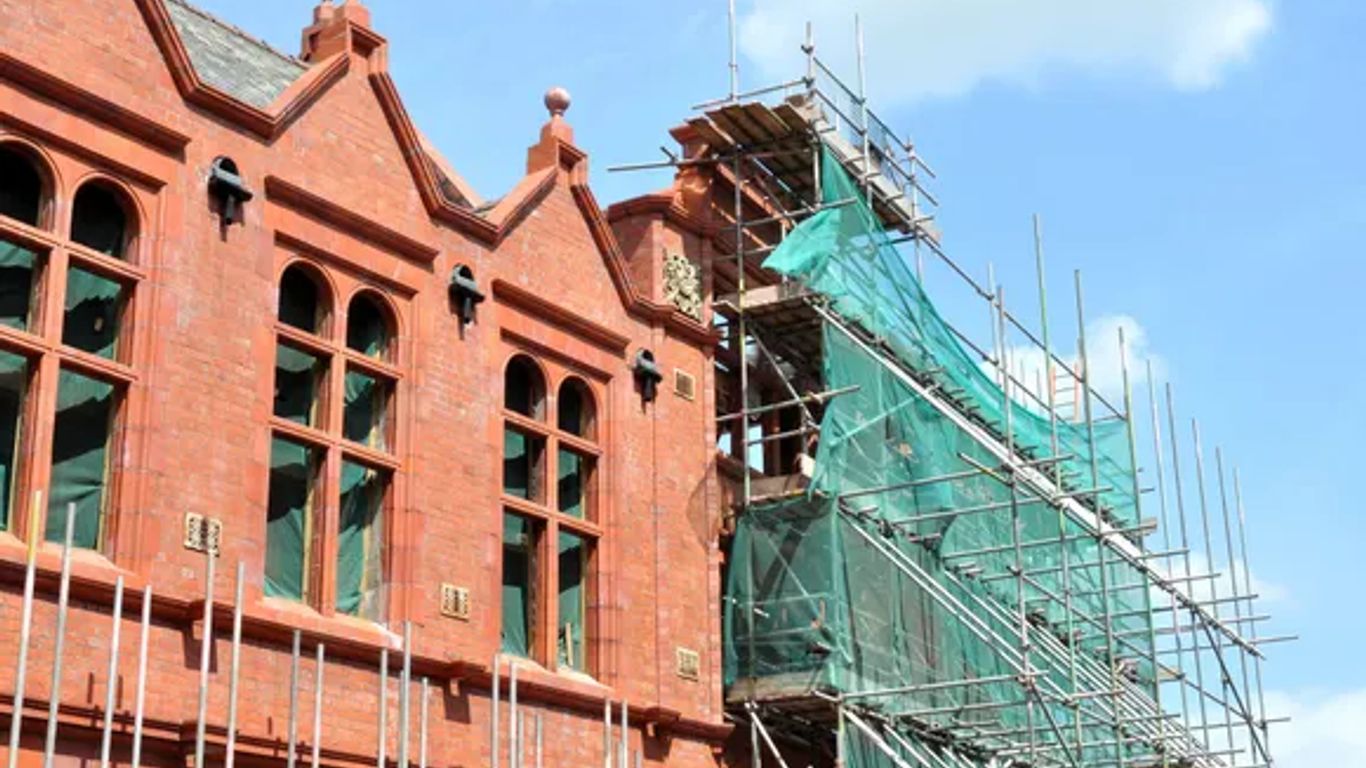
So, you’ve picked a contractor, signed the papers, and the work is underway. That’s great! But how do you make sure the job is done right and that you’re protected if something goes wrong? It’s all about understanding the guarantees and how you’ll pay for it all.
Understanding Warranties and Guarantees
When a contractor offers a warranty, it’s basically their promise that the work they did will hold up for a certain amount of time. This is super important for masonry because things like mortar joints or even individual bricks can settle or degrade over time, especially with weather changes. A good warranty covers defects in workmanship and sometimes even the materials used.
- Workmanship Warranty: This covers issues arising from how the job was done. Think about things like mortar cracking prematurely or bricks not being set correctly.
- Material Warranty: This usually comes from the manufacturer of the bricks, mortar, or other materials. It covers defects in the materials themselves.
- Duration: Pay attention to how long the warranty lasts. Some might be for a year, others for five, or even longer for certain types of work.
Always get the warranty details in writing. A verbal promise isn’t worth much when you need to make a claim.
The Importance of Financing Options
Masonry projects can sometimes be a big expense, and not everyone has the cash readily available. That’s where financing comes in. Many contractors offer payment plans or work with financing companies. This can make a needed repair or upgrade much more manageable. It’s good to know your options before you’re faced with a large bill.
Some common financing arrangements include:
- Interest-Free Periods: You might find offers for 0% interest for a set number of months, like 12 months. This can be a great way to spread out the cost without paying extra.
- Payment Plans: A structured plan to pay off the project over time, often with a set interest rate.
- Credit Card Acceptance: Some contractors accept major credit cards, which can offer their own rewards or buyer protections.
Looking into these options early can help you budget better and avoid financial stress down the line. You can explore financing options available that align with your project’s needs.
Post-Project Support and Maintenance
What happens after the last brick is laid or the final tuckpointing is done? A good contractor doesn’t just disappear. They should be available for follow-up questions and advice on how to care for your new masonry. Sometimes, they’ll even offer maintenance services to keep your work looking great and performing well for years to come.
Regular check-ins and advice on upkeep can prevent small issues from becoming big problems later on. It shows the contractor stands behind their work and cares about the long-term result.
Don’t hesitate to ask about their post-project support. It’s a sign of a professional outfit that’s invested in your satisfaction long after the job is finished. If you’re looking for a team that provides expert evaluations and discusses your goals, consider looking into quality masonry services.
Specialized Masonry Contractor Services
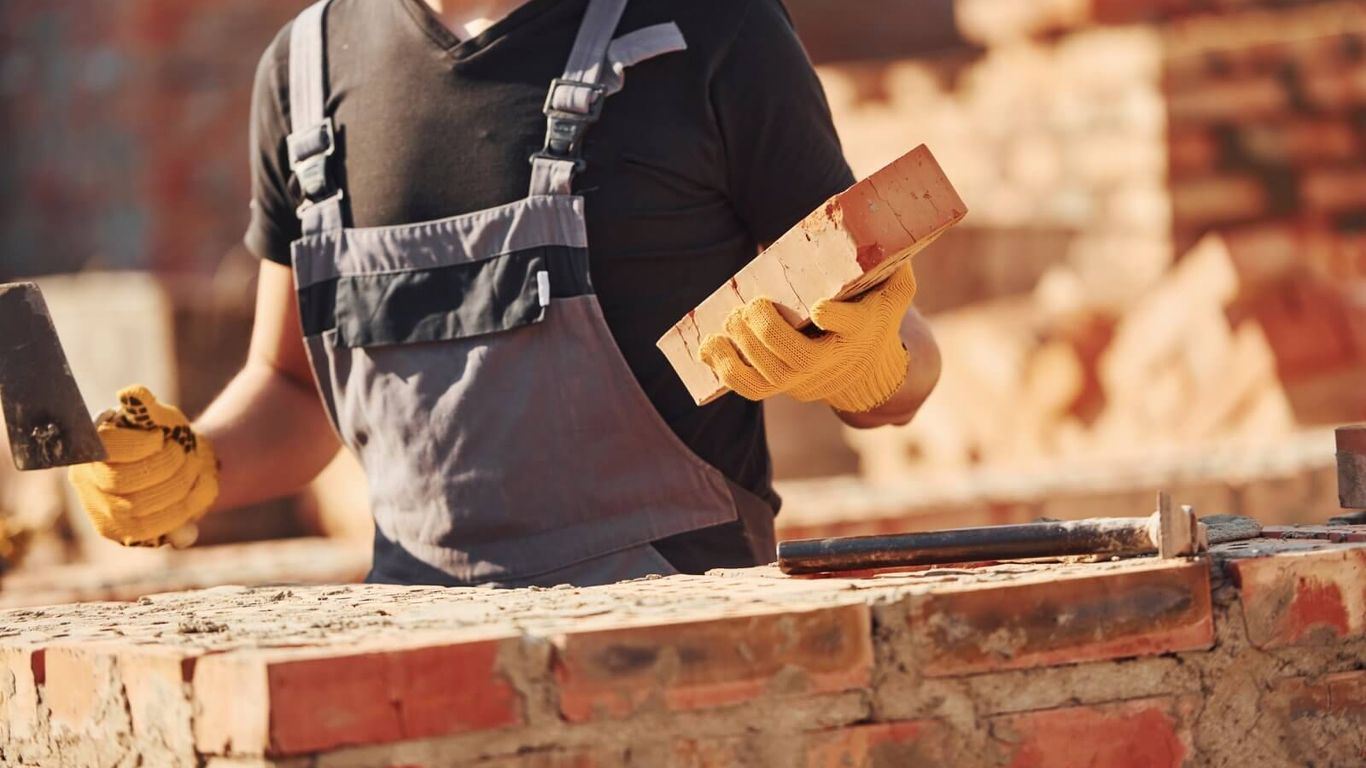
Sometimes, your masonry project isn’t a straightforward new build or a simple repair. It might involve fixing issues that popped up unexpectedly, dealing with building code problems, or correcting mistakes made during initial construction. That’s where specialized masonry services come in. These pros have the know-how to tackle more complex situations, making sure your building stays safe, looks good, and meets all the rules.
New Construction Corrections
It happens more often than you’d think: brand new buildings can sometimes have masonry problems. Maybe the flashing wasn’t installed quite right, or the tuckpointing looks a bit off. These aren’t just cosmetic issues; they can lead to water getting in where it shouldn’t, causing damage down the line. A contractor specializing in new construction corrections can come in, spot these potential problems early, and fix them before they become big, expensive headaches. They’ll check for things like:
- Improper flashing installation
- Poor tuckpointing or mortar work
- Incorrectly installed masonry components
- Potential water intrusion points
Getting these issues sorted out early protects your investment and makes sure your new building is solid.
Structural Masonry Repairs
When the very bones of your building are affected, you need someone who knows structural masonry. This isn’t just about replacing a few loose bricks. We’re talking about fixing things like failing parapet walls, replacing lintels (those beams over windows and doors that hold up the brickwork), or reinforcing load-bearing walls. These are critical repairs that keep your building safe and sound. A good structural mason will assess the damage and make sure the repairs are done right, using the proper materials and techniques to restore the building’s integrity. This kind of work is vital for preventing more serious structural failures down the road.
Building Violation Corrections
Dealing with building code violations can be a real pain. You might get a notice from the city about something related to your masonry – maybe it’s an issue with how something was built, or perhaps it’s related to safety standards. A masonry contractor experienced in building violation corrections can help you sort this out. They understand the local building codes and can perform the necessary repairs to get your property back into compliance. This often involves:
- Repairing damaged or unsafe masonry
- Ensuring proper flashing and waterproofing
- Correcting structural deficiencies
- Bringing the work up to current code standards
Getting these violations cleared means avoiding fines and keeping your property safe and legal. If you’re facing a situation like this, it’s smart to look for a contractor who knows how to handle building code issues.
Sometimes, specialized masonry services are exactly what you need to fix problems that aren’t obvious at first glance. Whether it’s correcting mistakes in new construction, reinforcing the structure, or getting a building code violation cleared, these experts have the skills to get the job done right. It’s about more than just looks; it’s about the safety and longevity of your property.
Need expert help with your masonry projects? We offer specialized services to make sure your buildings look great and stand strong. From fixing cracks to building new structures, we handle it all with skill. Visit our website today to learn more about how we can help you!
Wrapping Up Your Masonry Project
So, finding the right mason might seem like a big task, but it’s really about doing your homework. Ask questions, check references, and don’t be afraid to get a few quotes. A good contractor will be upfront about costs, timelines, and what they’ll do. Remember, a solid masonry job isn’t just about looks; it’s about making sure your building stays strong and safe for years to come. Taking the time to pick the right person for the job will save you headaches down the road, and you’ll end up with work you can be proud of.
Frequently Asked Questions
What should I look for when choosing a masonry contractor?
When picking someone for your masonry job, check if they have done similar work before. Ask to see pictures of their past projects and talk to people they’ve worked with. Make sure they are licensed and insured, which protects you if something goes wrong.
How do I get an estimate for my project?
Most contractors offer free estimates. You should ask a few different companies to come out and look at your project. They’ll give you a written quote that details the cost of labor and materials. This helps you compare prices and understand the scope of work.
What’s the difference between a masonry contractor and a general contractor?
A masonry contractor focuses specifically on brick, stone, and mortar work. A general contractor manages the entire project, coordinating different types of workers, like plumbers and electricians, along with masons. For a project that’s only about brick or stone, a masonry contractor is usually best. If it involves many different trades, a general contractor might be needed.
How long do masonry projects usually take?
Project times can vary a lot depending on the size and how complex the job is. Simple repairs might take a few days, while building a new wall or doing a large renovation could take weeks or even months. Always discuss the timeline with your contractor and get it in writing.
What are financing options for masonry work?
Many companies offer financing plans to make big projects more manageable. Some even have options like 12 months of interest-free financing. You can also ask if they accept major credit cards. It’s good to explore these options to find a payment plan that works for your budget.
Why is a warranty important for masonry work?
A warranty is like a promise from the contractor that their work will hold up. If something goes wrong with their repair or installation within a certain time, they’ll fix it. This gives you peace of mind and shows the contractor stands behind their quality.