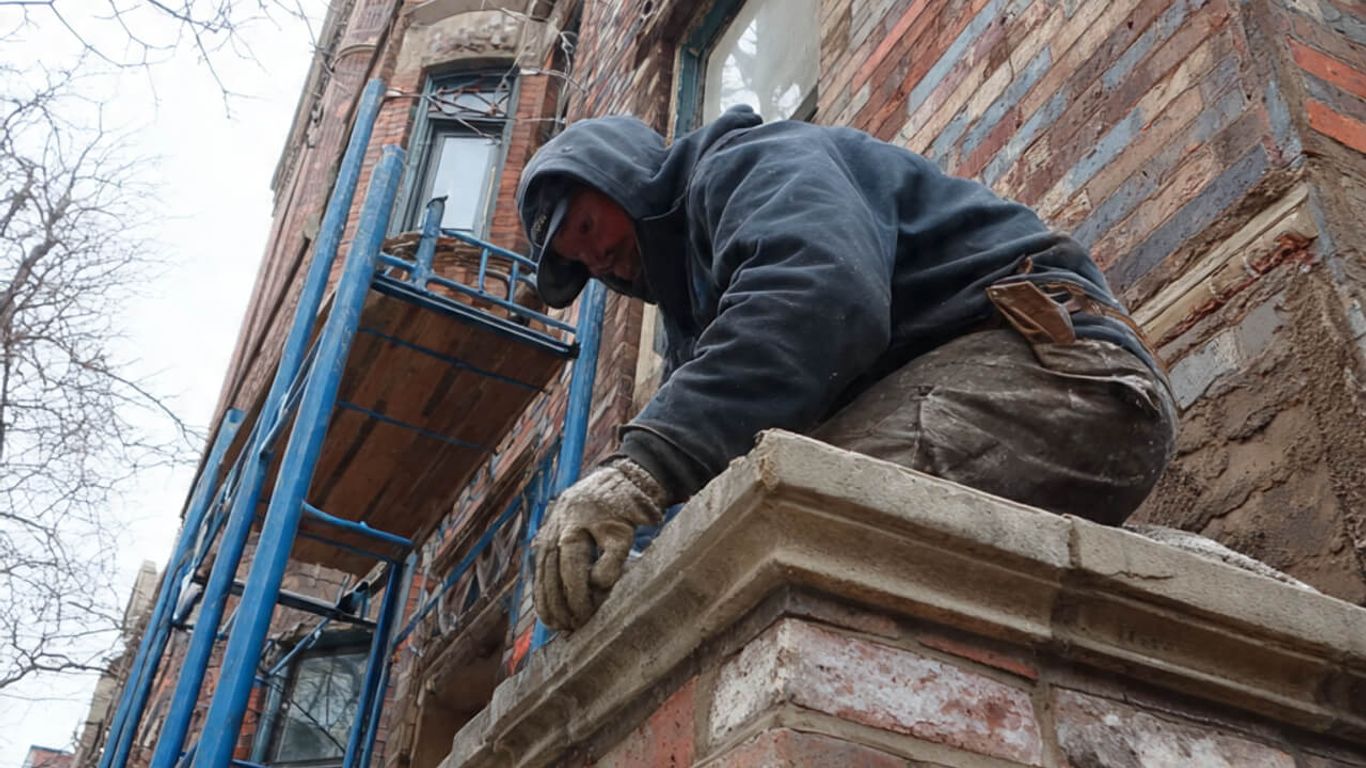
Old buildings have a certain charm, don’t they? But time and weather can really take their toll on brick and stone. That’s where masonry restoration comes in. It’s not just about making things look pretty again; it’s about keeping these structures safe and sound for years to come. Whether it’s a historic landmark or just your own home, giving your masonry the attention it needs is a smart move. We’ll walk through why it’s important and what goes into it.
Key Takeaways
- Spotting early signs of wear and tear on your masonry is key to preventing bigger problems down the road.
- Masonry restoration is more than just fixing things; it’s about bringing structures back to their original state, especially historic ones.
- Different techniques, from cleaning to structural repairs and mortar work, are used depending on what the masonry needs.
- Specialized restoration is vital for landmarks, commercial buildings, and even homes to preserve their character and function.
- Choosing the right team means finding people who know their stuff, care about historical accuracy, and communicate clearly.
Understanding Masonry Restoration Needs
Masonry structures, whether they’re grand historic landmarks or sturdy commercial buildings, have a lifespan. Over time, exposure to the elements, daily wear and tear, and even just the passage of years can take a toll. Recognizing the signs that your masonry needs attention is the first step toward preserving its beauty and structural integrity. It’s not always about a big, obvious collapse; often, the issues start small and can be easily missed if you’re not looking closely.
Identifying Signs of Deterioration
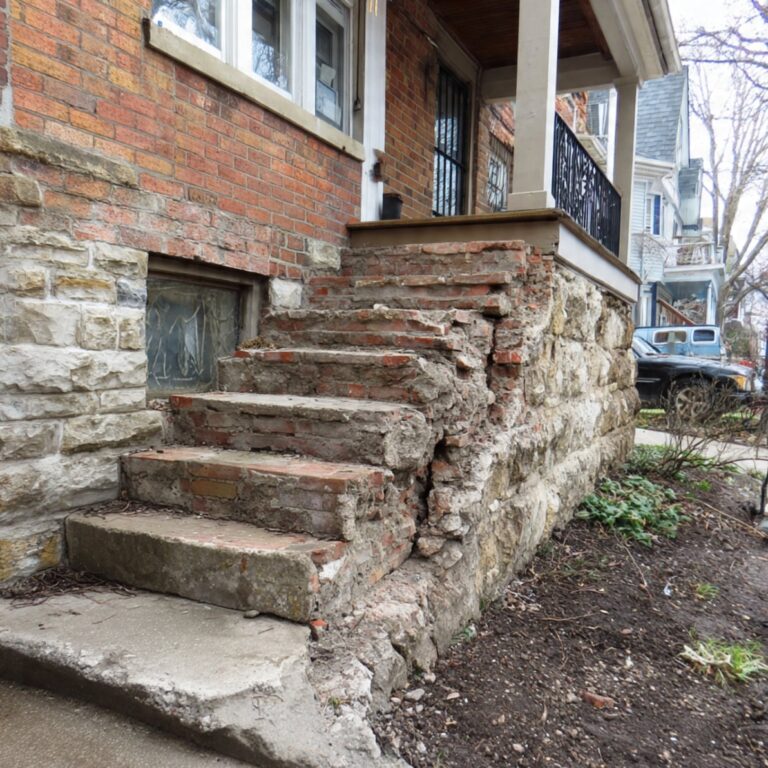
Spotting problems early can save a lot of headaches and money down the road. Keep an eye out for a few key indicators. Crumbling mortar, for instance, is a pretty clear sign that something’s up. If you can touch the mortar and it feels like sand, or if you see gaps wider than an eighth of an inch between bricks, water can start to seep in. That water can freeze and expand in the winter, making the problem even worse, leading to cracked or spalled bricks. You might also notice white powdery deposits on the brick surfaces – that’s efflorescence, a sign that water is moving through the masonry. Loose or missing bricks are another red flag, pointing to more serious mortar failure. And don’t forget to look for dark water stains, especially below windows, which suggest joints are failing and letting moisture inside. Regular inspections, even just a quick walk-around, can help catch these issues before they become major problems. It’s a good idea to get a professional condition assessment done periodically, especially on older buildings.
The Importance of Historic Masonry Restoration
Restoring historic masonry isn’t just about making an old building look good again; it’s about preserving a piece of history. These structures often have unique architectural details and were built with materials and techniques that might not be common today. When we talk about historic masonry restoration, we’re aiming to bring the building back to its original condition, or as close as possible, while also making sure it’s structurally sound for the future. This involves careful analysis of the original materials and methods, often using historically accurate replacements for bricks, stones, and mortar. It’s a delicate balance between respecting the past and ensuring the building can stand strong for generations to come. The General Services Administration offers resources that can guide these specialized efforts.
When to Prioritize Masonry Repair Over Restoration
Sometimes, a full-blown restoration isn’t necessary. If the damage is localized and doesn’t affect the overall historical character or structural integrity of the building, targeted repairs might be the way to go. For example, if you have a few cracked bricks or some deteriorated mortar joints that aren’t widespread, a repair might be more cost-effective and practical. Repair work focuses on fixing specific problems to stop further damage and restore functionality, whereas restoration is a more involved process of bringing the entire structure back to its original state. Deciding between the two often comes down to the extent of the damage, the building’s historical significance, and your budget. A professional can help you figure out the best approach for your specific situation.
It’s easy to think that masonry problems are just cosmetic, but often, what looks like a small crack or a bit of crumbling mortar is actually a sign that water is getting into your walls. That water can cause all sorts of hidden damage, from rusting steel supports to weakening the structure itself. Addressing these issues early, whether through repair or restoration, is key to keeping your building safe and sound for years to come.
Comprehensive Masonry Restoration Services
When your building’s masonry starts showing its age, it’s more than just a cosmetic issue. We tackle a wide range of services to bring your structure back to its best. Think of it as a full tune-up for your building’s exterior.
Facade Restoration and Cleaning Techniques
The facade is the face of your building, and over time, it can get pretty grimy. We use a variety of methods to clean and restore it. This can involve gentle pressure washing to remove dirt and mildew, or more specialized techniques like chemical cleaning for stubborn stains. For historic buildings, we’re careful to use methods that won’t damage the original materials. Our goal is to reveal the true beauty of your building’s facade without causing harm. We also handle paint removal if needed, using methods that are effective but also safe for the masonry.
Structural Masonry Repair and Stabilization
Sometimes, the issues go deeper than just looks. Cracks in walls, crumbling mortar, or shifting bricks can point to structural problems. We address these by reinforcing weakened areas, repairing load-bearing elements, and stabilizing walls. This might involve rebuilding sections of a wall or reinforcing them with specialized materials. It’s all about making sure your building is safe and sound for years to come. We pay close attention to things like parapet walls and steel lintels, which are often critical for a building’s stability.
Brick and Stone Replacement
Not all bricks or stones are built to last forever. When individual pieces are too damaged to repair, we carefully replace them. We source materials that match the original as closely as possible in color, size, and texture. This is especially important for older buildings where maintaining the original look is key. It’s a detailed process, but the result is a seamless repair that looks like it was always meant to be there.
Mortar Analysis and Tuckpointing
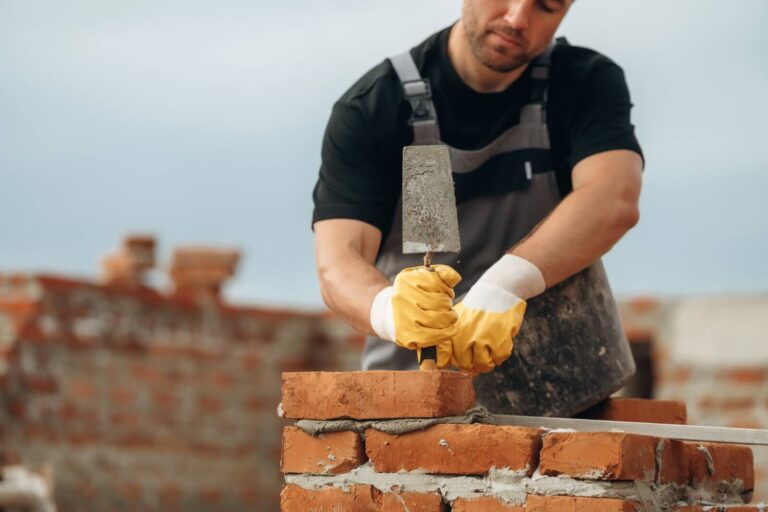
Mortar is the glue that holds your masonry together, and it’s often the first thing to show wear. We analyze the existing mortar to understand its composition. Then, we use historically accurate materials to repoint (or tuckpoint) the joints. This involves removing the old, deteriorated mortar and carefully filling the gaps with new mortar. It’s a meticulous job that not only improves the appearance but also prevents water from getting into the wall, which can cause much bigger problems down the line. A well-done tuckpointing job can significantly extend the life of your masonry.
Proper mortar analysis is key. Using the wrong type of mortar can actually cause more damage over time, especially in historic structures. It’s not just about filling the gaps; it’s about using the right ‘recipe’ for the specific building.
Specialized Restoration Applications
When we talk about masonry restoration, it’s not a one-size-fits-all situation. Different types of structures have unique needs, and our approach changes depending on what we’re working on. It’s all about respecting the building’s history while making sure it’s solid for the future.
Historic Landmark Preservation
Preserving historic landmarks is a big deal. These buildings tell a story, and we treat them with the care they deserve. Our work focuses on keeping the original look and feel, using materials that match what was there originally. This means a lot of research into old building techniques and materials. We’re not just fixing things; we’re acting as caretakers for pieces of history. It’s a delicate balance between repair and keeping things authentic. For these projects, understanding the specific needs of historic building restoration is key.
Commercial Building Facade Revitalization
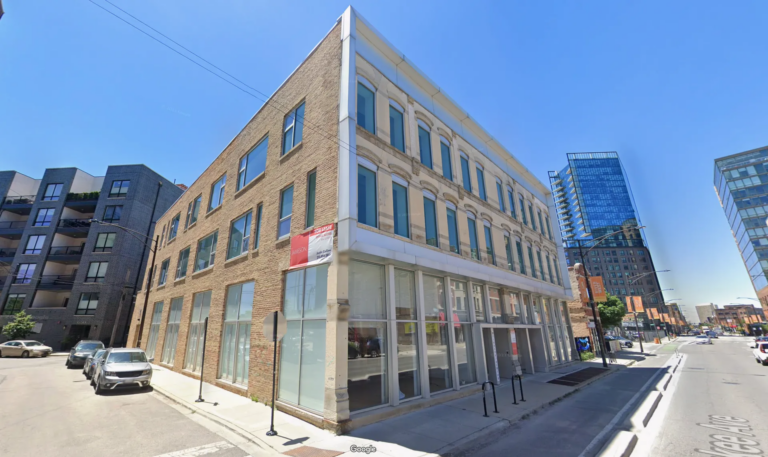
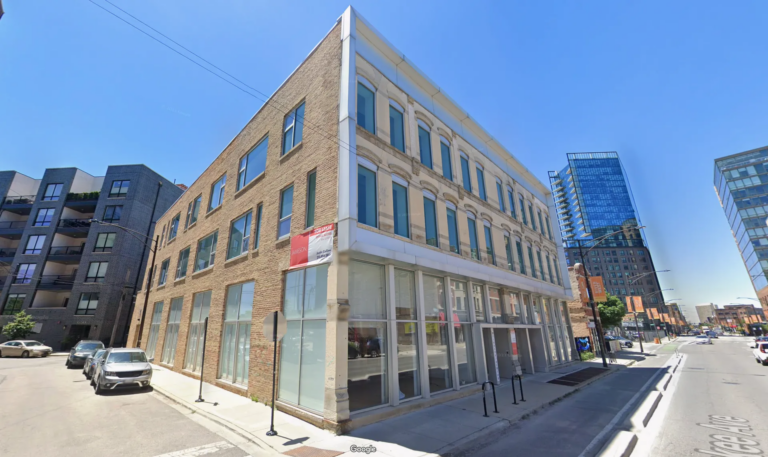
For commercial buildings, the facade is often the first impression. Over time, weather and pollution can really take a toll, making a business look run-down. We help businesses refresh their look, not just for aesthetics but also to prevent bigger problems down the line. This can involve cleaning away years of grime, repairing damaged brickwork, or even replacing sections of facade that have deteriorated. A well-maintained facade can boost a business’s image and even its value. We aim to bring back that original charm or give it a modern, clean look that stands out.
Residential Masonry Restoration
Homeowners often call us when they start noticing small issues with their brick or stone. Maybe it’s some crumbling mortar around the porch, or cracks appearing near windows. These might seem minor at first, but they can lead to bigger problems like water damage if not addressed. We work with homeowners to fix these issues, whether it’s a simple tuckpointing job or a more involved repair. Our goal is to protect your home and keep it looking great for years to come.
Here’s a quick look at what we often address:
- Cracked or missing mortar joints
- Spalling or damaged bricks/stones
- Efflorescence (white powdery stains)
- Water intrusion points
- General wear and tear from weather
Addressing these issues early on is much more cost-effective than waiting for them to become major structural problems. It’s about proactive care for your home’s exterior.
Advanced Techniques in Masonry Preservation
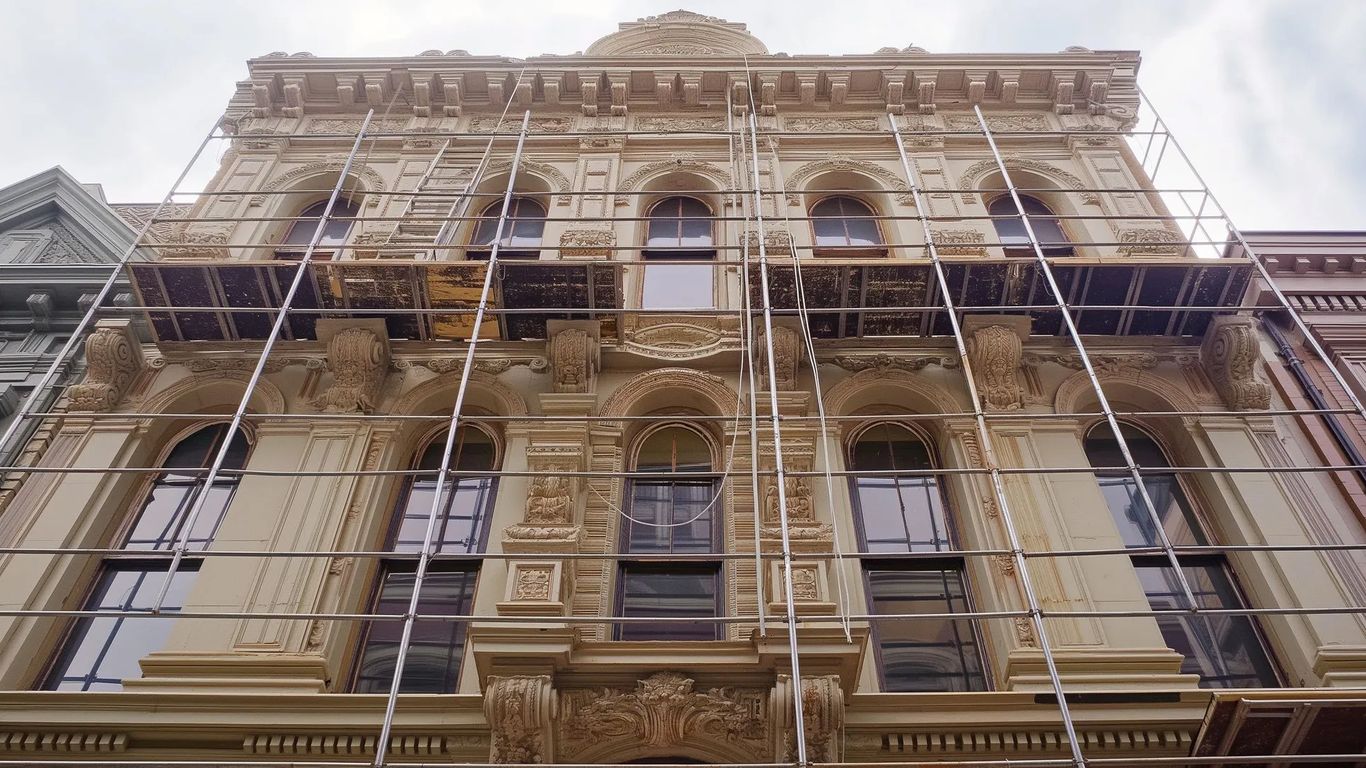
When it comes to keeping old buildings looking good and standing strong, we’ve got some pretty neat tricks up our sleeves. It’s not just about slapping on some new mortar; there’s a whole science to it. We’re talking about making sure water stays out, using special treatments for different kinds of stone, and fixing those bits that stick out at the top of walls or hold up doorways.
Waterproofing and Moisture Management
Water is the enemy of masonry. It seeps in, freezes, expands, and cracks everything. So, keeping water out is job number one. We use a few methods for this. Think of it like giving your building a good raincoat. We install special membranes, like flexible PVC or more rigid materials such as copper or aluminum, inside the walls. These act like tiny drainage systems, guiding any moisture that gets in back outside where it belongs. This is super important because hidden moisture can do a lot of damage, like ruining interior finishes or even causing steel supports, called lintels, to rust away.
Chemical Sealing for Porous Materials
Some materials, like certain types of stone or concrete blocks (CMU), are naturally a bit like sponges. They soak up water. To stop this, we use chemical sealers. These aren’t just coatings that sit on the surface; they actually soak into the material itself. They create a barrier deep down that stops water from getting in, but usually still lets the material breathe. This is key for protecting porous surfaces from freeze-thaw cycles and general wear and tear. Sometimes, we even need to reapply these sealers to walls that have been treated before, just to make sure that protective layer is still doing its job.
Lintel Replacement and Parapet Wall Repair
Lintels are those horizontal supports, often made of steel, that sit above windows and doors. Over time, they can rust and weaken, causing the masonry above them to sag or even crack. Replacing a corroded lintel before it becomes a major problem is way cheaper than dealing with a big structural failure later. Then there are parapet walls – the parts of the wall that stick up above the roofline. These guys take a beating from the weather. If the mortar joints or the caps on top get damaged, water gets in. When winter hits, that water freezes and expands, wrecking the wall. Sometimes, we have to take them down and rebuild them completely to make sure they’re solid and safe for years to come. It’s all about keeping those critical structural bits in good shape.
Keeping historic structures sound involves more than just cosmetic fixes. It requires a deep understanding of how materials interact with the environment and employing specific techniques to address vulnerabilities. This proactive approach prevents minor issues from escalating into major, costly repairs, thereby preserving the building’s integrity and value for the future.
Ensuring Quality and Longevity in Masonry Work
High-Quality Materials and Craftsmanship
When it comes to masonry restoration, using the right stuff and having skilled hands makes all the difference. It’s not just about slapping some mortar on a crack; it’s about picking materials that match the original building’s composition and applying them with care. Think of it like baking a cake – you need good ingredients and a baker who knows what they’re doing, or you end up with a mess. The longevity of any masonry project hinges on the synergy between superior materials and meticulous craftsmanship. This means sourcing bricks or stones that are compatible with the existing structure, not just whatever’s cheapest. For mortar, it’s about getting the mix just right – the correct sand, lime, and cement proportions are key to its performance and how it ages alongside the original masonry. Our team takes pride in this attention to detail, treating each project as if it were their own home. We believe that proper restoration is an investment in the future, not just a quick fix.
Code Compliance and Structural Integrity
Making sure a restored building is safe and up to par with current building codes is non-negotiable. This isn’t just about passing an inspection; it’s about the safety of everyone who uses the building and the structure’s ability to withstand time and the elements. We look at things like how walls are supported, how water is managed, and if any structural elements need reinforcement. For instance, replacing a corroded steel lintel above a window is a common repair that keeps the masonry above it from sagging or failing. Similarly, rebuilding parapet walls, which are exposed to a lot of weather, is vital to prevent water damage from creeping into the main structure. We make sure all repairs and replacements meet or exceed local building standards, so you don’t have to worry about violations or safety hazards down the line. It’s about building it right, the first time, every time.
Preventative Maintenance Strategies
Restoration isn’t a one-and-done deal. To keep that beautiful masonry looking good and standing strong for years to come, a little ongoing care goes a long way. Think of it like regular check-ups for your car. We recommend setting up a schedule for inspections, maybe annually or bi-annually, depending on the building’s age and location. During these check-ups, we can spot small issues, like minor cracks in mortar or signs of water buildup, before they turn into big, expensive problems. Catching efflorescence, which is that white powdery residue on brick, early can prevent deeper moisture issues. We also look at things like caulking around windows and expansion joints, which can dry out and crack over time, letting in water. Keeping these areas sealed is a simple but effective way to protect the whole structure. A good preventative maintenance plan can save a lot of headaches and money in the long run, keeping your building in top shape.
Here’s a quick look at what a maintenance plan might involve:
- Regular Inspections: Scheduled visits to check for wear and tear.
- Minor Repairs: Addressing small cracks, loose mortar, or efflorescence promptly.
- Cleaning and Sealing: Keeping surfaces clean and applying protective sealers where needed.
- Gutter and Drainage Checks: Ensuring water is directed away from the building’s foundation.
Proactive care is the cornerstone of preserving historic structures. It’s about understanding the building’s needs and responding before minor issues escalate into major structural concerns. This approach not only saves money but also respects the historical integrity of the building.
Choosing the Right Masonry Restoration Partner
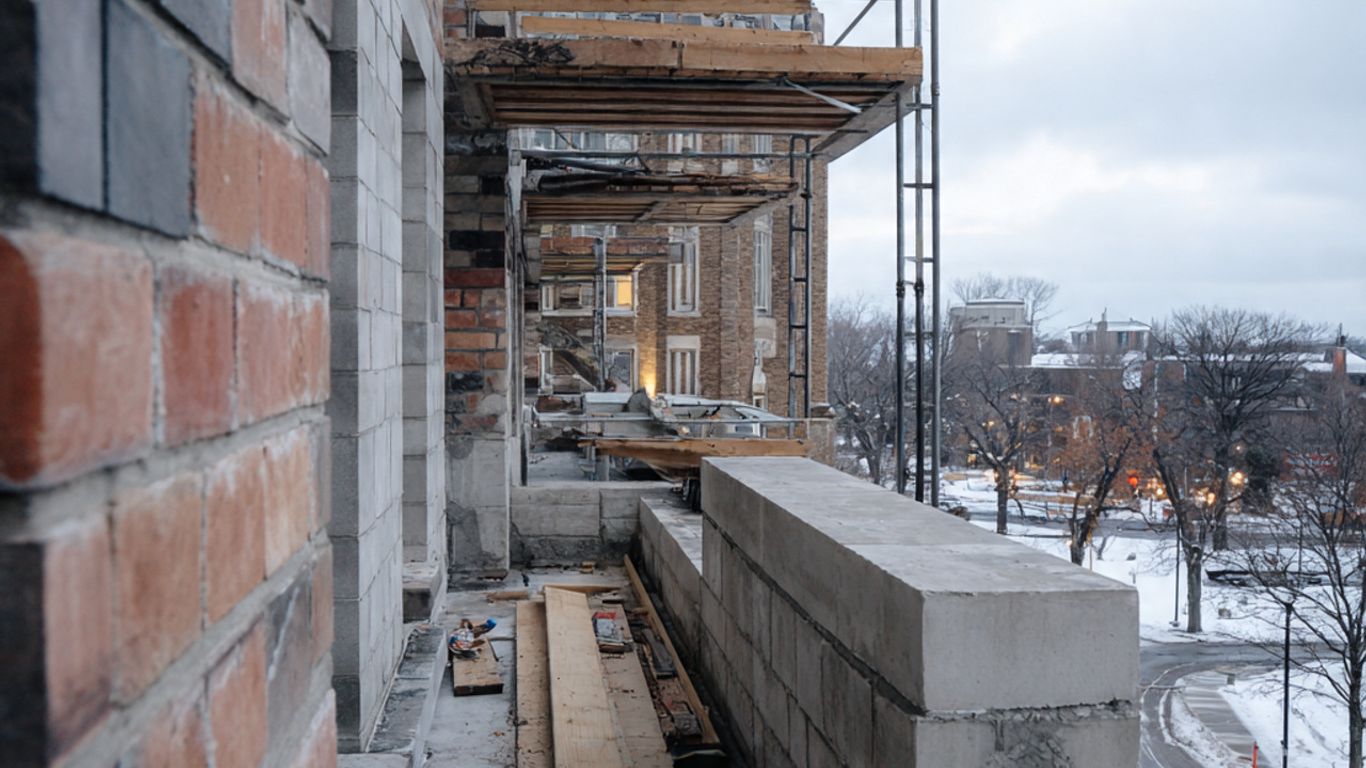
Finding the right team for your masonry restoration project is a big deal. It’s not just about fixing things; it’s about preserving history and making sure a building lasts for years to come. You want folks who know their stuff, care about the details, and won’t leave you guessing what’s going on.
Experience and Expertise in Masonry Restoration
When you’re looking for a masonry restoration company, check out how long they’ve been doing this kind of work. Have they handled projects similar to yours? For instance, restoring a historic landmark needs a different touch than fixing up a commercial building’s facade. A company with a solid track record in historic masonry restoration will understand the specific materials and techniques required to maintain a building’s original character. They should be able to show you examples of their past work, maybe even provide references from happy clients. It’s also good if they have certifications or belong to professional groups related to building preservation. This shows they’re serious about their craft.
Commitment to Preservation and Authenticity
This is super important, especially with older buildings. You want a partner who respects the original design and materials. They shouldn’t just slap on modern fixes that don’t match. A good restoration company will take the time to analyze the existing mortar, brick, or stone to find the closest possible match for replacements. They’ll use methods that are gentle on the historic fabric of the building. It’s about making repairs that are strong and last, but also look like they’ve always been there. They should be able to explain why they choose certain materials and methods, linking it back to preserving the building’s authenticity.
Transparent Communication and Project Management
Nobody likes surprises, especially when it comes to a big project. The best masonry restoration partners keep you in the loop. This means clear explanations from the start about what needs to be done, how long it will take, and what it will cost. They should provide regular updates as the work progresses, maybe through progress reports or scheduled check-ins. Having a dedicated project manager who is your main point of contact makes things much smoother. You should feel comfortable asking questions and know you’ll get straightforward answers. This kind of open communication builds trust and helps the project run without a hitch, from the initial quote to the final sign-off. It’s about working together to achieve the best outcome for your structure.
Picking the right company for your masonry repair project is a big decision. You want someone you can trust to do a great job and keep your building looking its best. We understand that choosing a partner is important, and we’re here to help make that choice easier. Visit our website to learn more about how we can help with your masonry needs.
Looking Ahead: Protecting Our Past for the Future
So, as we wrap up our look at masonry restoration in 2026, it’s clear that taking care of these old buildings isn’t just about making them look good. It’s about keeping a piece of history alive and making sure these structures can still be used and enjoyed for years to come. Whether it’s a grand old landmark or just a building down the street, the work of skilled masons is what keeps them standing strong. If you’ve got a property with some wear and tear, don’t wait too long to get it checked out. A little attention now can save a lot of headaches – and money – down the road. Reach out to the pros, get a quote, and help preserve the character of our communities.
Frequently Asked Questions
What are the first signs that my building’s masonry needs attention?
Keep an eye out for crumbling mortar, which might feel like sand when you touch it. You might also see small gaps between bricks, or white powdery spots on the walls called efflorescence. Dark water stains under windows are another warning sign. If you notice any of these, it’s a good idea to get it checked out.
What’s the difference between masonry repair and restoration?
Masonry repair is like fixing a specific problem, such as filling a crack or replacing a few damaged bricks. Restoration is a bigger job that aims to bring the whole masonry surface back to its original look and strength, especially for older buildings where keeping the original style is important.
Why is using the right kind of mortar so important?
Using the correct mortar is super important because it needs to be as strong as, but not stronger than, the bricks or stones it holds together. If the mortar is too hard, it can damage the masonry over time. Also, matching the original mortar’s color and texture helps keep the building’s historic look.
How can I protect my masonry from water damage?
Water is a major enemy of masonry! Proper waterproofing and making sure flashing (special materials that direct water away) is in good shape is key. Regularly checking and sealing any cracks or gaps in the mortar also helps keep water out and prevents damage, especially during freezing weather.
When should I consider replacing bricks or stones instead of just repairing them?
If bricks or stones are badly cracked, chipped, or have lost a lot of their surface, it’s usually best to replace them. Repairing severely damaged pieces might not be strong enough or look right. Replacing them ensures the wall is structurally sound and maintains its appearance.
How often should I have my building’s masonry inspected?
It’s a good idea to have your masonry inspected at least once a year, especially before winter. Regular check-ups can catch small problems like minor cracks or loose mortar before they turn into big, expensive issues. Think of it like getting regular check-ups for your health!