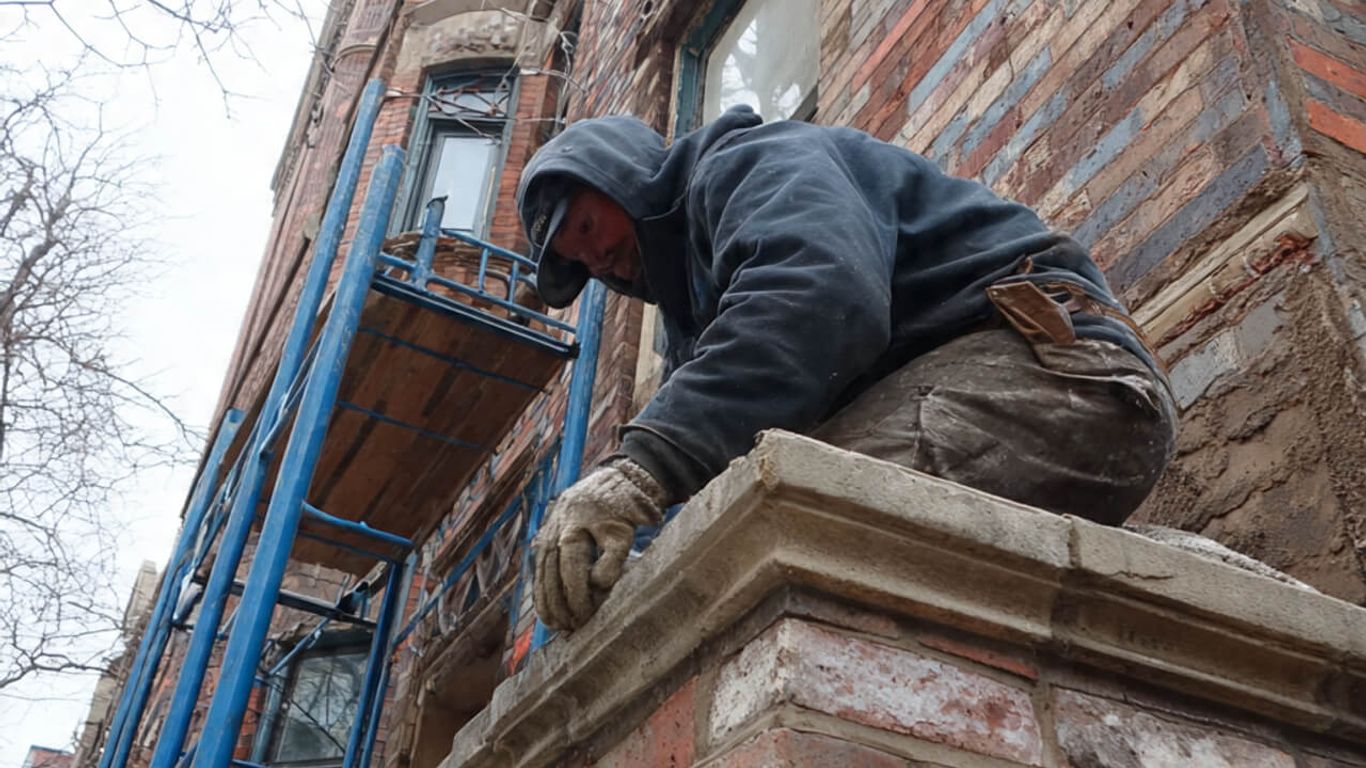
Your home is probably your biggest investment, and keeping it in good shape is super important. The brickwork on your house isn’t just for looks; it’s a big part of keeping things solid and safe. Over time, the mortar holding those bricks together can start to break down. This isn’t just a cosmetic issue – it can lead to bigger problems down the road if you don’t deal with it. Luckily, there are experts who can fix it up, making sure your home stays strong and looks great.
Key Takeaways
- Watch out for signs like crumbling mortar, gaps between bricks, or loose bricks, as these indicate a need for brick mortar repair.
- Fixing mortar problems early prevents water damage, structural issues, and more expensive repairs later on.
- Professional brick mortar repair involves carefully removing old mortar, matching new mortar to your existing bricks, and applying it correctly.
- Structural elements like lintels and parapet walls also need attention, and specialized repairs are vital for your home’s safety.
- Regular inspections and preventative measures, like waterproofing, can help extend the life of your brickwork and avoid future problems.
Understanding Brick Mortar Repair
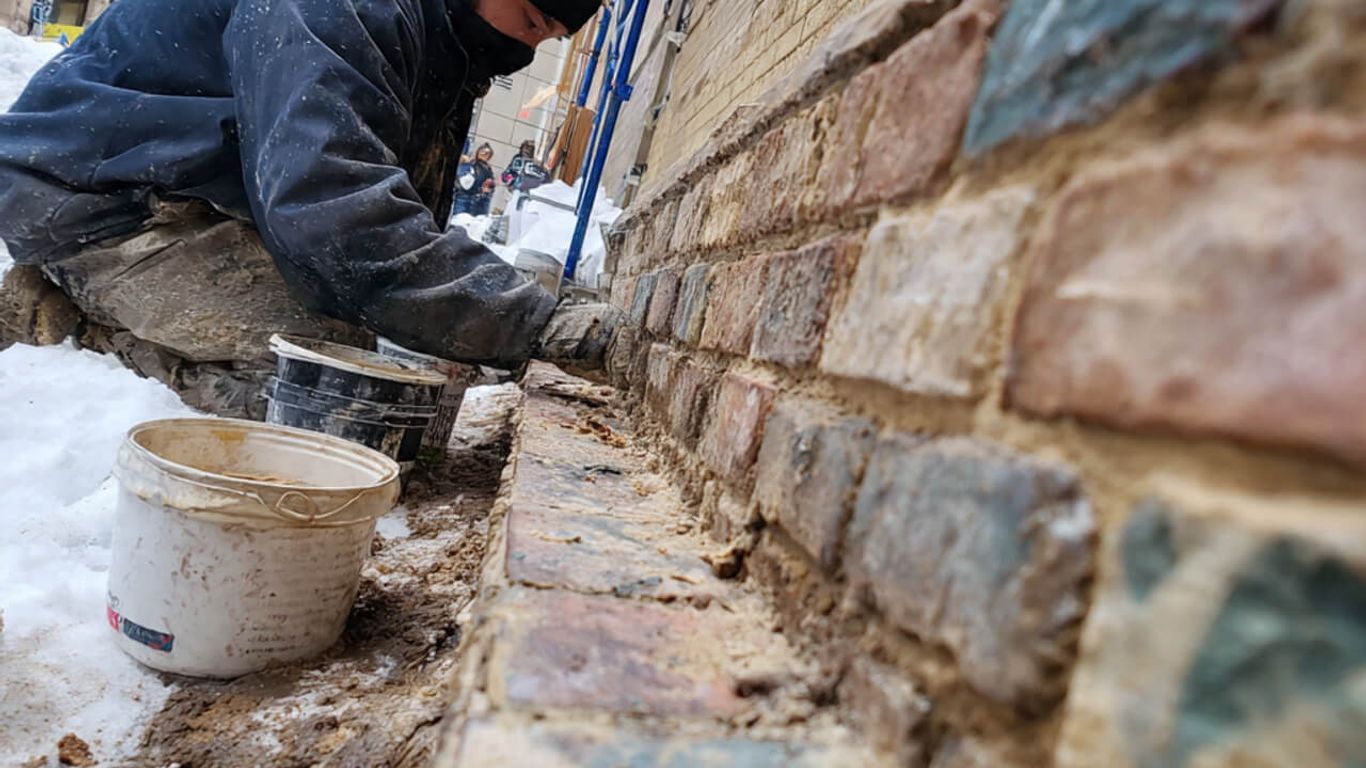
When you look at your house, the brickwork is a big part of its look and how strong it is. The mortar holding those bricks together isn’t just filler; it’s a key structural component. Over time, though, this mortar can start to break down. This section is all about getting a handle on what that means and why it’s important to pay attention to it.
Spotting problems early can save you a lot of headaches and money down the road. You don’t need to be a masonry expert to notice when things aren’t right. Keep an eye out for these common issues:
- Crumbling or Powdered Mortar: If the mortar between your bricks feels like sand or turns to powder when you touch it, that’s a clear sign it’s deteriorating. This is often one of the first things people notice.
- Receding or Missing Mortar: You might see gaps where the mortar used to be, or it might have pulled away from the bricks. If you can see more than a quarter-inch depth of the brick face because the mortar is gone, it’s definitely time for a look.
- Cracks in the Mortar Joints: Small cracks can let water in, which then freezes and expands in colder weather, making the cracks worse. These can be hairline or more noticeable.
- White Powdery Residue (Efflorescence): This chalky stuff on the surface of your bricks means water is moving through the mortar, picking up salts, and leaving them behind as it dries. It’s a sign that moisture is getting into your walls.
- Loose or Missing Bricks: If bricks are starting to fall out, it’s a serious indicator that the mortar holding them in place has failed significantly.
- Water Stains: Dark stains below windows or on walls can point to failed mortar joints allowing water to seep inside.
Ignoring these signs is like ignoring a small leak in your roof. It might seem minor at first, but it can lead to much bigger, more expensive problems later on, like structural damage and interior water intrusion.
Why bother fixing mortar right away? Well, it’s all about protecting your home. Mortar does more than just hold bricks together; it seals your walls against the elements. When it starts to fail, your home becomes vulnerable.
- Preventing Water Damage: Bad mortar lets water seep into your walls. This can lead to mold, rot, and damage to insulation and interior finishes. In colder climates, trapped water freezes and expands, causing bricks to crack and spall (flake or chip).
- Maintaining Structural Integrity: Mortar is a critical part of your home’s structural system. Over time, significant mortar failure can weaken walls, leading to bowing, cracking, or even more serious structural issues. Addressing it early prevents these larger problems.
- Saving Money: Small repairs now are almost always cheaper than major repairs later. Letting mortar problems get worse can turn a simple tuckpointing job into a costly rebuild.
- Preserving Aesthetics: A well-maintained brick facade looks great. Deteriorated mortar can make your home look neglected and can significantly impact its curb appeal and value.
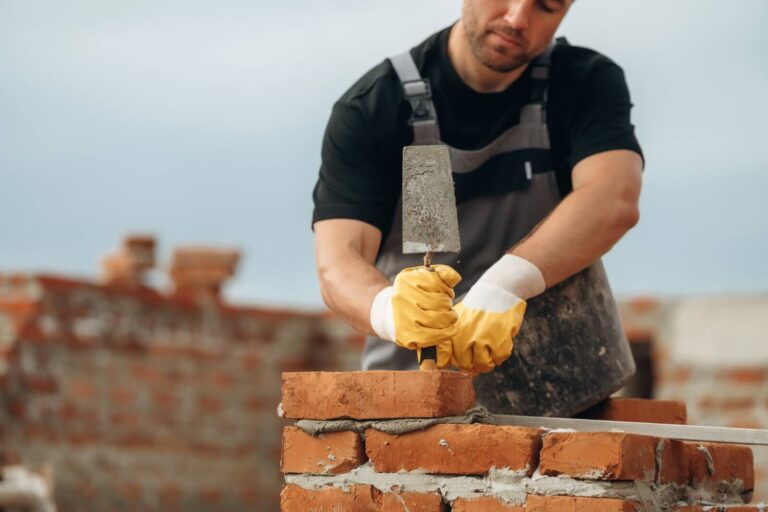
When you call in the pros, they’re not just slapping some new stuff in there. Professional mortar repair, often called tuckpointing or repointing, is a careful process. It involves several steps to make sure the repair is strong, durable, and looks good:
- Inspection and Assessment: A professional will first examine the extent of the damage, identify the type of mortar used originally (which is important for matching), and determine the best approach.
- Removal of Old Mortar: Using specialized tools, they carefully grind out the deteriorated mortar to a specific depth (often about 3/4 inch) without damaging the surrounding bricks. This ensures the new mortar has a solid base to bond to.
- Cleaning the Joints: After removing the old mortar, the joints are thoroughly cleaned, often with water, to remove all dust and debris. This is vital for a strong bond.
- Mortar Mixing and Matching: New mortar is mixed using materials that match the original mortar in strength and composition. This is super important because using mortar that’s too hard can damage the softer bricks over time. Color matching is also key for a uniform look. Mortar matching is a skill in itself.
- Application of New Mortar: The new mortar is carefully packed into the joints in layers to avoid air pockets and ensure complete filling. It’s pressed in firmly to create a solid, weathertight seal.
- Tooling and Finishing: The surface of the new mortar is tooled to match the original profile, helping it shed water properly. The area is then cleaned up.
- Curing: The new mortar needs time to cure properly. Keeping it damp for a period helps it reach maximum strength and durability, preventing cracks.
Comprehensive Brick Mortar Repair Services
When your home’s brickwork starts showing its age, it’s not just about looks. Damaged mortar can lead to bigger problems down the road, like water getting into your walls or even structural issues. That’s where specialized repair services come in. We tackle everything from small cracks to major deterioration, making sure your brick surfaces are strong and look good.
Tuckpointing for Deteriorated Mortar Joints
Tuckpointing is a key service for fixing mortar that’s crumbling or has gaps. It’s more than just filling holes; it’s about carefully removing the old, weak mortar and replacing it with a new mix that matches the original color and strength. This process stops water from getting in and prevents further damage. Proper tuckpointing not only restores the look of your brickwork but also significantly extends its lifespan. We grind out the old mortar to a specific depth, clean the joints thoroughly, and then carefully pack in the new mortar. This attention to detail makes a big difference in the final result and how long the repair lasts.
Brick Replacement and Mortar Repair
Sometimes, the damage goes beyond just the mortar. Bricks themselves can crack, chip, or even fall out. When this happens, we carefully remove the damaged bricks and replace them with new ones that match as closely as possible in size, color, and texture. This is often done in conjunction with mortar repair, ensuring a cohesive and strong repair. We handle everything from individual brick replacements to larger sections of damaged brickwork. It’s important to get these repairs done promptly to prevent water intrusion and further structural compromise.
Addressing Weather-Related Mortar Damage
Our climate can be tough on brick and mortar. Freeze-thaw cycles, heavy rain, and intense sun can all take their toll. Mortar can crack and crumble, and bricks can spall or pop out. We specialize in identifying and repairing this type of damage. This often involves tuckpointing to fill cracks, replacing damaged bricks, and sometimes applying protective sealants to help prevent future weather-related issues. We understand how local weather patterns affect masonry and tailor our repairs accordingly. For example, we know that in areas with harsh winters, proper joint sealing is absolutely vital to prevent water from freezing and expanding within the mortar, which can cause significant damage over time. Learn more about masonry repair to keep your home protected.
Structural Integrity and Brick Mortar Repair
Reinforcing Load-Bearing Masonry Elements
When we talk about the bones of your house, the load-bearing masonry elements are a big part of that. These are the parts of your brickwork that actually hold up the weight of the building, like structural walls, columns, and even parts of the foundation. Over time, these can weaken. Think about it – constant pressure, weather changes, maybe even a little settling of the ground. When the mortar in these critical spots starts to break down, it’s not just about looks anymore. It becomes a safety issue. We’re talking about cracks that get bigger, or worse, parts of the wall starting to sag. Addressing these issues means reinforcing these elements. This often involves carefully removing damaged mortar and replacing it with a strong, compatible mix. Sometimes, it might mean adding reinforcement or even replacing severely damaged bricks to make sure everything is solid and safe.
Parapet Wall Repair and Stabilization
Parapet walls are those short walls that sit on the edge of a roof, often seen on older buildings or commercial properties. They might not seem like much, but they do a job. They help protect the roof edge and can be a design feature. However, because they’re so exposed to the elements – wind, rain, snow, sun – they take a beating. The mortar joints can erode, leading to cracks, loose bricks, and even bowing. If a parapet wall starts to fail, it can cause water to leak into the building below, which is a whole other headache. Stabilizing a parapet wall usually involves repointing the mortar, replacing any damaged bricks, and making sure the coping (the top cap of the wall) is sealed properly to keep water out. It’s about making sure this exposed part of your building stays strong and doesn’t become a weak link.
Lintel Replacement for Structural Support
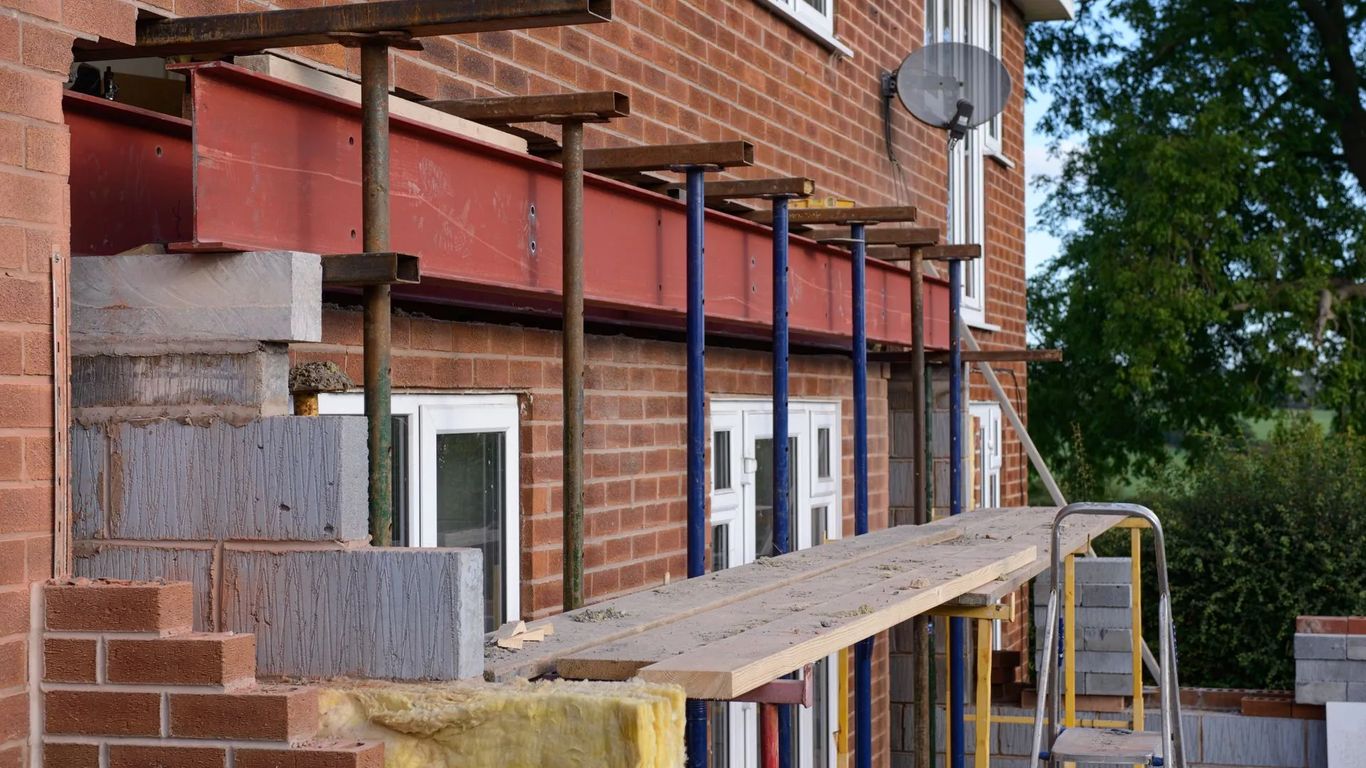
Ever notice those metal or stone beams above your windows and doors? Those are called lintels, and they’re super important. Their job is to carry the weight of the brickwork above the opening, so the wall doesn’t just collapse inwards. Steel lintels, common in many homes, can rust and expand over time. This expansion puts pressure on the surrounding bricks, causing them to crack or even bulge outwards. Stone lintels can crack or crumble. When a lintel starts to fail, it’s a serious structural problem. Replacing a failing lintel involves carefully supporting the wall above, removing the old, damaged lintel, and installing a new one that’s properly sized and protected against corrosion. This is a job that really needs a professional touch to get right, ensuring your openings stay supported and your walls stay intact. Masonry lintel replacement is a key service for maintaining building safety.
Preventative Measures and Maintenance
Taking care of your brickwork before problems start is way smarter than waiting for a big repair bill. It’s like going to the dentist for regular check-ups; you catch little things before they turn into major issues. This proactive approach not only saves you money in the long run but also keeps your home looking good and structurally sound.
Masonry Waterproofing for Longevity
Water is the enemy of brick and mortar. When it seeps into the tiny cracks and pores, it can cause all sorts of trouble, especially when temperatures drop and the water freezes, expanding and pushing the mortar apart. Applying a good quality masonry waterproofing treatment acts like a shield. It repels water while still allowing the brick to breathe, which is super important. This helps prevent freeze-thaw damage, stops efflorescence (that white powdery stuff you sometimes see), and generally makes your brickwork last a whole lot longer. Think of it as giving your home’s exterior a protective coat.
Routine Inspections for Early Detection
How do you know if your mortar needs attention before it’s too late? Regular check-ups are key. You don’t need to be a masonry expert to spot some common signs. Look for crumbling mortar that feels like sand when you touch it, or gaps between bricks that are wider than a pencil eraser. Keep an eye out for white powdery stains on the brick surface, which can mean water is getting in. Also, check if any bricks look loose or are starting to crack. Doing a quick walk-around a couple of times a year, maybe in the spring and fall, can help you catch these issues early. If you’re not comfortable doing it yourself, hiring a professional for an annual inspection is a smart move. They know what to look for and can spot problems you might miss. Regular inspections are your first line of defense.
Protecting Your Property from Water Intrusion
Beyond just waterproofing the walls, think about how water interacts with your entire home. Make sure your gutters are clean and directing water away from the foundation. Check that your landscaping slopes away from the house, so rain doesn’t pool against the brick. Also, ensure that weep holes in your brickwork – those little openings at the bottom of walls – aren’t blocked. They’re designed to let moisture escape, and if they’re clogged with dirt or debris, water can get trapped. Addressing these simple things can make a big difference in preventing water from causing damage to your mortar and foundation.
Keeping your brickwork in good shape isn’t just about looks; it’s about protecting the structural integrity of your home. Small, consistent efforts in maintenance can prevent major, costly repairs down the road. It’s a smart investment in your property’s future.
Choosing the Right Brick Mortar Repair Experts
So, you’ve figured out your mortar needs some serious attention. That’s a big step! Now comes the part where you need to find someone who actually knows what they’re doing. It’s not just about slapping some new goop in the cracks; it’s a craft. Picking the right team means the difference between a repair that lasts for decades and one that starts failing in a year or two. You want someone who understands the materials, the techniques, and how to make it look good, too.
Experience and Craftsmanship in Masonry
When you’re looking for a masonry contractor, don’t be shy about asking about their history. How long have they been doing this? Do they have a portfolio of past work, especially on homes similar to yours? A company that’s been around for a while, maybe even family-owned for generations, often has a deep well of knowledge. They’ve seen all sorts of brick and mortar issues and have figured out how to fix them properly. It’s about more than just showing up; it’s about the skill that comes from years of hands-on work. You can often see this in the details – how they match mortar colors, how clean the brick surfaces are after they’re done, and how uniform the finished joints look. It’s the kind of work that just looks solid.
Code Compliance and Quality Materials
This is where things can get a bit technical, but it’s super important. The company you hire should know the local building codes. This isn’t just about passing an inspection; it’s about safety and making sure the repair is done right according to standards. They should also be using good quality materials. You don’t want them cutting corners with cheap mortar that won’t hold up to the weather. Ask them what kind of mortar mix they use and why. A good contractor will be able to explain this clearly. They should also be licensed and insured, which protects you if anything goes wrong.
Here’s a quick rundown of what to look for:
- Years in Business: More experience usually means better skill.
- Portfolio Review: Look at photos of their previous projects.
- Material Knowledge: Do they understand mortar types and applications?
- Licensing & Insurance: This is non-negotiable for your protection.
- References: Ask for and check references from past clients.
Ensuring a Uniform and Appealing Finish
Let’s be honest, your house is probably your biggest investment, and you want it to look good. A botched mortar repair can make even the nicest brickwork look terrible. The best contractors pay close attention to the aesthetic details. This includes matching the color and texture of the new mortar to the old, so the repairs blend in. They should also be careful not to smear mortar on the bricks themselves. A clean finish makes a huge difference in the overall appearance of your home. It shows pride in their work and respect for your property. If you’re looking for top-notch masonry work in the Houston area, Mendoza Masonry is a name that comes up often for their attention to detail.
Finding the right expert is about more than just getting a quote. It’s about finding someone who respects the craft, uses the right stuff, and cares about how the final job looks on your home. Don’t settle for less when it comes to something as important as your foundation and exterior.
When you need to fix up your brickwork, finding the right pros is super important. You want folks who know their stuff and can make your walls look great again. Don’t guess when it comes to your home’s appearance and strength. Visit our website to learn more about how we can help with your brick repair needs.
Wrapping It Up
So, when you see those little cracks or crumbling bits in your brickwork, don’t just ignore them. Think of it like a small cut that can get infected if you don’t clean it. Taking care of mortar issues early on is way easier and cheaper than waiting until it becomes a big, structural headache. Whether it’s a quick tuckpointing job or a more involved repair, getting a pro to look at it means your home stays strong and looks good for years to come. It’s really about protecting your biggest investment, your home, from the ground up.
Frequently Asked Questions
What are the first signs that my brick mortar needs fixing?
Keep an eye out for crumbling mortar that feels like sand when you touch it. Also, look for gaps wider than about an eighth of an inch between bricks, or if you see white powdery stuff on the bricks. Loose or missing bricks are also a big red flag that something needs attention right away.
Why is it important to fix my mortar problems quickly?
Fixing mortar issues early stops water from getting into your walls. In places with cold winters, this water can freeze and expand, causing bricks to crack. Catching problems early also prevents them from getting worse and costing a lot more to repair later on.
What exactly does a professional brick repair job involve?
Professionals carefully remove the old, damaged mortar to a specific depth using special tools. Then, they mix new mortar that matches the color of your existing bricks so it looks uniform. They pack the new mortar tightly into the joints and shape it to keep water out, making sure the repair is strong and looks good.
What is tuckpointing?
Tuckpointing is a specific type of mortar repair. It involves removing old, worn-out mortar from the joints between bricks and replacing it with new, matching mortar. It’s done to strengthen the wall, stop water leaks, and make the brickwork look neat again.
How can I protect my brickwork from damage in the future?
Keeping your brickwork dry is key. This can involve making sure gutters are clean and directing water away from the foundation. Sometimes, applying special waterproofing treatments to the masonry can also help protect it from rain and moisture, especially in harsh weather.
How do I choose a good company for brick mortar repair?
Look for a company with plenty of experience and good reviews. Ask about their craftsmanship and if they use quality materials. Make sure they know about local building rules and can provide a finish that looks great and lasts a long time.