META DESCRIPTION: Need trusted Chicago tuckpointing contractors? Learn how to spot mortar damage, meet code, and choose licensed masonry experts.
Brick buildings are part of Chicago’s character. They also need regular care. Mortar joints protect the wall from water and help hold each brick in place. When those joints crack, crumble, or pull away, the building becomes more exposed to damage.
Choosing the right Chicago tuckpointing contractors matters. Tuckpointing is not just a cosmetic repair. It is the process of removing damaged mortar and replacing it with new mortar that matches the wall. Done correctly, it helps stop water entry and protects the masonry for years.
At Tuckpointing Masonry System, Inc, we have served Chicago since 1989. We are a family-owned company with over 40 years of masonry experience. We are licensed and insured in Illinois and licensed in the City of Chicago. We provide same-week inspections for homeowners, property managers, and commercial building owners.
What Tuckpointing Does for a Chicago Building
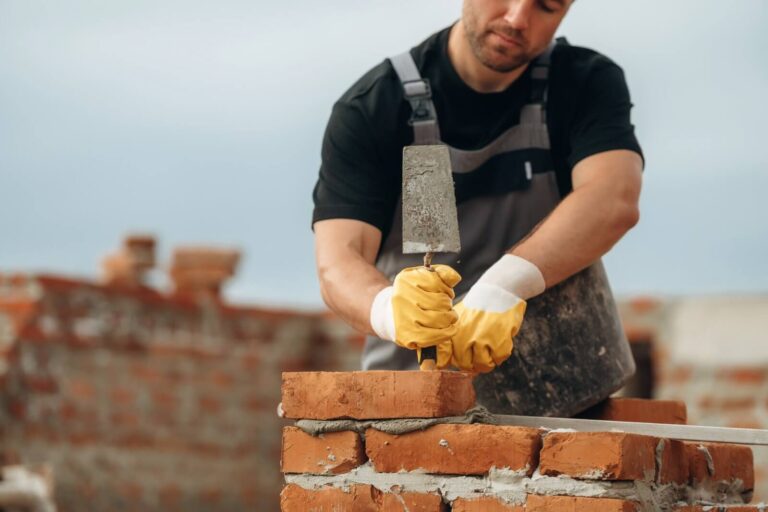
Tuckpointing repairs the mortar joints between bricks or stones. Mortar is the material that bonds the units together. It also helps keep water from entering the wall.
Chicago buildings face repeated stress from weather. Chicago averages 40–50 freeze-thaw cycles per winter. Water enters small cracks in the mortar, freezes, expands, and pushes against the surrounding material. When temperatures rise, the ice melts. This cycle can repeat many times and speed up mortar deterioration.
Damaged mortar can lead to:
- Water infiltration behind the brick
- Crumbling or loose bricks
- Interior water stains
- Damage to insulation and wall finishes
- Corrosion around steel lintels above windows and doors
- Structural masonry problems
- City building violations
Water infiltration through deteriorated mortar is a leading cause of structural damage in brick buildings. Early intervention helps limit the damage. Waiting can allow a small mortar problem to spread into the brick, wall cavity, or structural supports.
Our general masonry repair service addresses cracked mortar, damaged brick, missing joints, and weather-related wear. We inspect the full area before recommending work. This helps us repair the cause instead of covering up the symptom.
Signs You May Need Tuckpointing
Masonry damage often starts small. A close inspection can reveal problems before they become urgent. Look at the mortar joints around the full exterior of your building, not just the most visible wall.
Common warning signs include:
- Mortar that crumbles when touched
- Recessed joints or open gaps
- Cracks that continue to widen
- Pieces of mortar or brick on the ground
- Loose or spalling bricks
- Water stains on interior walls or ceilings
- White powder on the brick surface
- Bowed or bulging sections of wall
- Failed home inspection findings
- A Chicago masonry code violation
Spalling means the face of a brick or stone is breaking, flaking, or falling away. It can happen when moisture enters the masonry and freezes. Spalling is more serious than surface dirt. It may mean the unit needs replacement after the source of the moisture is corrected.
Efflorescence is the white, powdery material that appears on brick. It forms when water moves through the wall, carries salts to the surface, and evaporates. Efflorescence indicates that water is already penetrating through damaged joints or another part of the wall system.
Do not wait until bricks begin falling. Early intervention can help prevent larger repairs. Industry data indicates that untreated water infiltration can multiply repair costs by 3–5x compared with early intervention. The safest step is a professional inspection when you first notice change.
How Professional Chicago Tuckpointing Contractors Work
A proper repair requires more than adding mortar over a damaged joint. New mortar must bond to a clean, sound surface. It must also be compatible with the existing brick and mortar.
Our process generally includes these steps:
- We inspect the wall and identify the source of damage.
- We check mortar depth, brick condition, flashing, lintels, and other details.
- We remove deteriorated mortar without damaging the brick edges.
- We clean dust and loose material from the joints.
- We prepare mortar that matches the strength, texture, and color of the existing wall.
- We fill the joints fully and pack the mortar tightly.
- We tool the joints to match the original profile and help shed water.
- We clean the brick surface and work area.
- We review the completed work with the owner during a final walkthrough.
Mortar joints should be repointed when deterioration reaches about ¾ inch depth. Proper joint depth is at least ¾ inch for an adequate bond. Shallow patching may fail because it does not reach sound mortar.
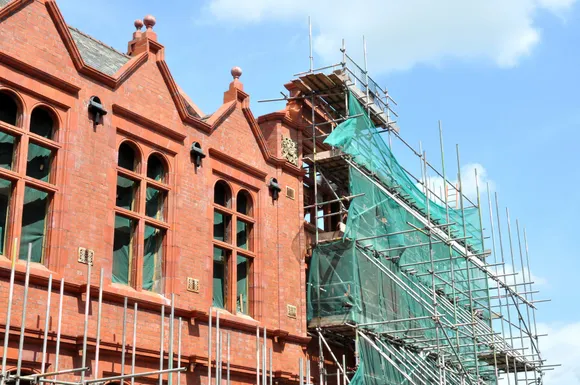
We color-match mortar on every job. This is important for older Chicago homes and historic buildings. A repair should protect the building without creating a sharp visual difference. For historic properties, we work carefully to preserve the original architectural character and materials.
When completed correctly, tuckpointing can extend the useful life of masonry by 20–30 years. The result depends on proper diagnosis, compatible materials, careful installation, and protection from future moisture.
Tuckpointing Compared With Other Masonry Repairs
Tuckpointing is only one part of masonry maintenance. A wall may show mortar damage while also having a problem with flashing, caulking, a lintel, or waterproofing. The repair plan must fit the full condition of the building.
| Masonry need | What it addresses |
|---|---|
| Tuckpointing | Damaged or missing mortar joints |
| Brick replacement | Bricks that are cracked, spalled, loose, or beyond repair |
| Structural masonry repair | Load-bearing walls, parapets, lintels, or other safety concerns |
| Waterproofing | Moisture entry through walls, foundations, joints, or roof details |
| Caulking and sealing | Failed seals around windows, expansion joints, and porous materials |
| Violation correction | Masonry conditions identified by a city or municipal inspection |
Our structural masonry repair team handles serious conditions such as lintel replacement, parapet wall rebuilding, and load-bearing masonry repairs. These issues need prompt attention because they can affect safety.
Waterproofing may also be needed. A wall can have new mortar and still leak if water enters through failed flashing, open caulking, or another building detail. We inspect the surrounding system and explain what needs attention.
What Property Managers Should Know About Chicago Violations
Property managers often receive a notice after a city inspection. The notice may identify deteriorated masonry, unsafe brickwork, damaged flashing, or another condition that needs correction.
The first step is to understand the full scope of the violation. A quick patch may not satisfy the inspector or solve the underlying problem. The repair must address the listed condition and meet applicable requirements.
We are licensed in the City of Chicago. That matters when a project involves permits, inspections, and documentation. Our team can inspect the masonry, develop a corrective plan, complete the work, and help organize the information needed for approval.
Our masonry building violation service is designed for owners who need clear action. We help correct damaged mortar, brickwork, flashing, and unsafe masonry conditions. We provide written documentation and finish with a final walkthrough.
Early intervention is especially important for multi-unit and commercial buildings. A small leak can affect several interior areas. Loose masonry can create a safety risk for tenants and people using the sidewalk. Prompt repairs help property owners protect the building and move toward compliance.
How to Choose Chicago Tuckpointing Contractors
A contractor should be able to explain what is failing, why it is failing, and how the repair will address it. Be careful with recommendations that do not include a close inspection.
Before hiring, ask whether the contractor:
- Is licensed and insured in Illinois
- Is licensed in the City of Chicago
- Has experience with Chicago’s freeze-thaw cycles
- Can repair both mortar and damaged brick
- Understands historic masonry when needed
- Uses compatible mortar materials
- Provides color-matched mortar
- Explains whether permits or inspections apply
- Gives written documentation
- Completes a final walkthrough
- Can show relevant past work
- Communicates clearly about the repair process
Experience matters because Chicago has many older brick buildings. Mortar used on a newer wall may not be right for a century-old home. The wrong mortar can be harder than the original brick and cause additional damage over time.
You should also ask how the contractor handles water. If the wall is leaking, replacing mortar alone may not solve the problem. A reliable contractor looks for the entry point and checks related details.
Tuckpointing Masonry System, Inc has a 5.0 Google rating and more than 40 years of experience. Our family-owned company was founded by David Janusz. We handle residential, commercial, industrial, and historic masonry work. No job is too big or too small.
Why Early Masonry Repair Matters
Masonry damage does not repair itself. Water continues to move through open joints. Freeze-thaw cycles continue to stress the wall. Bricks may loosen, and the damaged area may grow.
Early repairs can help:
- Keep moisture out of the wall
- Protect interior finishes
- Reduce the chance of loose masonry
- Preserve original brick and stone
- Support code compliance
- Extend the life of the building
- Limit the need for larger repairs later
The best time to schedule an inspection is when you first notice crumbling mortar, white powder, a leak, or a new crack. Waiting for visible failure can make the work more involved.
We offer same-week inspections in the Chicago area. During the visit, we explain what we find in plain language. We do not recommend work that is not needed. Our goal is accurate diagnosis on the first visit and work done right the first time.
Schedule a Tuckpointing Inspection in Chicago
Tuckpointing protects more than the appearance of a brick wall. It helps prevent water infiltration, preserve masonry, and protect the structure from Chicago weather. The work must be planned with the building’s age, materials, and condition in mind.
Tuckpointing Masonry System, Inc has served Chicago since 1989. We are licensed and insured in Illinois and licensed in the City of Chicago. We provide color-matched mortar, written documentation, and a final walkthrough on every project.
Call us at (773) 533-8999 to speak with our team. You can also request a free estimate and schedule a same-week inspection.