Protecting your home from water damage is super important. Here are the main things to remember about waterproofing services:
Key Takeaways
- Waterproofing fixes problems like leaks in foundations and basements, keeping your home dry and healthy.
- Masonry waterproofing protects outside walls, brick, and stone from rain and wear.
- Different materials, like flexible membranes and special sealers, are used to stop water.
- Preventing water from getting in stops mold, protects your home’s structure, and saves you money.
- Waterproofing services are available for houses, businesses, and industrial buildings.
Comprehensive Waterproofing Service Solutions
Water can be a sneaky problem for any building. It might start small, like a little dampness in the basement or a tiny crack in the foundation, but if you don’t deal with it, it can turn into a real headache. We’re talking about serious structural damage, mold growth, and a whole lot of expensive repairs down the line. That’s where our waterproofing services come in. We’ve got a whole toolkit of ways to keep water out, no matter where it’s trying to get in.
Foundation Waterproofing Services
Your foundation is literally the base of your home, so keeping it dry is super important. We tackle foundation waterproofing by sealing up any cracks or weak spots. This stops water from seeping into the concrete and causing it to break down over time. It’s all about creating a solid barrier that keeps groundwater where it belongs – outside.
Basement Waterproofing Solutions
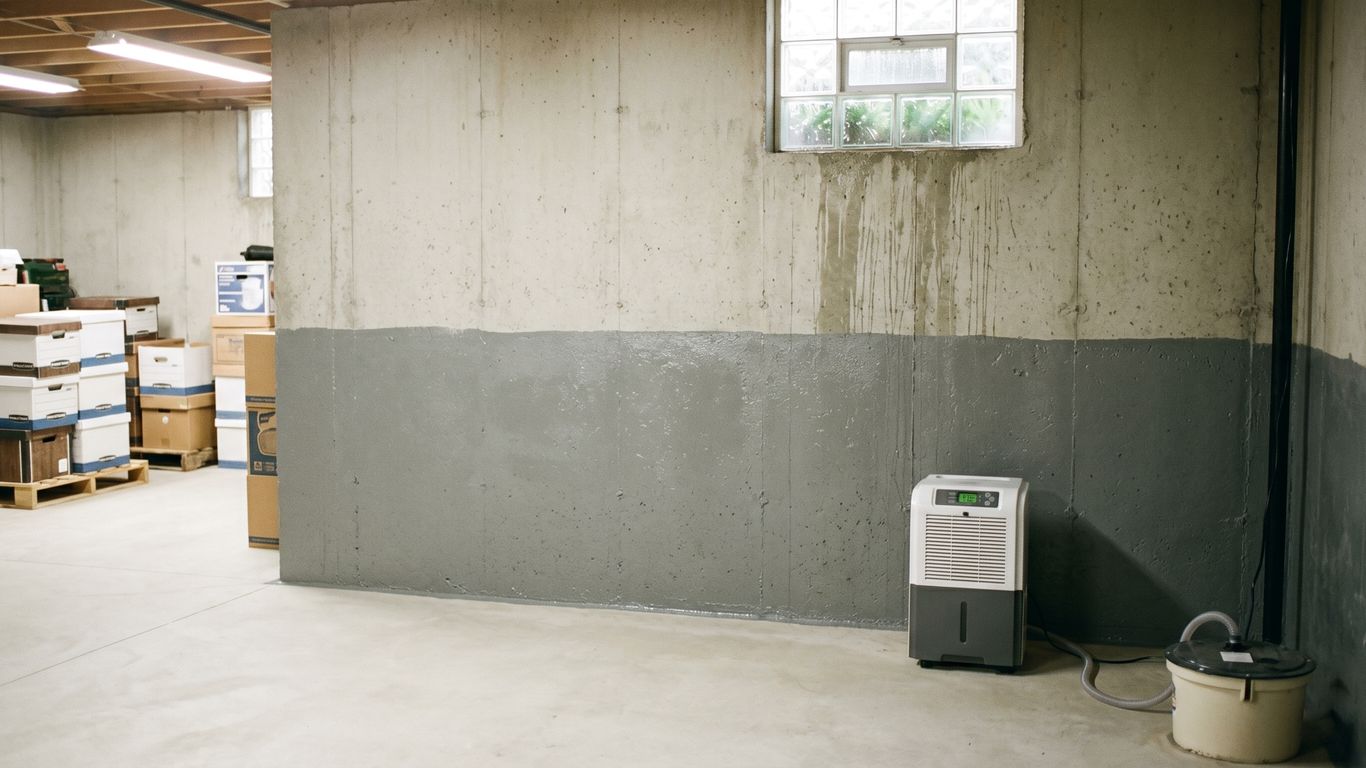
Basements are notorious for getting damp. Whether it’s from hydrostatic pressure pushing water through the walls or just general moisture in the soil, we have solutions. We can install interior drainage systems, apply exterior membranes, or even use specialized sealants to make sure your basement stays dry and usable. Nobody wants a musty, moldy basement, right?
Below-Grade Waterproofing Expertise
This is basically waterproofing everything that’s underground. Think foundations, retaining walls, and any other masonry that’s in constant contact with the soil. We use a variety of methods, including membranes and drainage systems, to make sure that even when the ground is soaked, your building stays protected. It’s a critical step in preventing long-term damage that you might not even see for years. We’re talking about protecting the very bones of your structure. If you’re looking for expert waterproofing services, this is where it all starts.
Water intrusion is a silent threat that can lead to significant structural issues if not addressed promptly. Our goal is to create a robust defense system for your property, preventing moisture from compromising its integrity and value.
Protecting Your Masonry from Water Damage
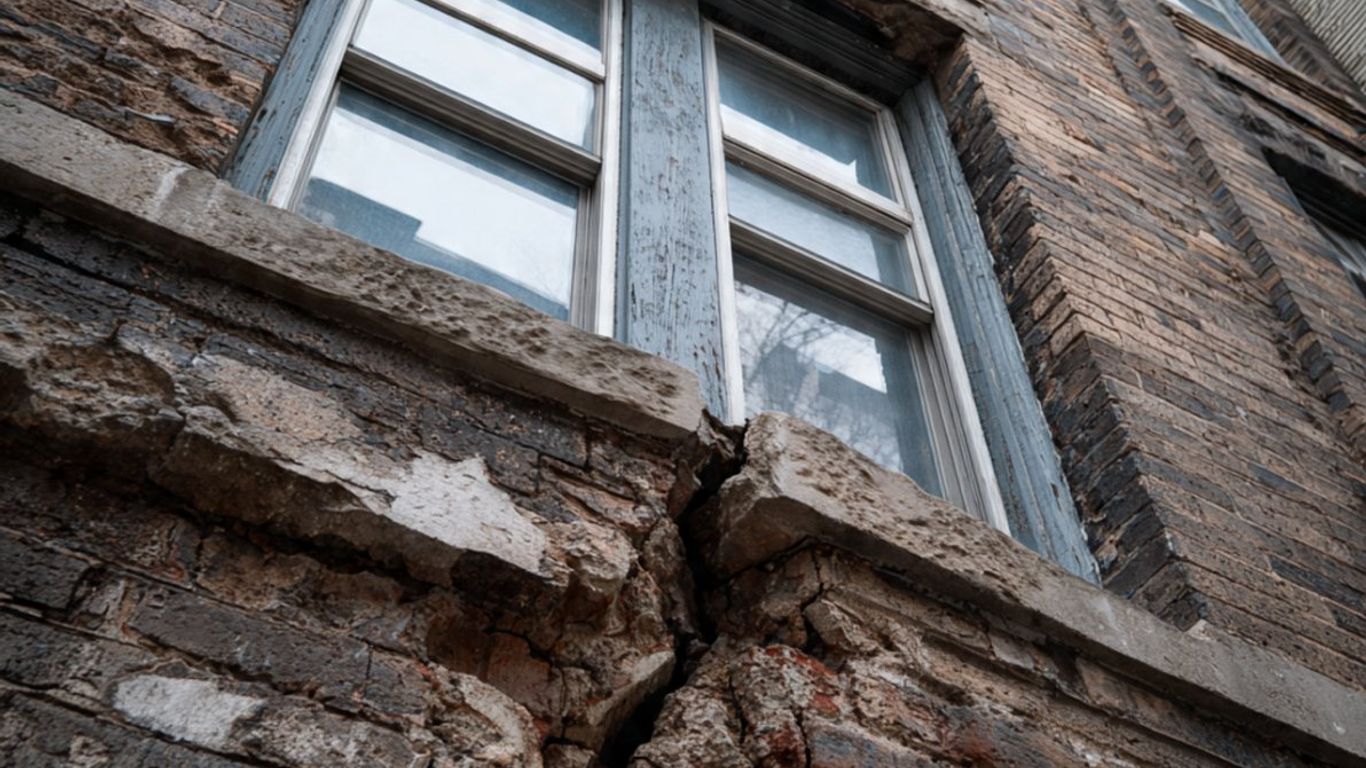
Masonry, whether it’s brick, stone, or concrete, looks tough, but it’s actually pretty vulnerable to water. Over time, things like rain, snow, and even just humidity can seep into the pores and cracks. This might not seem like a big deal at first, but it can lead to some serious problems down the road. Think crumbling mortar, spalling bricks, and even damage to the stuff inside your walls.
Masonry Waterproofing Treatments
We’ve got a few ways to tackle water issues with your masonry. One of the most effective is using specialized waterproofing treatments. These aren’t just a quick coat of paint; they’re designed to penetrate the material and create a barrier that stops water from getting in. This is especially important for older buildings or those made with more porous materials. Proper masonry waterproofing can significantly extend the life of your structure and keep it looking good. It helps prevent freeze-thaw damage, which is a big problem in colder climates where water gets into cracks, freezes, expands, and breaks things apart.
Exterior Wall Waterproofing Services
Your building’s exterior walls are the first line of defense against the weather. When water gets past them, it can cause all sorts of trouble, like mold growth inside or even structural damage. Our exterior wall waterproofing services focus on sealing up those entry points. We look at things like the mortar joints, any cracks that might have formed, and how water is running off the building. We can apply sealers that make the surface water-repellent, or in some cases, install more involved systems to make sure water is directed away from the walls. It’s all about keeping that moisture out before it can cause harm. This kind of work is key to maintaining the integrity and appearance of buildings.
Caulking and Chemical Sealing
Sometimes, the simplest solutions are the most overlooked. Caulking around windows, doors, and any expansion joints can dry out and crack over time. When that happens, it’s like leaving a little open door for water and drafts. We’ll inspect all your caulking and replace it with durable, flexible sealants that can handle movement without cracking. For certain types of stone or concrete blocks (like CMU), we also use chemical sealers. These penetrate the material and create a hidden barrier against water. It’s a really effective way to protect porous surfaces that might otherwise soak up moisture like a sponge. We’re pretty good at finding and fixing these leaks, often on the first visit.
Advanced Waterproofing Materials and Techniques
Flexible Membrane Installations
When it comes to stopping water in its tracks, flexible membranes are a go-to solution. Think of them like a tough, adaptable skin for your building. Materials like PVC are commonly used because they can stretch and bend without cracking. This is super important because buildings naturally shift and settle a bit over time. A flexible membrane can move with the structure, maintaining its seal. We often see these used in areas where water might pool or where there’s a lot of movement, like around foundations or on certain types of roofs. They create a continuous barrier that water just can’t get through. It’s a really effective way to keep moisture out of places it shouldn’t be.
Rigid Material Barriers
Sometimes, you need something a bit more solid, and that’s where rigid materials come in. We’re talking about things like copper, aluminum, or even lead. These aren’t going to bend much, but they offer an incredibly strong and long-lasting defense against water. They’re often installed in specific spots where a robust barrier is needed, like flashing around windows, doors, or where different building materials meet. These materials are great because they don’t degrade easily and can withstand a lot of wear and tear. They form a dependable shield, preventing water from finding any weak spots to sneak into your walls. It’s about creating an unyielding line of defense.
Penetrating Chemical Sealers
For certain types of masonry, like porous stones or concrete blocks, a different approach is needed. That’s where penetrating chemical sealers shine. Instead of just sitting on the surface, these sealers soak into the material itself. They react with the components of the masonry to create a barrier deep within the pores. This makes the material water-repellent from the inside out. It’s a fantastic way to protect surfaces that might otherwise absorb a lot of moisture, which can lead to damage, especially in freezing temperatures. These sealers don’t usually change the look of the material, but they add a significant layer of protection. It’s a smart way to treat materials that are naturally more susceptible to water damage, like certain types of CMU blocks.
Water intrusion is a sneaky problem. It doesn’t always show up right away. Sometimes, it’s the small cracks or porous materials that let moisture in, leading to bigger issues down the line like mold or structural weakening. Using the right advanced materials means we’re not just patching a problem; we’re building a better, more resilient defense against water damage for the long haul.
Preventing Moisture Intrusion and Its Consequences
Water is sneaky. It finds its way into places you wouldn’t expect, and before you know it, you’ve got a real problem on your hands. Stopping moisture intrusion at its source is way easier than dealing with the mess it leaves behind. Think about it: a tiny crack in your foundation or a worn-out seal around a window can let in enough water to cause all sorts of trouble.
Stopping Leaks at the Source
When water gets in, it doesn’t just sit there. It can seep into your walls, damage drywall, ruin insulation, and even start to corrode metal components like steel lintels above doors and windows. We’ve seen it happen time and time again. It’s like a slow leak in a faucet – you might not notice it at first, but eventually, it adds up. That’s why we focus on finding where the water is getting in and fixing it right the first time. This might involve things like making sure your flashing is installed correctly or sealing up gaps in your masonry.
Preventing Mold and Mildew Growth
One of the biggest headaches that comes with water intrusion is mold and mildew. These aren’t just unsightly; they can seriously impact your health and the air quality in your home. Mold thrives in damp, dark places, and a leaky basement or wall is like an all-you-can-eat buffet for it. Getting rid of mold is a pain, and preventing it in the first place is always the better option. Keeping your home dry is the best defense against these unwelcome guests. Controlling moisture is key to keeping your home healthy.
Safeguarding Structural Integrity
Water damage isn’t just about cosmetic issues or mold. Over time, persistent moisture can weaken the very structure of your home. It can break down mortar, cause bricks to shift, and even compromise foundations. This can lead to bigger, more expensive problems down the road, like cracks in walls or even more serious structural failures. We take this seriously because we know that a dry building is a strong building. It’s about protecting your investment and making sure your home is safe for years to come.
Water intrusion can lead to serious health risks like mold, cause structural damage and deterioration, attract pests, and create insurance problems. Understanding these impacts is crucial for homeowners.
Expert Waterproofing Service for All Structures
No matter the size or type of building you own, water damage is a threat that needs to be taken seriously. From cozy homes to sprawling commercial complexes and massive industrial facilities, the principles of keeping water out remain the same, but the scale and specific challenges can vary quite a bit. We’ve got solutions for everyone.
Residential Waterproofing
For homeowners, water intrusion can mean ruined basements, moldy crawl spaces, and damaged foundations. It’s not just about aesthetics; it’s about the health of your family and the long-term value of your home. We tackle everything from foundation sealing to exterior wall treatments, making sure your house stays dry and sound. Think of it as giving your home a protective shield against the elements. We help stop leaks at the source, preventing mold and mildew growth that can really affect your living space. Plus, keeping your foundation solid means your whole house is more stable.
Commercial Waterproofing
Businesses and property managers have a lot riding on their buildings. Leaks can disrupt operations, damage inventory, and create unsafe conditions for employees and customers. For commercial properties, we focus on robust solutions that can handle the demands of high-traffic areas and larger structures. This includes everything from below-grade waterproofing for parking garages and basements to above-grade facade protection. We understand that downtime is costly, so our work is designed to be efficient and long-lasting. Protecting your commercial building is key to protecting your business. We offer services for commercial buildings in Iowa and Illinois, ensuring your investment is secure.
Industrial Waterproofing
Industrial settings often face unique challenges. Think massive warehouses, factories, or processing plants where harsh chemicals, heavy machinery, and extreme environmental conditions are the norm. Water damage in these environments can be catastrophic, leading to equipment failure, safety hazards, and costly shutdowns. Our industrial waterproofing services are built to withstand these tough conditions. We use heavy-duty materials and specialized techniques to protect large structures, foundations, and critical infrastructure from water ingress and corrosion. Our goal is to keep your operations running smoothly and safely, no matter the scale.
Here’s a quick look at what we cover across all structure types:
- Foundation Protection: Sealing foundations, basement walls, and below-grade structures.
- Exterior Envelope: Waterproofing walls, parapets, chimneys, and around windows and doors.
- Material Integrity: Applying sealers and membranes to protect masonry, concrete, and other building materials.
- Preventative Maintenance: Regular inspections and minor repairs to avoid major issues down the line.
Water damage doesn’t discriminate based on building type. Whether it’s a small crack in a residential foundation or a large-scale issue in an industrial facility, the consequences can be severe. Proactive waterproofing is always the smartest approach.
We’re equipped to handle the waterproofing needs of any structure, ensuring your property remains protected and sound for years to come.
Addressing Common Waterproofing Challenges
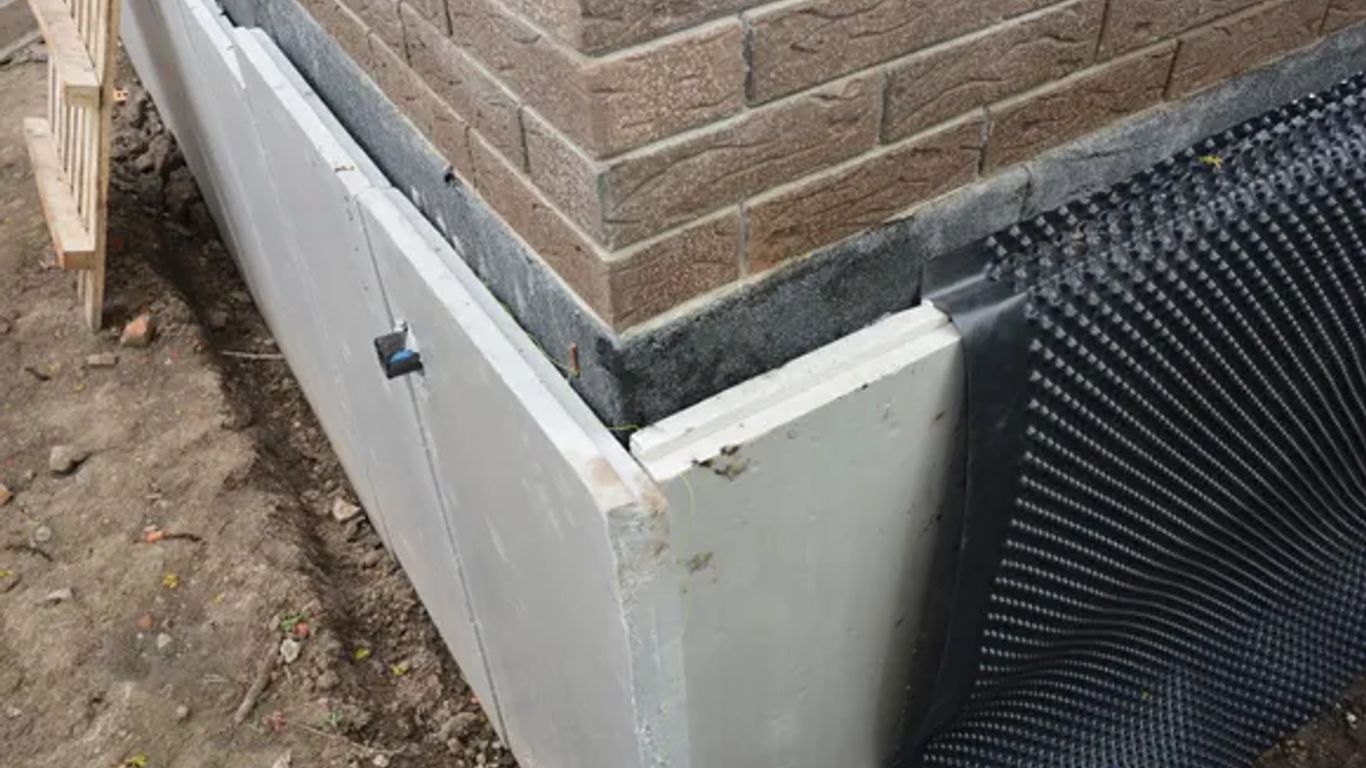
Sometimes, even with the best intentions, waterproofing issues pop up. It’s not always straightforward, and dealing with them can feel like a puzzle. We’re talking about things like flashing that’s not quite right, chimneys that are letting in too much moisture, or parapet walls that are taking a beating from the weather. These aren’t just minor annoyances; they can lead to bigger problems down the line if not handled properly.
Flashing Installation and Repair
Proper flashing is like a raincoat for your building’s vulnerable spots, especially around windows, doors, and where different materials meet. If it’s installed incorrectly or starts to fail, water can sneak in where it shouldn’t. We’ve seen cases where bad flashing installation has cost homeowners thousands in repairs later on. Getting the flashing right the first time is key to preventing future headaches. Our team makes sure it’s done right, using materials like PVC or even more robust options like copper or aluminum, depending on what your building needs.
Chimney Waterproofing and Maintenance
Your chimney works hard, but it’s also constantly exposed to the elements. Rain, snow, and temperature changes can wear down the mortar and caps over time. When water gets into these small cracks, it can freeze and expand, causing serious damage. We tackle this by tuckpointing the mortar joints and making sure the chimney cap is in good shape to keep water out. Regular check-ups can save you from needing a full chimney rebuild later.
Parapet Wall Protection
Parapet walls, those short walls along the edge of a roof, are pretty exposed. They’re the first line of defense against weather but also the first to show wear. Gaps in the mortar or coping can let moisture in, and winter’s freeze-thaw cycles can really do a number on them. If left unchecked, these walls can lose their structural strength. We focus on sealing up those voids and repairing the mortar to keep them strong and prevent water from getting into the main structure. It’s all about staying ahead of potential damage and keeping your building solid.
Addressing these common issues requires a keen eye for detail and a solid understanding of how water interacts with building materials. It’s not just about slapping on some sealant; it’s about diagnosing the root cause and applying the right solution, whether that’s meticulous flashing work, expert chimney repair, or reinforcing vulnerable parapet walls. Getting these details right protects your entire structure from the ground up. Basement leaks and damp walls are often symptoms of these underlying challenges.
Dealing with tricky waterproofing issues can be a real headache. From leaky basements to damp walls, these problems can cause a lot of damage if not fixed properly. Don’t let water worries get you down! Visit our website today to learn more about how we can help you keep your home dry and safe.
Conclusion
Waterproofing is more than just a service; it’s an investment in the long-term health and safety of your property. Whether you’re dealing with a leaky basement, concerns about your foundation, or protecting your exterior walls, understanding the solutions available is key. A good waterproofing service can prevent costly repairs down the line, stop mold from growing, and keep your home structurally sound. Don’t wait for water damage to become a big problem. Taking proactive steps with the right professionals ensures your home stays dry, safe, and valuable for years to come.
Frequently Asked Questions
What exactly is waterproofing?
Waterproofing is like giving your house a raincoat. It’s a way to stop water from getting into parts of your building where it shouldn’t be, like the basement or foundation. This helps prevent damage and keeps things dry.
Why is waterproofing my foundation important?
Your foundation is the base of your house. If water gets in, it can cause cracks and make the whole house unstable. Waterproofing keeps that water out, protecting your home’s main support.
Can waterproofing stop mold?
Yes, definitely! Mold and mildew love damp places. By stopping water from getting into your basement or walls, waterproofing gets rid of the moisture mold needs to grow. This means a healthier home for you.
How do you waterproof exterior walls?
For outside walls, professionals might use special coatings or sealers that water can’t get through. Sometimes they also fix things like cracks or old caulking to make sure water runs off instead of soaking in.
What’s the difference between waterproofing and damp-proofing?
Think of damp-proofing as a basic shield against moisture, good for less serious issues. Waterproofing is a stronger, more complete barrier designed to keep out a lot more water, especially under pressure like in a basement.
How often do I need waterproofing services?
It really depends on your house and the weather. Some waterproofing lasts a very long time. But it’s a good idea to get things checked out every few years, especially if you notice any damp spots or leaks. Regular checks can catch small problems before they get big and expensive.