Looking for reliable masonry contractors in Chicago? It can feel like a maze trying to find the right people to fix or build with brick and stone. This guide breaks down the common services you might need, from small repairs to bigger jobs, helping you understand what to look for when you need quality masonry work done in the city.
Key Takeaways
- Tuckpointing is vital for Chicago buildings due to freeze-thaw cycles damaging mortar.
- General masonry repairs address issues like cracks, crumbling mortar, and damaged bricks.
- Structural repairs are critical for safety, fixing problems like lintels and parapet walls.
- Addressing city building code violations promptly is important to avoid fines.
- New construction corrections fix early masonry mistakes to protect your investment.
1. Tuckpointing Masonry System
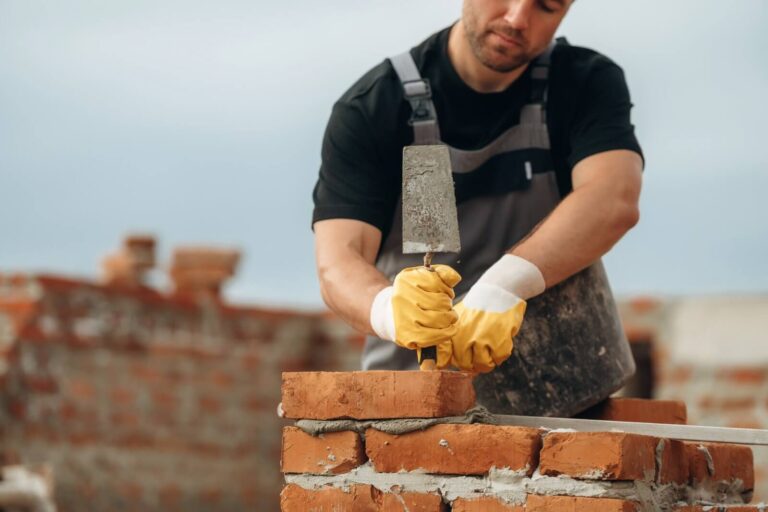
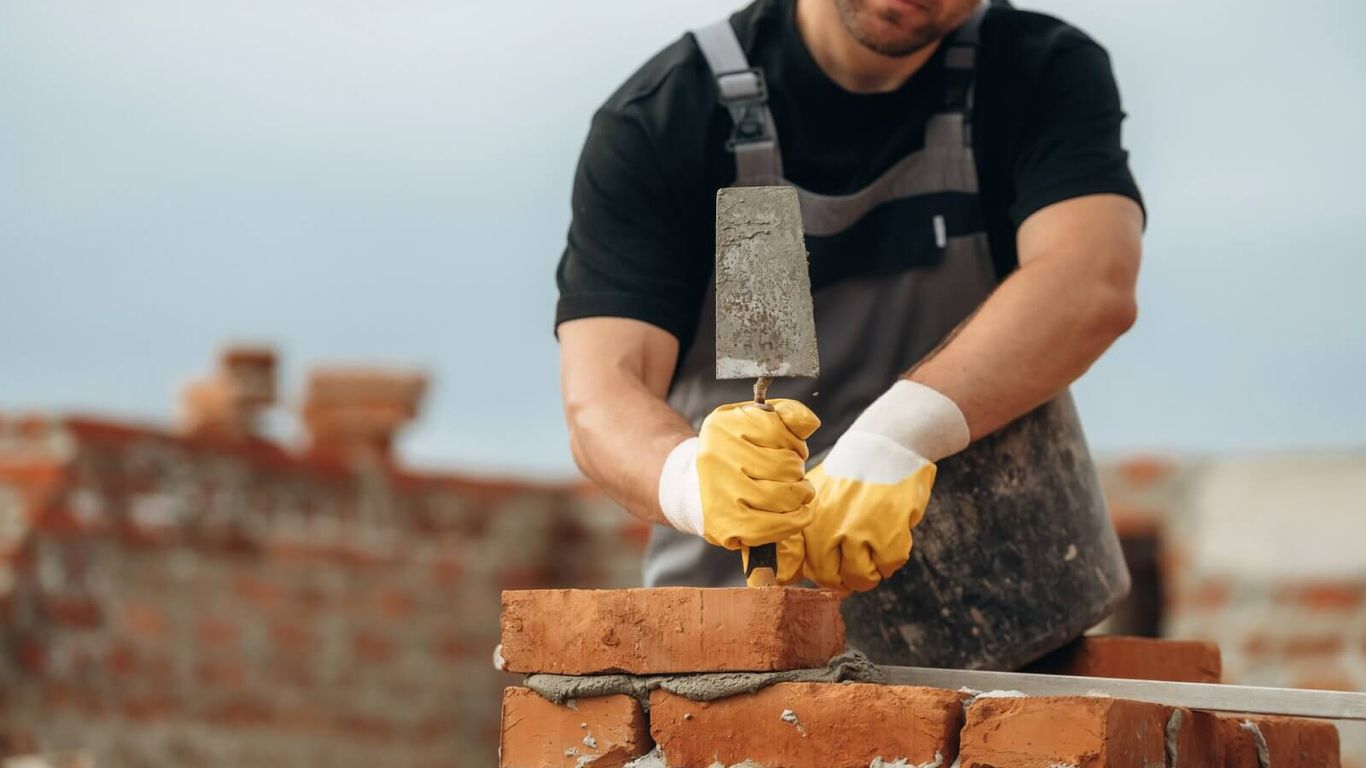
Tuckpointing is a pretty big deal when it comes to keeping your Chicago building in good shape. Basically, it’s all about fixing up the mortar between your bricks. Over time, that mortar can crumble, crack, and just wear away, especially with our crazy weather here. When that happens, water can sneak in, and that’s when real problems start, like freeze-thaw damage that makes things worse year after year.
The goal of tuckpointing is to replace that old, damaged mortar with fresh, strong material. This not only stops water from getting in but also makes your walls look a lot better. You’ll know it’s time for tuckpointing if you see mortar that crumbles when you touch it, gaps between your bricks, or even a white powdery substance (that’s called efflorescence) showing up on your walls.
Here’s a quick rundown of why it’s so important:
- Prevents Water Damage: Stops moisture from seeping into your walls, which can cause all sorts of issues from mold to structural weakening.
- Improves Appearance: Fresh mortar makes your brickwork look clean, uniform, and well-maintained.
- Increases Longevity: By protecting the mortar, you’re extending the life of your entire brick structure.
- Maintains Structural Integrity: Good mortar holds your bricks together, keeping your walls stable and safe.
It’s not just about looks; it’s about protecting your investment. Think of it like getting a dental cleaning for your building. You wouldn’t wait until you have a major toothache, right? The same goes for your masonry. Addressing small mortar issues early on can save you a ton of headaches and money down the road. If you’re noticing any of these signs, it’s probably a good time to look into professional tuckpointing services to keep your building solid and looking sharp.
2. General Masonry Repairs
Over time, Chicago’s weather can really take a toll on your building’s exterior. You might start noticing small cracks in the mortar, some crumbling bits, or even bricks that look a bit worn out. These aren’t just cosmetic issues; they can lead to bigger problems down the road if left unchecked.
Addressing these general masonry repairs promptly is key to maintaining your property’s integrity and appearance. Our team handles everything from minor crack repairs to replacing damaged bricks and repointing mortar joints. We use quality materials and make sure the work is done right, preventing moisture from getting in and causing further damage. It’s about keeping your building solid and looking good.
Here’s a quick look at what general masonry repairs often involve:
- Tuckpointing: This is where we carefully remove old, deteriorated mortar from between the bricks and replace it with new mortar. It’s not just about filling gaps; it’s about making sure the new mortar matches the old in strength and color for a seamless look.
- Brick Replacement: If bricks are cracked, spalled, or missing, we can replace them with matching ones. This restores the wall’s strength and keeps the aesthetic consistent.
- Mortar Joint Repair: Beyond full tuckpointing, we can repair specific damaged joints to prevent water intrusion and further erosion.
We focus on making sure these repairs blend in with the existing masonry, so your building looks its best. It’s amazing what a difference these repairs can make in preventing bigger issues and keeping your property safe.
It’s easy to overlook small signs of wear on your masonry, but these issues can grow. Catching them early with general repairs saves you a lot of hassle and money later on. Think of it like regular maintenance for your home or building – it just makes sense.
We also help with things like sidewalk repairs, which are important for property safety and accessibility. If you’re seeing signs of wear and tear on your brickwork, stone, or mortar, it’s a good idea to get it checked out. We can help you find local masonry repair services in Chicago to get the job done right.
3. Structural Masonry Repairs
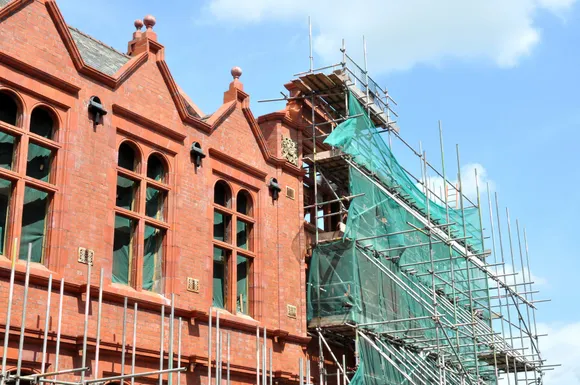
When your building’s foundation or walls start showing serious signs of wear, it’s time to think about structural masonry repairs. This isn’t just about looks; it’s about the safety and stability of the entire structure. We’re talking about issues like crumbling load-bearing walls, failing parapet walls, or damaged lintels that support the weight above windows and doors. Ignoring these problems can lead to bigger, more expensive issues down the line, not to mention potential safety hazards.
Addressing structural masonry problems is vital for maintaining your building’s safety and preventing future deterioration.
Here are some common structural issues that might require attention:
- Cracked or Bowing Walls: This can happen due to foundation settling, water damage, or freeze-thaw cycles. It means the wall isn’t holding its shape like it should.
- Failing Parapet Walls: These are the low walls along the edge of a roof. If they start to crack or lean, they can become a safety risk and let water into the building.
- Damaged or Corroded Lintels: Lintels are beams that support the masonry above openings like doors and windows. When they rust or crack, the masonry above can sag or fail.
We handle these critical repairs by reinforcing brick, stone, and concrete elements. Our goal is to make sure your building is safe, sound, and built to last. We use engineered materials and proven techniques to get the job done right, ensuring everything meets building codes and keeps your property secure. If you’re noticing any serious cracks or sagging, it’s best to get a professional assessment. You can find contractors specializing in structural masonry repairs to help assess and fix these issues before they become major problems.
4. Masonry Building Violations
Dealing with masonry building violations can feel like a real headache. When city inspectors flag issues with your building’s brickwork, mortar, or structural elements, it’s important to address them quickly. These violations aren’t just about paperwork; they often point to real problems that could affect your building’s safety and integrity. Ignoring these notices can lead to fines, legal trouble, and even more significant damage down the road.
Common violations might include things like crumbling mortar joints that need tuckpointing, damaged or loose bricks, improper flashing that lets water in, or structural issues that pose a safety risk. Sometimes, it’s as simple as a repair that wasn’t done to code. Whatever the issue, a qualified masonry contractor can help you understand exactly what the violation means and what needs to be done to fix it.
Here’s a look at some typical masonry violations you might encounter:
- Deteriorated Mortar Joints: This is often the most common issue, requiring tuckpointing to replace the old, crumbling mortar with new, strong material.
- Loose or Missing Bricks: Bricks that are falling out or missing entirely are a clear safety hazard and need immediate attention.
- Improper Flashing: Flashing is crucial for directing water away from the building. If it’s missing, damaged, or installed incorrectly, it can lead to water infiltration and further masonry damage.
- Structural Cracks: Significant cracks in masonry walls can indicate underlying structural problems that need professional assessment and repair.
When you get a violation notice, it’s a good idea to have a professional masonry company come out and take a look. They can assess the situation, explain the requirements, and provide a plan to get your building back up to code. Many contractors specialize in resolving these types of issues, making the process much smoother. You can often check for existing records of building permits, inspections, and violations by address through city resources like this.
Getting a violation notice doesn’t have to be the end of the world. It’s an opportunity to address potential problems before they become major issues. A good contractor will not only fix the immediate problem but also help you understand how to prevent future violations.
Resolving these violations promptly is key. It not only avoids penalties but also protects your property from further damage and ensures the safety of anyone using the building. Companies that specialize in these corrections understand the local building codes and work to get your property compliant efficiently so you can avoid fines.
5. New Construction Corrections
Even brand-new buildings can have masonry issues. Sometimes, during the initial construction phase, mistakes happen. These can range from improper flashing, which is super important for keeping water out, to poorly done tuckpointing that won’t last. Catching these problems early is key to avoiding bigger headaches down the road.
We specialize in inspecting new masonry work to find these kinds of faults. Our team knows what to look for, like signs of water intrusion or structural weaknesses that might not be obvious at first glance. We then fix these issues, making sure everything is up to code and built to last. It’s all about protecting your investment and making sure your new building is solid from day one.
Common problems we see in new construction include:
- Flashing errors or missing waterproofing
- Not enough or poorly applied mortar
- Bricks or stones that are out of line or loose
- Structural elements that weren’t installed correctly
- Early signs of water damage or settling
Getting these corrections done right away means you avoid costly repairs later. It ensures your building is safe, waterproof, and adds to its value. Think of it as a quality check for your masonry work.
We can help identify and fix these issues, so your new construction is sound and durable. If you’re building something new, it’s a good idea to have a professional masonry inspection done. We can provide that inspection and make any necessary corrections for new construction to ensure everything is perfect.
6. Waterproofing
Waterproofing is a really important part of keeping your building in good shape, especially here in Chicago where we get all sorts of weather. It’s all about stopping water from getting into places it shouldn’t be, like through cracks in the walls or around windows and doors. If water gets in, it can cause a lot of problems down the road, from mold and mildew to serious structural damage.
Proper waterproofing prevents moisture intrusion that can lead to costly repairs and health issues.
There are a few main ways masonry contractors handle waterproofing. They might use special sealers that soak into the brick or stone, creating a barrier against water. For more serious issues, they might install membranes, like flexible PVC, or use rigid materials to divert water away from the building. This is especially key for foundations and below-grade areas where groundwater can be a big problem.
Here’s a quick look at common waterproofing services:
- Foundation Waterproofing: Sealing basement walls and foundations to stop water from seeping in.
- Exterior Wall Sealing: Applying treatments to brick and stone facades to repel water.
- Caulking and Joint Sealing: Replacing old, cracked caulk around windows, doors, and expansion joints to prevent leaks.
- Moisture Management Systems: Installing barriers and drainage solutions to actively manage water around the building.
Dealing with water issues can feel overwhelming, but getting a professional assessment is the first step. They can figure out exactly where the water is coming from and what the best way is to fix it for good. It’s not just about stopping leaks; it’s about protecting the whole structure.
Sometimes, you might see a white powdery substance on your brickwork. That’s called efflorescence, and it’s a sign that water is moving through the mortar and leaving salts behind. It’s a clear indicator that you might need some waterproofing attention. Getting this checked out early can save you a lot of headaches and money later on. If you’re looking for help with these kinds of issues, companies like GRALAK TUCKPOINTING CONCRETE AND WATERPROOFING are available in the city.
Think of waterproofing as an investment in your property’s future. It keeps your building dry, safe, and looking its best for years to come. For comprehensive solutions that protect your property from water damage, consider looking into services that offer commercial building waterproofing.
7. Chimney Repair
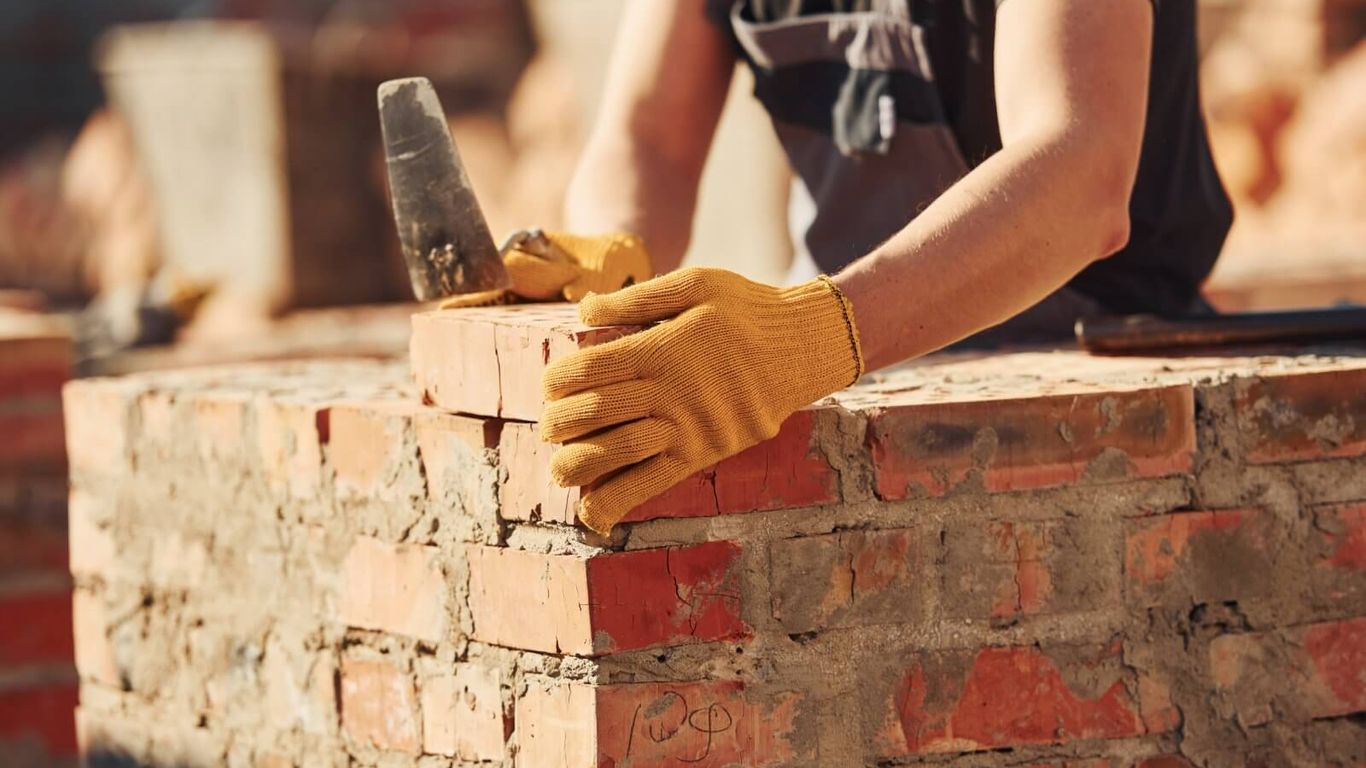
Your chimney is more than just a decorative element; it’s a critical part of your home’s safety and ventilation system. Over time, Chicago’s weather can really take a toll on masonry chimneys. You might notice crumbling mortar, loose bricks, or even cracks in the chimney cap. These aren’t just cosmetic issues; they can lead to serious problems like water damage and even fire hazards.
Regular chimney inspections are key to catching small problems before they become big, expensive ones. We look for things like deteriorated mortar joints, which allow water to seep in. When that water freezes and thaws, it expands, pushing the bricks apart and weakening the whole structure. It’s a cycle that can cause significant damage if not addressed.
Here’s what we typically check during a chimney repair:
- Masonry Condition: We examine the bricks and mortar for cracks, spalling (where the surface of the brick flakes off), and general wear. Tuckpointing is often needed to replace the old, damaged mortar with new, strong material.
- Chimney Cap and Crown: The cap protects the top of the chimney from rain and snow. If it’s damaged or missing, water can get into the chimney structure, causing all sorts of trouble. We can repair or replace caps and the concrete crown that seals the top.
- Flue Liner: The liner inside the chimney protects the chimney structure from the heat and corrosive byproducts of your fireplace or furnace. If it’s cracked or damaged, it’s a serious safety concern.
- Structural Integrity: We check for leaning or instability, especially in older chimneys. Sometimes, structural repairs are needed to ensure the chimney is safe and sound.
Addressing chimney issues promptly is really important. A damaged chimney can lead to smoke backing up into your home, which is not only unpleasant but also a serious health risk due to carbon monoxide. Plus, water intrusion can cause damage to your roof, attic, and interior walls, leading to much larger repair bills down the line.
We handle everything from minor tuckpointing to more involved repairs, making sure your chimney is safe, functional, and looks good too. If you’re noticing any signs of wear or tear on your chimney, it’s best to get it checked out by a professional. You can find local chimney sweep services in Chicago that can help with routine inspections and cleaning, which is a great first step.
8. Stone Masonry Repair
Stone structures, whether they’re part of a historic building’s facade, a decorative wall, or a foundation, require specialized care. Over time, natural stone can chip, crack, or become loose due to weather, settling, or just plain age. Addressing these issues promptly is key to preventing more significant damage and maintaining the stone’s original beauty and structural integrity.
When you notice problems with your stonework, it’s important to get a professional assessment. This could involve anything from minor chips and cracks to larger sections that have become unstable. A good masonry contractor will know how to identify the type of stone and the best methods for repair.
Here’s a general idea of what stone masonry repair might involve:
- Assessment: A thorough inspection to determine the extent of the damage and the type of stone used.
- Cleaning: Removing dirt, old mortar, or efflorescence (a white powdery deposit) that can hide damage or weaken the stone.
- Repair: Filling cracks, re-setting loose stones, or replacing severely damaged pieces with matching stone.
- Repointing: Replacing deteriorated mortar joints between stones to ensure stability and prevent water intrusion.
Sometimes, the damage might look minor, but it can lead to bigger problems down the road if not handled correctly. For instance, water getting into small cracks can freeze and expand, making the cracks worse, especially during Chicago’s harsh winters. This is why getting a professional to look at it is so important. They can spot these potential issues before they become major headaches.
Dealing with stone masonry requires a delicate touch and a good understanding of different stone types and their specific needs. It’s not quite the same as working with brick, and using the wrong techniques or materials can actually cause more harm than good. That’s why finding a contractor with specific experience in stone repair is really the way to go.
If you’re looking for experts who can handle these kinds of repairs, you can find and compare local masonry contractors in Chicago to help you select the best mason for your project. They can help restore your stone features, keeping them looking great and functioning properly for years to come.
9. Parapet Wall Repair
Parapet walls, those extensions of your building’s walls above the roofline, are constantly battling the elements. Because they’re so exposed, they’re prone to wear and tear. You might notice cracks, crumbling mortar, or even voids in the coping stones. These aren’t just cosmetic issues; they’re invitations for water to get in.
When water seeps into these small openings, especially during Chicago’s harsh winters, it freezes and expands. This freeze-thaw cycle puts immense pressure on the masonry, leading to more significant damage over time. If left unchecked, this can weaken the entire structure, potentially leading to costly rebuilds.
Regular inspections and timely repairs are key to preventing major problems. Addressing minor cracks and voids early on can save you a lot of headaches and money down the road. It’s about maintaining the integrity of your building’s exterior and protecting it from water damage.
Here’s a quick look at what parapet wall repair often involves:
- Mortar Repair (Tuckpointing): Grinding out old, damaged mortar and replacing it with new, color-matched mortar to seal joints and prevent water intrusion.
- Coping Repair/Replacement: Fixing or replacing the stones or precast units that cap the top of the parapet wall, which are crucial for shedding water away from the wall.
- Flashing Installation/Repair: Ensuring proper flashing is in place to direct water away from the wall and roof intersection.
- Brick/Stone Replacement: Swapping out any severely damaged or missing bricks or stones.
It’s important to get these repairs done by experienced professionals. They know how to match materials and ensure the repairs blend seamlessly with the existing structure. For top-notch parapet wall services, consider looking into specialized parapet wall repair contractors.
Neglecting parapet walls can lead to more than just aesthetic issues. Water infiltration can damage interior spaces, compromise insulation, and even affect the structural integrity of the roof and the building itself. Proactive maintenance is always the best approach.
10. Masonry Lintel Replacement
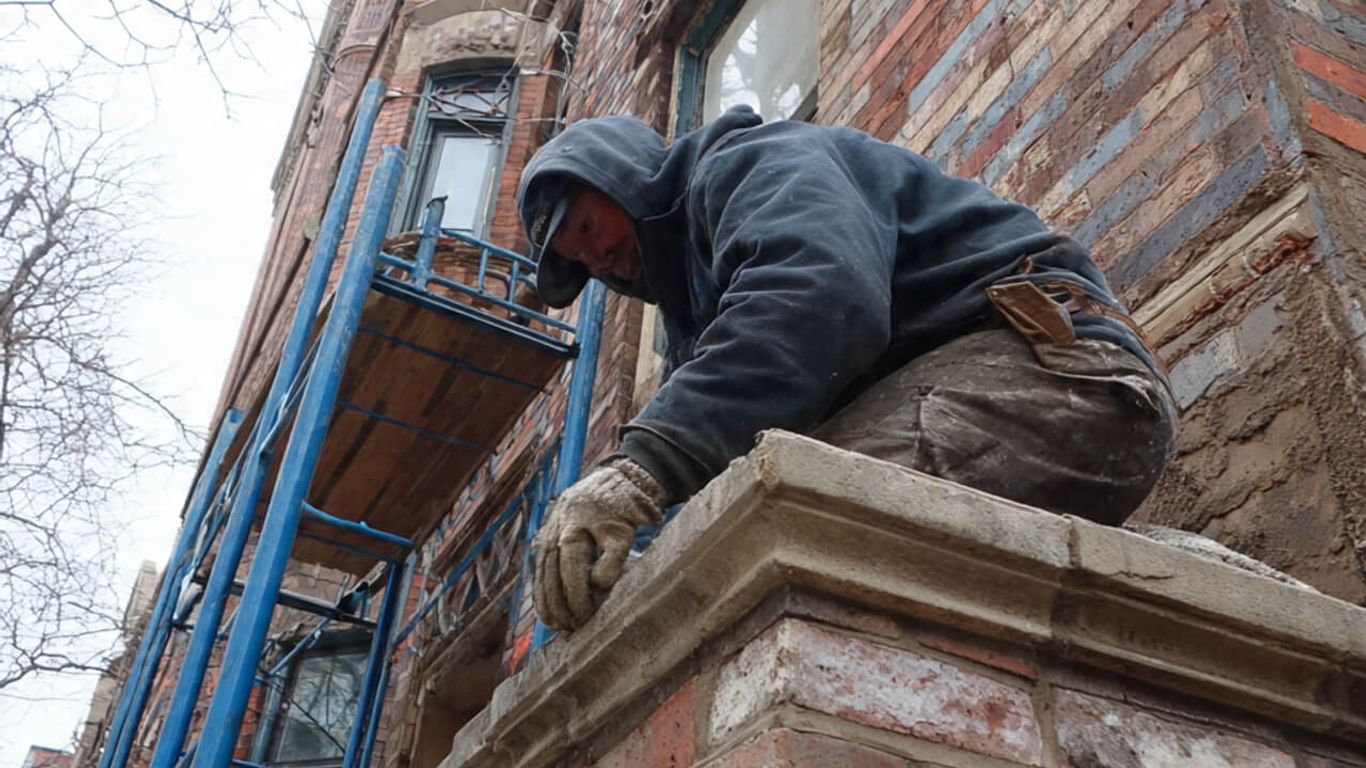
Lintels are those often-overlooked structural elements that sit above your windows and doors. They’re basically there to hold up the weight of the brickwork or stonework above those openings, preventing the wall from collapsing. Over time, especially with Chicago’s weather, these can start to sag, crack, or even rust if they’re made of steel. When that happens, it’s not just an eyesore; it’s a serious safety concern.
Ignoring a failing lintel can lead to significant structural damage and costly repairs down the line. You might notice cracks forming in the brickwork around the window or door frame, or even see the lintel itself starting to bow. This is your cue to call in the pros.
Here’s a quick rundown of why lintel replacement is so important:
- Structural Support: They bear the load of the masonry above, keeping your walls stable.
- Water Damage Prevention: Rusted steel lintels can expand, pushing bricks apart and allowing water to seep in.
- Aesthetic Integrity: Sagging or cracked lintels detract from your building’s appearance.
- Code Compliance: Many building codes require proper lintel installation and maintenance.
When it’s time for a replacement, a qualified masonry contractor will carefully remove the damaged lintel and install a new one. This might involve a steel I-beam or a reinforced concrete lintel, depending on the specific needs of your building. They’ll also make sure to properly seal and flash the area to prevent future water issues. It’s a job that requires precision and an understanding of structural loads, so it’s definitely not a DIY project.
The process of replacing a masonry lintel involves more than just swapping out a piece of metal or concrete. It requires careful assessment of the existing structure, proper support during the replacement, and meticulous installation of the new lintel to ensure it can handle the load for years to come. Attention to detail in sealing and flashing is also key to preventing moisture-related problems that can plague these areas.
If you’re seeing signs of lintel failure, don’t wait. Getting professional help for masonry lintel replacement is a smart move to protect your property’s integrity and value. It’s a critical part of maintaining the overall health of your building’s facade.
Dealing with a broken or damaged masonry lintel can be a real headache. These important supports above windows and doors need to be strong and in good shape. If yours is crumbling or cracked, it’s time to get it fixed. Don’t let a small problem turn into a big one. Visit our website today to learn more about how we can help with your masonry lintel needs!
Wrapping Up Your Masonry Project
So, when it comes to keeping your Chicago building looking good and standing strong, picking the right masonry contractor really matters. We’ve talked about what to look for, like experience and good reviews, and how important things like tuckpointing are for our city’s buildings. Remember, a solid job now saves you headaches later. Don’t just go with the first name you see; do a little homework and find someone who knows their stuff. Your property will thank you for it.
Frequently Asked Questions
What exactly is tuckpointing and why do buildings in Chicago need it?
Tuckpointing is like giving your brick walls a facelift by replacing old, worn-out mortar between the bricks. In Chicago, the weather can be tough, with freezing and thawing that makes mortar crack and crumble faster. You know it’s time for tuckpointing when mortar crumbles when you touch it, you see gaps between bricks, or a white powdery substance appears on the walls.
What are the signs that my building needs general masonry repairs?
Over time, weather can cause all sorts of issues. Look out for cracks in your brickwork, crumbling mortar, or bricks that are damaged. These problems don’t just look bad; they can let water in and make things worse. Our general repairs fix these issues to make your building look good and stay strong.
How do you handle structural masonry repairs, and why are they important?
Structural repairs are for the serious stuff, like fixing or replacing beams above windows and doors (lintels), rebuilding damaged walls on top of buildings (parapet walls), or fixing any masonry that’s holding up heavy weight. These fixes are super important to keep your building safe and prevent bigger problems down the road.
What happens if my building has masonry violations from the city?
Sometimes, city inspectors find problems like bad flashing, damaged bricks, or unsafe parts of the building. These are called masonry violations. Our team is great at fixing these issues quickly so you can avoid fines and get your building approved.
Can you help with mistakes made during new construction?
Yes! Even new buildings can have masonry mistakes, like incorrect flashing or poorly done tuckpointing. We can inspect new construction and fix any issues early on. This helps protect your investment and makes sure your building lasts a long time.
What preparation is needed before you start masonry work on my property?
To help us work efficiently and protect your belongings, please move any furniture or grills at least 10 feet away from the walls we’ll be working on. Also, trim any plants near the work area and make sure we have clear access. Letting your neighbors know about potential dust or noise is also helpful.