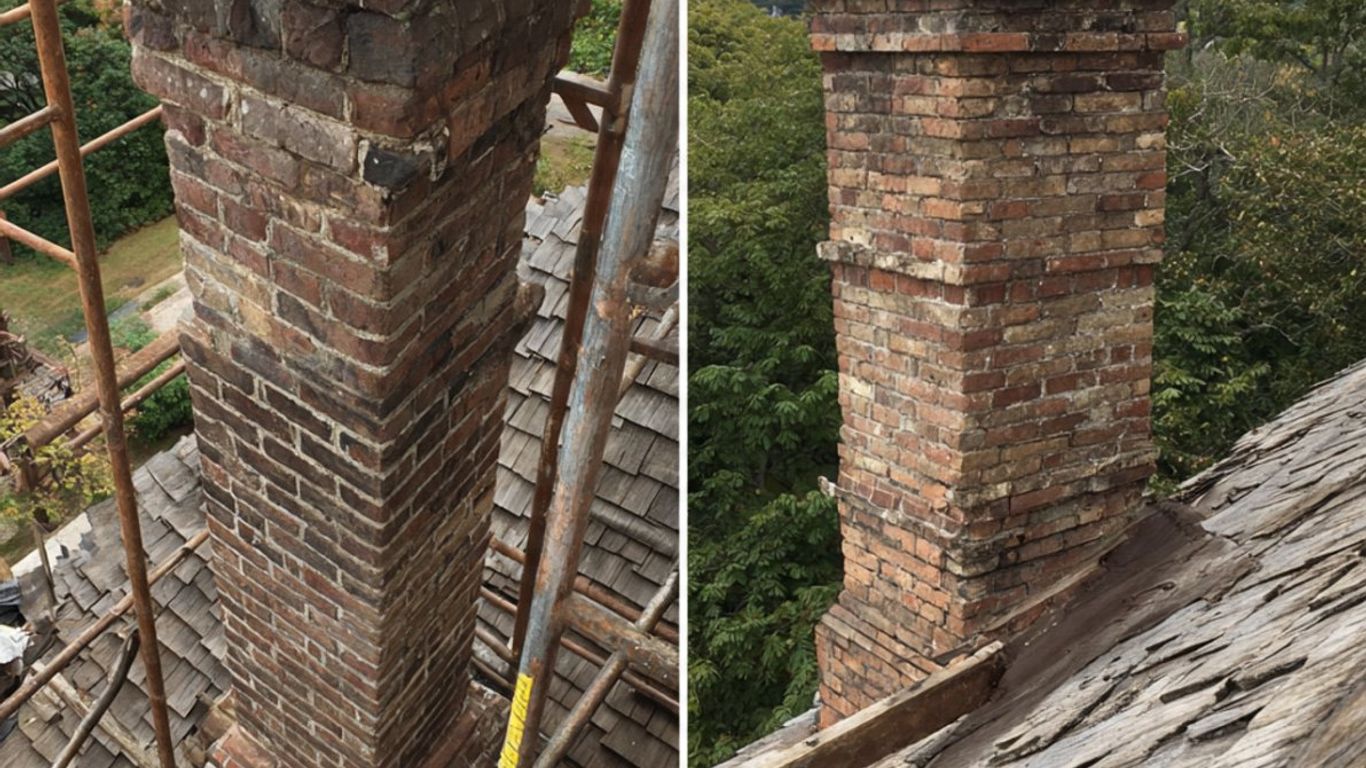
Your chimney is more than just a way to vent smoke; it’s a critical part of your home’s structure and safety. Over time, weather and wear can take their toll, leading to problems that need attention. Ignoring these issues can turn small fixes into big, expensive headaches. This guide is all about understanding how to keep your brick chimney in good shape, focusing on expert brick chimney repair to keep things safe and sound.
Key Takeaways
- Chimneys can break down over time due to weather and other factors, affecting your home’s safety.
- Common problems include crumbling mortar, damaged caps, and cracks that let water in.
- Professional brick chimney repair, like tuckpointing and cap replacement, fixes these issues and stops more damage.
- Hiring experienced masons is safer and more effective than trying DIY repairs, leading to a longer-lasting chimney.
- Regular check-ups and upkeep are the best ways to catch small problems early and keep your chimney working well for years.
Understanding Chimney Deterioration
Chimneys, bless their hearts, take a beating. They’re out there, day in and day out, facing the brunt of whatever Mother Nature throws at them. Rain, snow, wind, sun – it all adds up. Over time, this constant exposure wears down the materials, especially the mortar holding the bricks together. It’s not just about looking a bit rough; this deterioration can actually become a safety issue if left unchecked.
Common Causes of Chimney Damage
So, what exactly causes a chimney to start looking worse for wear? Well, a big one is water. It seems simple, but water is sneaky. It gets into tiny cracks in the mortar, and then, if it gets cold enough, it freezes. When water freezes, it expands, and that expansion puts a lot of pressure on the surrounding brick and mortar. This is called the freeze-thaw cycle, and it’s a real problem, especially in places with cold winters. You might see bricks starting to chip away, a process called spalling, or the mortar itself might start to crumble. Another culprit is just plain old age and wear. The materials used decades ago might not hold up as well as modern ones, and constant use, even just from the heat and smoke, can take its toll.
Signs of a Compromised Chimney Structure
How do you know if your chimney is starting to have problems? Keep an eye out for a few key things. The most obvious sign is crumbling mortar. If you can touch the mortar and it feels like sand or powder, that’s not good. You might also see gaps between the bricks that are wider than about an eighth of an inch. Sometimes, you’ll notice a white, chalky residue on the outside of the bricks – that’s called efflorescence, and it means water is moving through the mortar and leaving salts behind. Loose or missing bricks are also a big red flag. And don’t forget to look down; if you’re finding pieces of brick or mortar on the ground around your house, it’s definitely time to pay attention.
The Impact of Weather on Masonry
Weather is probably the biggest factor when it comes to chimney damage. Think about it: your chimney is the tallest part of your house, sticking up into the sky, exposed to everything. Intense sun can dry out and crack mortar over long periods. Wind can carry abrasive particles that wear away at surfaces. But the real kicker is often the temperature swings. In many places, you get warm days followed by freezing nights, sometimes even within the same day. This constant expansion and contraction of the masonry materials puts stress on the joints. Over years, this repeated stress can lead to cracks, loose bricks, and a chimney that’s not as strong as it should be. It’s why regular checks, especially after harsh seasons, are so important for chimney mortar deterioration.
The constant battle between the elements and your chimney’s structure means that even small issues, like hairline cracks in the mortar, can grow into significant problems if not addressed promptly. Ignoring these early warnings is like hoping a small leak in your roof will just fix itself – it rarely does.
Here’s a quick rundown of what to look for:
- Crumbling Mortar: Feels like sand or powder to the touch.
- Visible Gaps: Spaces between bricks wider than 1/8 inch.
- Efflorescence: White, chalky residue on brick surfaces.
- Spalling Bricks: Bricks that are chipping, flaking, or breaking apart.
- Loose or Missing Bricks: Bricks that are no longer securely in place.
- Water Stains: Dark marks below windows or on the chimney exterior.
Dealing with these issues is key to preventing more serious problems down the line, especially with the challenges posed by freeze-thaw cycles.
Comprehensive Brick Chimney Repair Services
When your chimney starts showing its age, it’s not just an eyesore; it’s a potential safety hazard. Our team tackles common chimney problems head-on, making sure everything is solid and secure.
Expert Tuckpointing for Mortar Joints
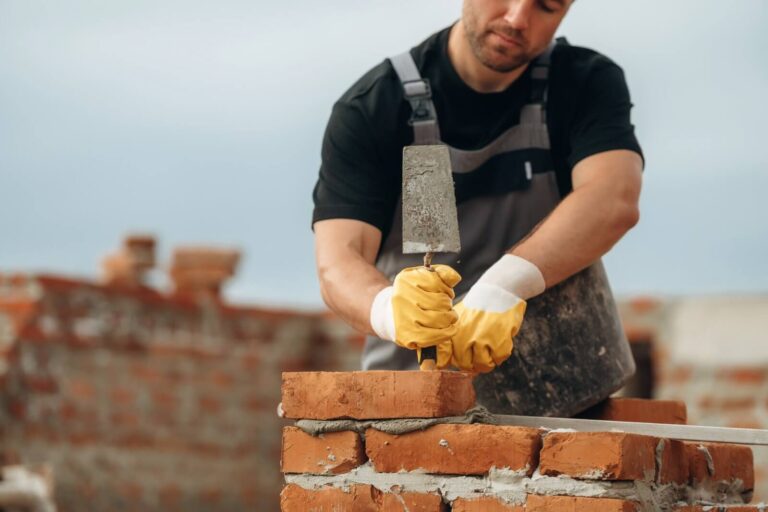
Mortar is like the glue holding your chimney together. Over time, weather and wear can cause it to crumble or crack. This opens the door for water to get in, which can freeze and expand, making the damage even worse. Our tuckpointing service carefully removes the old, damaged mortar and replaces it with a new mix that matches your existing chimney. This process is key to preventing water intrusion and keeping your chimney structurally sound. It’s not just about looks; it’s about stopping problems before they start.
Chimney Cap Repair and Replacement
The chimney cap is your chimney’s hat, protecting it from rain, snow, animals, and debris. If it’s damaged, bent, or missing, all sorts of unwanted things can get into your chimney. We inspect caps for rust, holes, or loose fittings. Depending on the damage, we can repair it or replace the entire cap with a durable new one. A good cap is a simple but effective way to keep your chimney working right.
Brick Replacement and Masonry Restoration
Sometimes, individual bricks can get damaged, cracked, or even fall out. This can happen from extreme temperatures, impact, or just plain old wear and tear. We carefully remove damaged bricks and replace them with new ones that match the size, color, and texture of your existing brickwork. For more widespread issues, we offer masonry restoration services to bring the whole chimney back to its former glory, fixing not just bricks but also any decorative elements. This makes sure your chimney is both safe and looks good.
Addressing chimney issues promptly is always the best approach. Small problems, like a few cracked mortar joints or a damaged cap, can quickly turn into major, expensive repairs if ignored. Think of it like a small leak in your roof – you fix it before it causes water damage to your ceiling and walls.
Here’s a quick look at what we focus on:
- Mortar Joint Repair: Replacing deteriorated mortar to prevent water entry.
- Cap Maintenance: Fixing or replacing damaged chimney caps.
- Brickwork: Swapping out cracked, spalled, or missing bricks.
- Structural Assessment: Checking for and addressing any underlying structural weaknesses.
We aim to restore your chimney’s integrity and appearance, making it safe and functional for years to come. If you’re noticing signs of wear, it’s a good idea to get it checked out. You can find more information on chimney spalling brick repair services if you suspect that might be an issue.
Ensuring Structural Integrity and Safety
Keeping your chimney solid and safe is a big deal. It’s not just about how it looks; it’s about making sure it won’t cause problems down the line. Think of it like the foundation of your house – if that part is shaky, everything else is at risk.
Stabilizing Damaged Chimney Walls
Sometimes, chimney walls can start to lean or bulge. This usually happens because the mortar between the bricks has worn away, or maybe water has gotten in and frozen, pushing things apart. When you see cracks or the wall looks like it’s bowing out, that’s a sign it needs attention. We can fix this by carefully removing the damaged sections and rebuilding them with strong, new mortar. It’s about making sure the whole structure is sound and can handle the weight and the weather.
Addressing Chimney Leaks and Water Intrusion
Water is the enemy of masonry. Even small cracks can let rain and snow seep into your chimney. This water can then freeze and expand, making those cracks even bigger. Over time, this constant cycle can weaken the entire chimney. We look for where the water might be getting in – maybe it’s the cap, the flashing where the chimney meets the roof, or just worn-out mortar joints. Fixing these entry points is key to preventing further damage. Sometimes, applying a special sealer can help keep water out, especially on porous surfaces. Protecting your chimney from water is a major part of keeping it safe.
Preventing Future Structural Failures
Nobody wants a chimney to suddenly become a hazard. The best way to avoid that is through regular check-ups and proactive repairs. This means keeping an eye on things like the chimney cap, making sure it’s secure and not letting water in. It also involves checking the flashing around the chimney where it meets your roof – this is a common spot for leaks. We also look at the overall condition of the brickwork and mortar. Addressing small issues like crumbling mortar or loose bricks before they become big problems is way smarter and cheaper than dealing with a major collapse. It’s all about staying ahead of the game to keep your home safe.
A well-maintained chimney isn’t just about preventing fires; it’s about the overall health and safety of your home’s structure. Ignoring small signs of wear can lead to much larger, more expensive, and potentially dangerous issues down the road.
The Importance of Professional Brick Chimney Repair
Look, fixing up your house can feel like a never-ending project, right? And when it comes to something like your chimney, it’s easy to think, ‘Eh, it’s probably fine.’ But here’s the thing: a damaged chimney isn’t just an eyesore; it’s a potential safety hazard. Trying to tackle chimney repairs yourself, especially if you’re not experienced, can actually make things worse. It’s like trying to perform surgery with a butter knife – you might mean well, but the outcome is usually not great.
Why DIY Chimney Repair Is Risky
Let’s be real, YouTube tutorials make a lot of things look simpler than they are. Chimney repair involves working at heights, dealing with potentially unstable structures, and understanding how different materials interact. One wrong move, like using the wrong type of mortar or not properly sealing a joint, can lead to bigger problems down the line. You might save a few bucks upfront, but the cost of fixing mistakes made by an amateur can quickly add up. Plus, there’s the personal safety risk – falling from a ladder or roof is no joke.
Benefits of Hiring Experienced Masons
When you bring in seasoned professionals, you’re not just paying for labor; you’re paying for knowledge and skill. These folks have seen it all. They know the specific types of mortar that work best for older homes addressing chimney problems early with professional repair services ensures the safety, efficiency, and longevity of your chimney, understand how to properly assess structural weaknesses, and have the right tools for the job. They can spot issues you’d never notice and fix them correctly the first time. It’s about getting it done right, safely, and in a way that lasts.
Long-Term Durability Through Expert Workmanship
Think of professional chimney repair as an investment. A skilled mason doesn’t just patch things up; they restore the chimney’s integrity. This means using appropriate materials, like lime-based mortars for older structures, and employing techniques that will hold up against weather and use for years to come. Properly executed repairs prevent future water damage, improve chimney performance, and significantly reduce the risk of costly emergency fixes later on. It’s about peace of mind, knowing your chimney is safe, functional, and won’t become a major headache in a few seasons.
Maintaining Your Chimney’s Longevity
Your chimney works hard year-round, facing everything from scorching sun to freezing snow. To keep it safe and looking good for years to come, a little regular attention goes a long way. Think of it like taking care of your car – regular check-ups and minor fixes prevent big, expensive problems down the road.
Preventative Maintenance Strategies
Proactive care is key. This means keeping an eye out for small issues before they turn into major headaches. For instance, the mortar between your bricks is like the glue holding everything together. When it starts to crumble or crack, water can get in, and that’s when real trouble begins, especially when that water freezes and expands.
- Waterproofing: Applying sealants can help keep moisture out of porous bricks and mortar. This is especially important in areas that get a lot of rain or snow.
- Cap and Crown Care: The chimney cap protects the top from rain, animals, and debris. If it’s damaged or missing, water can easily get into the chimney structure.
- Gutter Cleaning: Believe it or not, clogged gutters can cause water to back up and seep into your chimney’s foundation or walls.
- Vegetation Management: Keep trees and shrubs trimmed back from the chimney. Overhanging branches can trap moisture and debris.
The Role of Regular Inspections
Scheduling routine inspections is one of the smartest things you can do. A professional can spot problems you might miss, like hairline cracks in the mortar or early signs of spalling bricks. Catching these issues early means simpler, less costly repairs. For example, if mortar is crumbling like sand, it needs attention right away to stop water from getting into the brickwork. Regular chimney inspections are your first line of defense against deterioration.
Protecting Your Investment with Quality Repairs
When repairs are needed, using quality materials and skilled workmanship is non-negotiable. It might seem like a good idea to save a few bucks, but cheap fixes rarely last. We’re talking about using the right kind of mortar that matches your existing brick, ensuring proper tuckpointing that seals out water, and making sure any brick replacements blend in and are structurally sound. Investing in quality repairs now saves you money and headaches later. It’s about making sure your chimney is not just fixed, but fixed right, so it can continue to serve your home safely and effectively for many years.
Taking care of your chimney isn’t just about looks; it’s about safety. A well-maintained chimney prevents fire hazards and ensures proper ventilation for your home. Don’t wait for a problem to become a crisis. Regular maintenance and timely repairs are the best way to protect your home and your family.
Keeping your chimney in good shape is super important for making it last a long time. Regular check-ups and small fixes now can stop big problems later. Don’t wait until it’s too late to care for this vital part of your home. Visit our website today to learn more about how we can help you keep your chimney strong and safe for years to come!
Wrapping It Up
So, when it comes to your chimney, don’t wait for a problem to become a big, expensive headache. Taking care of those mortar joints and making sure the cap is in good shape really makes a difference. It’s all about keeping things safe and making sure your home stays solid for years to come. If you’re not sure where to start or just want to get it checked out, give us a call. We can help you figure out what needs doing and get it sorted.
Frequently Asked Questions
Why is my chimney showing cracks and crumbling mortar?
Chimneys face tough weather all year round. Rain, snow, and ice can seep into tiny cracks in the mortar. When it gets cold, this water freezes and expands, pushing the bricks apart and making the mortar crumble. Over time, this can make your chimney weak and unsafe.
What is tuckpointing, and why is it important for my chimney?
Tuckpointing is like giving your chimney’s mortar a much-needed update. We carefully remove the old, damaged mortar and replace it with new, strong mortar. This stops water from getting in, makes the chimney stronger, and stops it from falling apart further. It’s a key way to keep your chimney safe and sound.
How does the weather affect my brick chimney?
Weather is a chimney’s biggest enemy! Freezing and thawing is a major problem. Water gets into small cracks, freezes, expands, and breaks the bricks and mortar. Strong winds can also blow debris into the chimney, and heavy rain can wash away protective layers. Constant exposure really wears down the materials.
Is it safe to try fixing my chimney myself?
Fixing a chimney yourself can be very risky. Chimneys are high up, and working with masonry requires special skills and tools. Mistakes can lead to more damage, costly repairs later, or even serious injury. It’s always best to let experienced professionals handle chimney repairs to ensure they are done correctly and safely.
How often should I have my chimney inspected?
It’s a good idea to have your chimney checked out by a professional at least once a year. Think of it like a regular check-up for your car. These inspections help catch small problems before they turn into big, expensive ones, ensuring your chimney stays safe and works well.
What are the benefits of hiring experts for chimney repair?
Hiring experts means you’re getting skilled masons who know exactly what your chimney needs. They use the right materials and techniques to make sure the repairs are strong and last a long time. This keeps your home safe, prevents future damage, and saves you money in the long run compared to dealing with major issues later on.