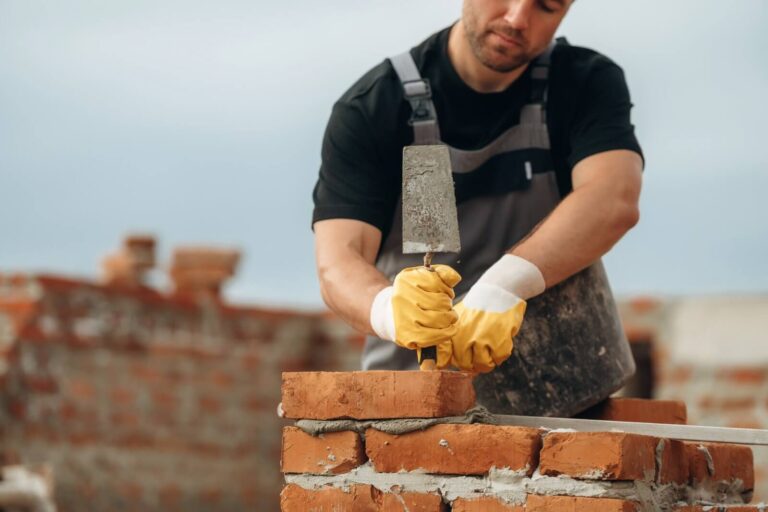

Parapet walls are a common feature on many buildings, sitting right at the edge of the roof. They do more than just look nice; they actually serve a purpose. But like any part of a building exposed to the weather, they can get beat up over time. We’re going to talk about what these walls do, why they sometimes fall apart, and what you can do to keep them in good shape. It’s not super complicated, but it’s important stuff for keeping your building solid.
Key Takeaways
- Parapet walls act as both a protective barrier and an aesthetic element on buildings, but they are highly exposed to weather.
- Moisture infiltration, especially freezing and thawing cycles, is a primary cause of damage to parapet walls.
- Regular maintenance, like sealing gaps and repairing mortar, is vital for extending the life of parapet walls and preventing bigger problems.
- Structural issues such as cracking and failing mortar require professional attention to maintain building stability.
- Advanced moisture management and professional repair services are necessary to protect parapet walls from damage and ensure long-term durability.
Understanding Parapet Wall Functionality
The Role of Parapet Walls in Building Design
Parapet walls are those short walls that extend above the main roofline of a building. They might seem like just an extra bit of brick or stone, but they actually play a pretty big role in how a building looks and functions. Think of them as the finishing touch on the roof’s edge. They can really change the whole vibe of a building, making it look more finished or even adding a bit of flair. But it’s not all about looks; they do have some practical jobs too.
Protective Barriers and Aesthetic Features
One of the main jobs of a parapet wall is safety. They act as a barrier, preventing people or things from accidentally falling off the roof. This is super important for any building with an accessible roof area, like a terrace or a flat roof. Beyond just safety, though, they contribute a lot to the building’s appearance. A well-designed parapet can give a building a more solid, grounded look, or it can be shaped to add architectural interest. They can hide rooftop equipment, too, which is a nice bonus for the overall look.
Here’s a quick look at their dual purpose:
- Safety: Stops falls from roof edges.
- Aesthetics: Adds architectural detail and a finished look.
- Concealment: Hides HVAC units, vents, and other rooftop machinery.
Susceptibility to Weathering and Moisture Intrusion
Now, here’s where things can get tricky. Because parapet walls stick up above the main roof, they’re constantly getting hit by the weather. Rain, snow, wind – they take a beating. This constant exposure means they’re more likely to develop problems over time. Small cracks in the mortar or gaps in the coping (the top covering of the wall) can let water sneak in. This is especially bad news when winter rolls around. That water trapped inside can freeze, and when water freezes, it expands. This expansion puts a lot of pressure on the masonry, and over time, it can really start to break down the wall. It’s a cycle that, if not managed, leads to bigger issues down the road. Keeping an eye on these walls is key to preventing major damage.
Common Parapet Wall Deterioration Issues
Parapet walls, while adding a nice touch to a building’s look and offering some protection, are pretty much out there on their own when it comes to the weather. They’re constantly taking a beating from rain, sun, wind, and temperature swings. This constant exposure means they’re more likely to develop problems over time.
The Impact of Freezing and Expansion on Walls
One of the biggest culprits for damage, especially in colder climates, is water. When rain or snowmelt gets into tiny cracks or gaps in the mortar or the coping stones on top, it can get trapped. Then, when the temperature drops below freezing, that water turns to ice. Ice takes up more space than water, so it pushes outwards. This freezing and expanding action puts a lot of stress on the masonry. Over many freeze-thaw cycles, this can cause mortar to crumble, bricks to crack, and even the coping stones to shift or break apart. It’s a slow process, but it can really weaken the wall over time.
Consequences of Neglected Parapet Wall Damage
Ignoring these small issues can lead to bigger, more expensive problems down the road. If water keeps getting in and freezing, the damage just gets worse. You might start seeing more significant cracks, loose bricks, or even sections of the wall starting to sag or bulge. This not only looks bad but also compromises the structural integrity of the wall. Eventually, this can lead to parts of the parapet wall failing, which is a serious safety hazard. Water that gets into the parapet can also seep down into the main building structure, causing interior water damage, mold growth, and even affecting the roof system. It’s a domino effect that you definitely want to avoid.
Preventing Extensive Damage Through Early Intervention
The good news is that most of this damage can be stopped if you catch it early. Regular check-ups on your parapet walls are key. Things like small cracks in the mortar, gaps where water can get in, or even just signs of wear and tear on the coping stones should be addressed promptly. Fixing these minor issues before they become major problems is much cheaper and easier than dealing with a wall that’s falling apart. It’s all about staying ahead of the game and not letting little problems turn into big, costly repairs. Think of it like going to the dentist for regular cleanings – it’s way better than waiting until you have a toothache.
Essential Parapet Wall Maintenance Strategies
Parapet walls, those extensions of walls above the roofline, are constantly battling the elements. Because they’re so exposed, they can take a beating from rain, snow, and temperature swings. Neglecting them is like ignoring a small leak in your roof – it might seem minor now, but it can turn into a big, expensive problem later on. Regular maintenance is your best defense against serious damage and costly repairs.
Proactive Steps for Extending Wall Lifespan
Keeping your parapet walls in good shape doesn’t have to be a huge chore. A little bit of attention goes a long way. Think of it like taking care of your car; regular oil changes and tire rotations prevent major breakdowns. For parapet walls, this means:
- Sealing Gaps: Keep an eye out for any small cracks or openings, especially where the wall meets the roof or coping. These are prime spots for water to sneak in. Using appropriate sealants can block these entry points.
- Repairing Mortar Joints: Over time, mortar can crumble or erode. If you see mortar that looks like sand or has fallen out, it needs to be addressed. This is where tuckpointing comes in, replacing the old, damaged mortar with new, color-matched material.
- Checking Copings: The coping is the cap on top of the parapet wall. It’s designed to shed water away from the wall. If it’s loose, cracked, or missing, water can seep down into the wall structure, causing all sorts of trouble.
The Importance of Regular Inspections
How do you know if your parapet walls need attention? You’ve got to look at them! And not just once in a blue moon. Scheduling regular inspections, maybe once or twice a year, is super important. You can do a quick visual check yourself, but for a really thorough look, it’s best to bring in a professional. They know what to look for – things like hairline cracks you might miss, signs of efflorescence (that white powdery stuff that means water is moving through), or even subtle shifts in the masonry. Catching these issues early, before they become big problems, can save you a ton of headaches and money. It’s about preventing extensive damage through early intervention [c883].
Sealing Gaps and Repairing Mortar Joints
When you notice gaps or crumbling mortar, it’s time to act. Gaps, especially around windows, doors, or where different materials meet, can let water and air into your building. Properly sealing these with durable caulking or sealants is key. For mortar joints, the process often involves tuckpointing. This isn’t just slapping some new cement in there; it’s a careful process of removing the old, deteriorated mortar to a specific depth and then filling the joint with a new mortar mix that matches the original in color and strength. This not only makes the wall look better but also restores its ability to keep water out and hold bricks together. It’s a pretty straightforward way to keep your walls solid and prevent bigger issues down the line.
Don’t wait until you see obvious signs of damage like crumbling bricks or water stains. Proactive maintenance, including regular inspections and timely repairs of mortar joints and gaps, is the most effective way to ensure the longevity and structural integrity of your parapet walls.
Structural Repairs for Parapet Walls
Addressing Cracking and Failing Mortar
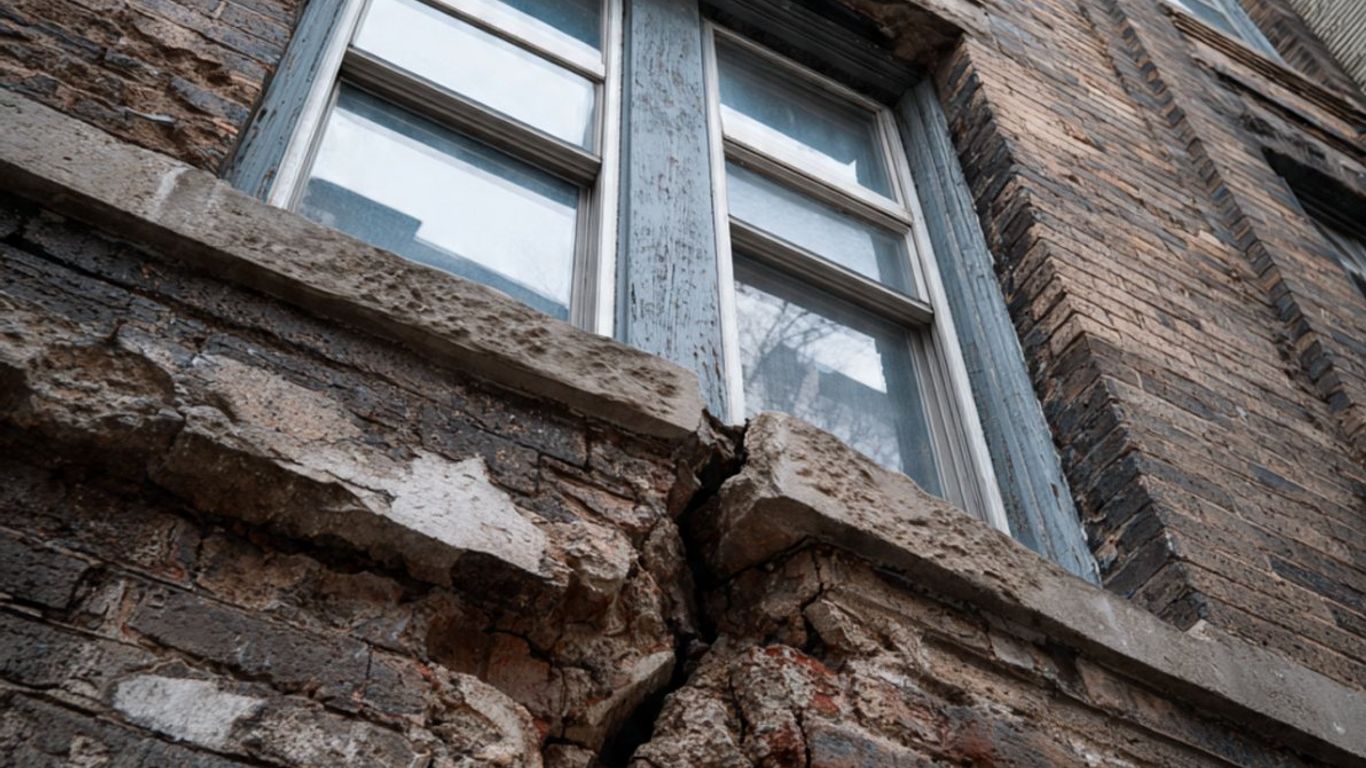
When you start seeing cracks in your parapet walls or the mortar looks like it’s crumbling away, that’s a pretty clear sign something needs attention. It’s not just about how it looks, though that’s part of it. This kind of damage means water can get in, and as we know, water freezing and expanding is a major enemy of masonry. We’re talking about mortar that’s "crumbling like sand" or "turning to powder." If more than a quarter-inch of the mortar has worn away, or if you see gaps wider than 1/8 inch between bricks, it’s time to get serious about repairs. Ignoring these signs can lead to bigger, more expensive problems down the road, like structural failure. It’s way better to catch these issues early.
Ensuring Long-Term Building Stability
Fixing cracks and crumbling mortar is the first step, but it’s all about making sure the whole structure stays stable for years to come. This means looking at the bigger picture. We need to make sure the parapet walls are properly tied into the main building structure and that any repairs we do will last. This might involve reinforcing weakened areas or even rebuilding sections that are too far gone. The goal is to prevent future structural issues and keep the building safe for everyone inside and out. It’s about peace of mind, knowing the work done will hold up against the elements.
The Necessity of Parapet Rebuilding
Sometimes, the damage to a parapet wall is just too extensive to repair effectively. If the mortar is severely deteriorated, bricks are spalling or falling out, or the wall is leaning, a full rebuild might be the only sensible option. This isn’t a decision to take lightly, as it’s more involved than simple repairs. However, rebuilding ensures that the parapet wall is constructed with modern materials and techniques, providing a durable, weather-resistant barrier that will last for decades. It’s an investment in the long-term health and safety of your building. For buildings in areas with harsh weather, getting a handle on parapet wall repair and maintenance is particularly important.
Advanced Moisture Management for Parapet Walls
Installing Flexible and Rigid Moisture Barriers
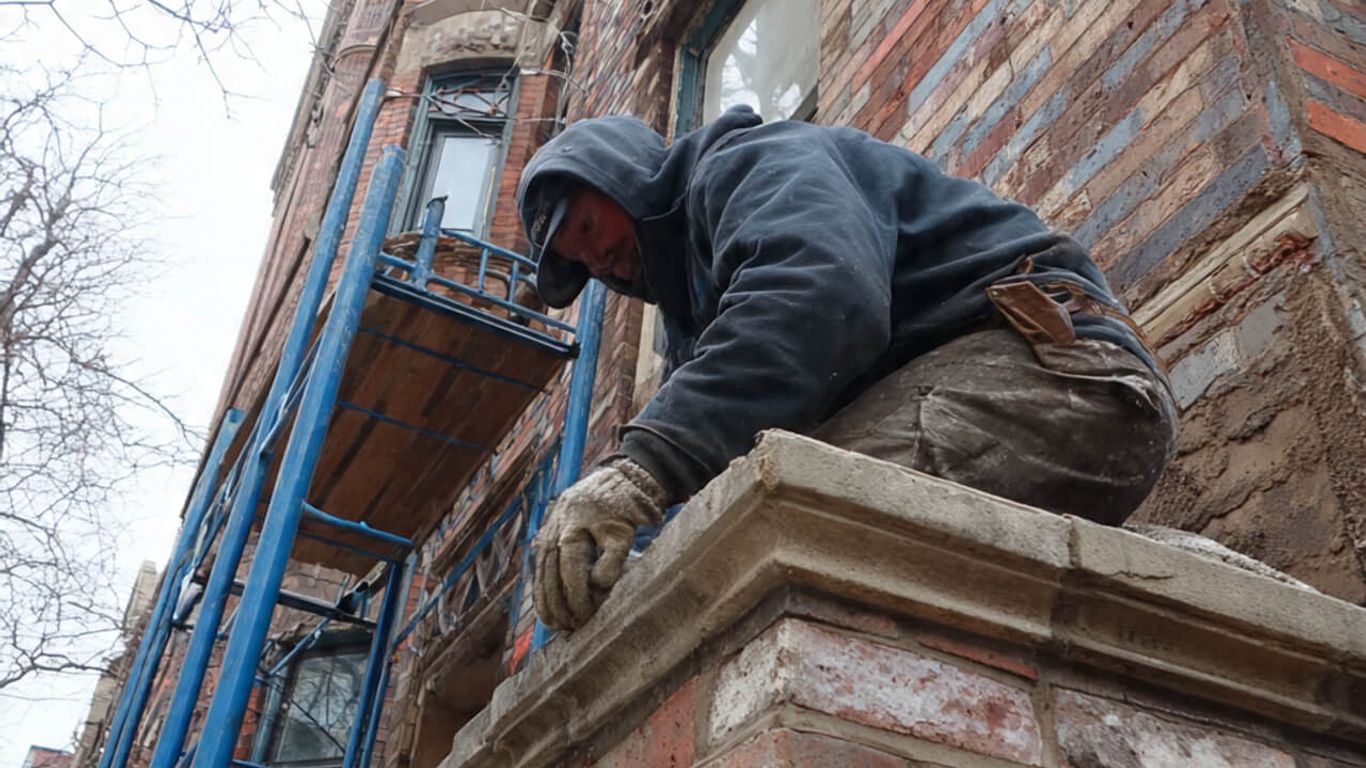
Parapet walls are constantly battling the elements, and water is their biggest enemy. When moisture gets into the wall structure, it can cause all sorts of problems, from freeze-thaw damage to corrosion of metal components. That’s where good moisture management comes in. We’re talking about installing barriers that stop water in its tracks. You’ve got options here, like flexible membranes, often made of PVC, which can bend and seal around irregularities. Then there are the rigid materials, such as copper, aluminum, or lead. These are tough and provide a solid barrier. The goal is to divert any water that tries to sneak into the wall, keeping the inside dry and the structure sound. It’s all about creating a defense system for your parapet.
Diverting Moisture to Prevent Interior Damage
So, you’ve got these barriers in place, but what happens to the water they catch? That’s where diversion comes in. Think of it like a drainage system for your wall. Proper flashing, for instance, is key. It’s designed to overlap membranes and guide water away from the building. If this isn’t done right, water can still find its way in, potentially causing damage inside your building or even corroding steel lintels above windows and doors. We need to make sure water is directed away from the structure, not pooling up against it. It’s a pretty straightforward concept: get the water out and away from the building’s core.
Protecting Steel Lintels from Corrosion
Steel lintels are those structural supports above openings like windows and doors. They’re often hidden, but they’re super important. When moisture gets past the parapet wall’s defenses, it can start to rust these steel lintels. Rusting steel expands, which can crack surrounding masonry and weaken the support. This is a big problem that can lead to costly repairs down the line. Installing effective moisture barriers and proper flashing helps prevent water from ever reaching these vulnerable steel components in the first place. It’s a proactive step that saves a lot of headaches and money later on. Making sure these hidden parts are protected is just as vital as the visible parts of the wall.
Water intrusion is a sneaky problem. It doesn’t always show up right away, but over time, it can seriously weaken your building’s structure. Proper moisture management isn’t just about keeping things dry; it’s about preserving the integrity and longevity of the entire building.
Here’s a quick look at common materials used for moisture barriers:
- PVC Membranes: Flexible, good for sealing irregular surfaces.
- Copper: Durable and long-lasting, but can be more expensive.
- Aluminum: Lighter than copper, corrosion-resistant.
- Lead: Malleable and effective, though less common now due to environmental concerns.
Choosing the right material often depends on the specific wall construction, budget, and desired lifespan of the repair. Consulting with a professional can help determine the best fit for your situation. You can find more information on high-performance building solutions that include waterproofing aspects on blogs like Siplast RISE.
Regular inspections are also a big part of keeping these systems working. You need to check that the flashing is still in place and that there are no new gaps where water could get in. It’s like giving your parapet wall a regular check-up to make sure its defenses are still strong. When installing or maintaining parapet walls, it’s important to inspect the wall surface for any cracks or unevenness.
Professional Parapet Wall Repair Services
Expert Assessment of Parapet Wall Condition
When your parapet walls start showing signs of wear and tear, it’s not something you want to put off. These walls are constantly battling the elements, and over time, that takes a toll. You might notice cracks, crumbling mortar, or even sections that seem to be leaning a bit. Getting a professional to look at it early can save you a lot of headaches and money down the road. They know what to look for – things like moisture getting into the joints, which can freeze and expand in the winter, really doing a number on the masonry. An expert assessment means they’ll check for all those hidden issues before they become big problems.
Utilizing Industry-Leading Repair Techniques
Once the problem is figured out, the next step is fixing it right. This isn’t usually a DIY job. Professionals have the tools and the know-how to use the best methods for parapet wall repair. This could involve anything from carefully removing old, damaged mortar and replacing it with a new mix that matches your existing brickwork, to rebuilding entire sections of the wall if they’ve become too unstable. They also know how to properly seal up any gaps or cracks to keep water out, which is a huge part of preventing future damage. For serious structural issues, they might need to rebuild the parapet walls completely, making sure they’re solid and secure.
Ensuring Code Compliance and Durability
It’s not just about making the wall look good again; it’s about making sure it’s safe and built to last. Professionals are up-to-date on all the local building codes and regulations. This means any repairs or rebuilding they do will meet those standards, which is important for safety and can prevent issues with city inspectors down the line. They use materials and techniques that are designed to withstand weather and time, so you’re not just getting a quick fix. You’re investing in a repair that will keep your building protected for years to come. If you’re in New York City, companies like Pioneer Construction NYC specialize in these kinds of repairs.
Here’s a quick look at what professional services often include:
- Detailed inspection of the entire parapet wall system.
- Crack and mortar joint repair (tuckpointing).
- Replacement of damaged or missing bricks and stones.
- Rebuilding of severely compromised wall sections.
- Installation of coping caps and flashing to improve water drainage.
- Application of protective sealants where appropriate.
Dealing with parapet wall issues can feel overwhelming, but bringing in the pros makes a huge difference. They have the experience to diagnose the exact problem and apply the correct fix, making sure your building stays safe and looks great.
Is your building’s top edge looking a bit rough? We offer top-notch repair services for parapet walls, making sure they’re strong and look great. Don’t let small problems turn into big ones. Visit our website today to learn more and get a free quote!
Wrapping Up: Keeping Your Parapets in Shape
So, we’ve gone over what parapet walls are, why they’re important, and how they’re put together. It’s pretty clear that these walls, while looking simple, do a lot of work for our buildings. They’re the first line of defense against the weather, but that also means they take a beating. Keeping an eye on them, fixing small cracks or gaps before they get big, that’s the smart move. It saves you headaches and a lot of cash down the road. Think of it like regular check-ups for your house – a little attention now means fewer big problems later. If you’re unsure about what to look for or how to fix things, don’t hesitate to call in the pros. They know what they’re doing and can make sure your parapet walls stay strong and do their job for years to come.
Frequently Asked Questions
What exactly is a parapet wall and why do buildings have them?
A parapet wall is like a short wall that sticks up above the main roofline of a building. It’s not just for looks; it helps keep people safe by acting as a barrier around the edge of the roof. It can also add a nice finished look to the building’s appearance.
What kind of problems can happen to parapet walls?
Since parapet walls are outside all the time, they deal with a lot of weather. Rain, snow, and ice can get into tiny cracks or spaces in the wall. When water freezes and then thaws, it expands and can push the wall apart, causing cracks or making the material break down over time.
Why is it important to fix small problems with parapet walls early?
If you ignore small cracks or loose bits of mortar, water can get in and cause much bigger damage, especially when it freezes. Fixing these small issues early stops them from turning into huge problems that could cost a lot more money and effort to repair later on. It’s like fixing a small leak before it floods your house!
How can I keep my parapet walls in good shape?
The best way is to check on them regularly. Look for any cracks, crumbling mortar, or loose pieces. Sealing up any small gaps and fixing the mortar joints can stop water from getting in. Think of it like giving your walls a regular check-up to make sure they’re healthy.
What happens if a parapet wall gets really damaged?
If a parapet wall is badly damaged, it might not be safe anymore. In serious cases, the whole wall might need to be taken down and rebuilt. This is a big job and costs more than fixing small issues. That’s why it’s super important to take care of them before they get to that point.
Do I need a professional to fix my parapet wall?
For small repairs like sealing a minor crack, you might be able to do it yourself. But if you see big cracks, crumbling mortar, or if the wall looks like it’s leaning, it’s best to call in experts. They have the right tools and know-how to fix it correctly and make sure it’s safe and strong.