Your home’s brickwork is more than just a pretty face; it’s a critical part of its structure. Over time, weather and wear can take their toll, leading to issues that range from minor cosmetic problems to serious structural concerns. Addressing these problems with proper brick repair is key to keeping your house safe, sound, and looking its best. This guide will walk you through what to look for and what to expect when it comes to fixing up your brick.
Key Takeaways
- Watch for crumbling mortar, gaps between bricks, or loose/missing bricks, as these are common signs that brick repair is needed.
- Water damage, often worsened by freezing and thawing, can cause bricks to crack and requires prompt attention.
- Professional services like tuckpointing, brick replacement, and chimney repair restore both the look and strength of your masonry.
- Structural repairs, such as replacing lintels or reinforcing walls, are vital for your building’s safety and long-term stability.
- Regular inspections and preventative maintenance, like waterproofing, can stop small issues from becoming big, expensive problems.
Understanding Common Brick Repair Needs
When you look at your house, you want it to look good, right? And you definitely want it to be solid. Brick is great for that, but like anything, it can start to show its age or have problems. It’s not always obvious what’s going on, but there are some common things to watch out for that signal it’s time to call in the pros.
Identifying Deteriorating Mortar Joints
Mortar is the stuff that holds your bricks together. Over time, especially with Chicago’s crazy weather swings, this mortar can start to break down. You might notice it crumbling when you touch it, almost like sand. Sometimes, you’ll see little gaps forming between the bricks, and these gaps are like open doors for water to get in. A really common sign is a white, powdery residue on the brick surface – that’s called efflorescence, and it means water is moving through the mortar and leaving salts behind. If you can see more than an eighth of an inch of the brick face peeking out because the mortar has worn away, it’s a pretty clear sign that repair is needed.
Recognizing Signs of Water Intrusion
Water is the enemy of brickwork. If you see dark stains running down your walls, especially below windows, that’s a big clue that water is getting behind the bricks. This often happens because the mortar joints are failing. When water gets trapped in those joints and then freezes during the winter, it expands and can crack or even pop off pieces of brick. It’s a cycle that can cause a lot of damage if you don’t catch it early. Keeping an eye out for these wet spots or stains is key to preventing bigger issues down the road. Learn about water damage.
Addressing Loose or Missing Bricks
This is usually a more advanced problem, but it’s important to know about. If bricks are loose, wobbly, or have fallen out entirely, it means the mortar holding them in place has failed pretty significantly. This isn’t just an appearance issue; it can affect the whole wall’s stability. Sometimes, damage from the elements or even impact can cause bricks to chip or break. Whatever the reason, any brick that isn’t firmly in place needs attention right away to keep the structure sound.
It’s easy to ignore small signs of wear and tear on your home’s exterior, but masonry problems rarely fix themselves. In fact, they usually get worse and more expensive the longer you wait. Being aware of these common issues is the first step toward protecting your home’s value and safety.
Comprehensive Brick Repair Services
When your brickwork starts showing its age, it’s more than just an eyesore; it can be a sign of deeper issues. That’s where our specialized services come in, tackling everything from minor cosmetic fixes to major structural repairs. We’re talking about bringing your brick back to life, making sure it looks good and stands strong for years to come.
Expert Tuckpointing and Repointing
This is probably the most common brick repair you’ll hear about. Tuckpointing, or repointing, is all about fixing up those mortar joints that have started to crumble or fall out. Over time, weather and wear can really take a toll on mortar. When it breaks down, water can get in, causing all sorts of problems, like freeze-thaw damage that makes bricks crack.
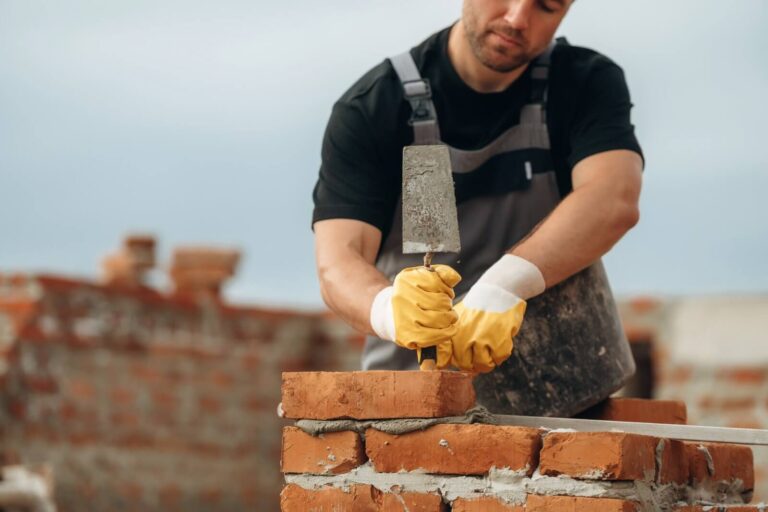
Our process involves carefully removing the old, damaged mortar to a specific depth, usually about three-quarters of an inch. Then, we mix new mortar that matches the color and texture of your existing joints as closely as possible. This attention to detail is key to making the repair look natural and not like a patch job. We then fill the joints, making sure they’re packed in tight to keep water out and give your walls that solid feel again. It’s a detailed process that really makes a difference in the overall look and health of your brickwork.
Brick Replacement and Restoration
Sometimes, it’s not just the mortar that’s the problem. You might have bricks that are cracked, spalled (where the surface flakes off), or just plain missing. In these cases, we need to replace the damaged bricks. We’re careful to source bricks that match your existing ones in size, color, and type, so the new bricks blend in seamlessly. It’s not just about swapping out a brick; it’s about making sure the new one fits perfectly and bonds well with the surrounding masonry.
Restoration is a bit broader. It can involve cleaning the brick to remove years of grime, stains, or efflorescence (that white powdery stuff that shows up when water evaporates through the brick). We might also address more complex issues like structural stabilization for walls that are leaning or bowing. The goal is to bring the entire brick surface back to its former glory, or even better, while preserving its original character. We handle brick replacement and restoration for both homes and commercial buildings.
Chimney and Parapet Wall Repair
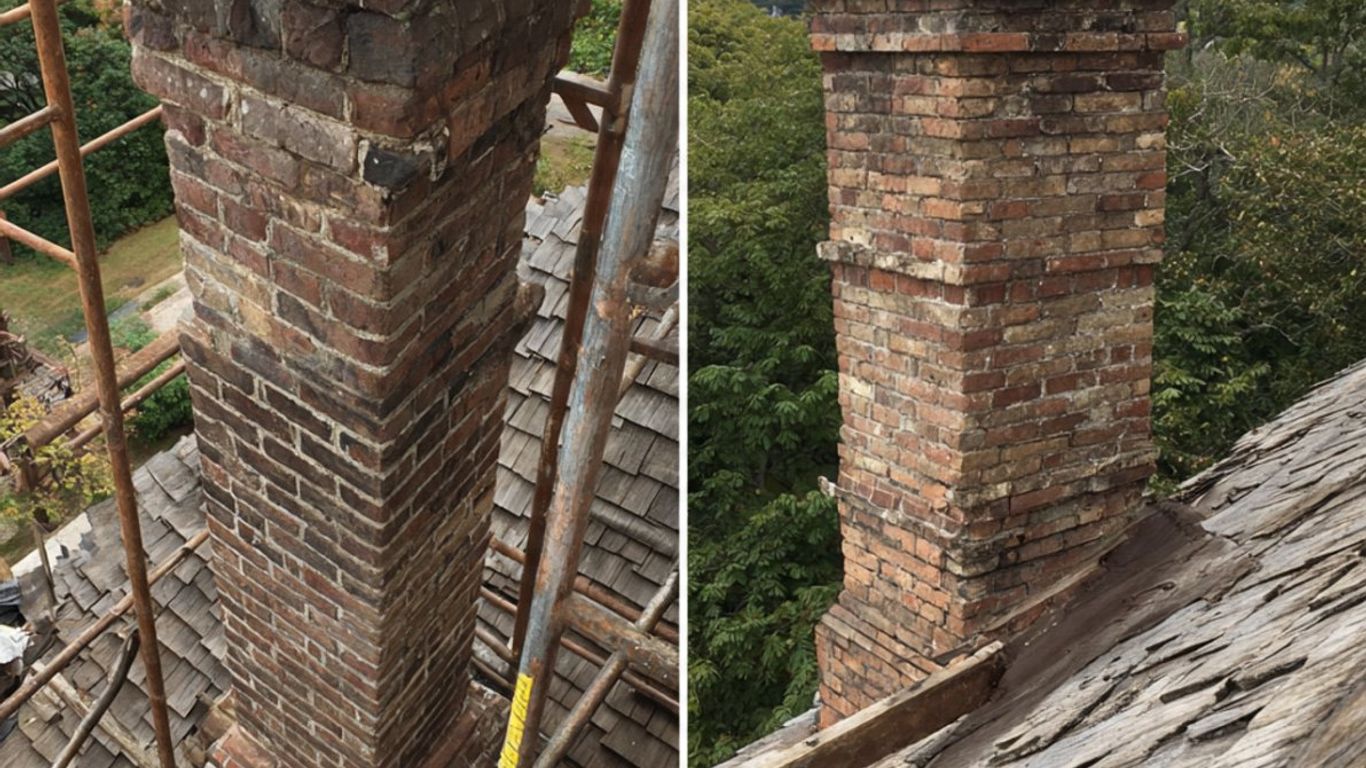
Chimneys and parapet walls (the low walls along the edge of a roof) are particularly exposed to the elements. They often suffer from mortar joint deterioration, cracked bricks, and sometimes even structural instability. A damaged chimney isn’t just a fire hazard; it can also lead to water leaks into your home. Similarly, a failing parapet wall can compromise your roof and the building’s overall structure.
Our services include:
- Complete mortar repair and tuckpointing for chimney structures.
- Replacing damaged or missing bricks in chimneys and parapet walls.
- Structural reinforcement and stabilization to prevent further damage.
- Addressing flashing issues around chimneys to prevent water intrusion.
These repairs are vital for the safety and longevity of your home. We make sure these critical elements are sound and weather-resistant. For example, we can handle chimney repair to ensure your chimney is safe and functional.
Structural Masonry Repair Solutions
Sometimes, the issues with your brickwork go beyond just looks. We’re talking about the stuff that holds your house together. Structural masonry repair is all about fixing those deeper problems that can affect the safety and stability of your home. It’s not just about patching up a few cracks; it’s about making sure the whole building is sound.
Lintel Replacement for Structural Support
Lintels are those horizontal supports, usually made of steel or stone, that sit above openings like doors and windows. They carry the weight of the masonry above, so if they start to fail, you’ve got a real problem. Think sagging brickwork or cracks forming above openings. Replacing a corroded or damaged lintel is super important. It puts the support back where it belongs and stops further damage from spreading. We make sure to use the right materials, often modern steel, that can handle the load and resist rust, which is a common issue with older lintels.
Reinforcing Compromised Walls and Foundations
Walls and foundations can weaken over time due to a bunch of things, like water getting in, soil shifting, or just plain old age. When this happens, you might see cracks appearing, or the walls might start to lean. We can reinforce these areas using various methods. This could involve injecting special grouts into cracks to fill them and add strength, or installing reinforcement bars to tie sections of the wall together. It’s about making sure the structure can handle the loads it’s supposed to without failing.
Stabilizing Load-Bearing Masonry Elements
Load-bearing elements are the parts of your building that carry the most weight – think structural walls, columns, and even parts of the foundation. If these start to crumble or shift, it’s a serious concern. We assess these critical areas to figure out the best way to stabilize them. This might involve rebuilding sections, adding internal reinforcement, or using specialized techniques to strengthen the existing masonry. The goal is always to restore the structural integrity and ensure the long-term safety of your home.
Addressing structural masonry issues requires a careful approach. It’s not a DIY job for most people because the consequences of getting it wrong can be severe. Professionals have the tools, knowledge, and experience to diagnose the exact problem and apply the correct fix without causing more damage.
Specialized Masonry Restoration
Historic Brick Facade Restoration
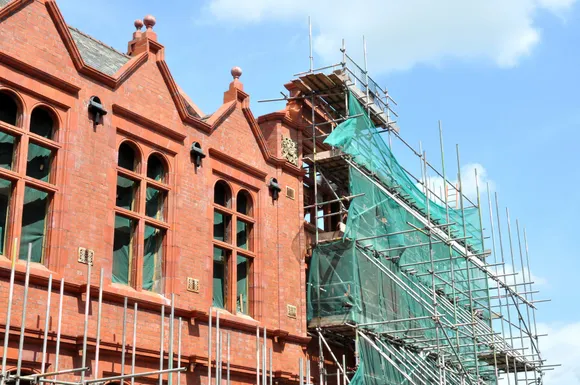
Restoring historic brick facades is a delicate art. It’s not just about making old bricks look new; it’s about preserving the building’s history and character. This often involves meticulous cleaning to remove years of grime without damaging the original brickwork. We might use gentle methods like low-pressure washing or specialized chemical treatments. Then comes the mortar work. We carefully match the color and texture of the existing mortar, often using historically accurate mixes. Replacing damaged bricks is done with great care, sourcing materials that are as close as possible to the originals. The goal is to make repairs that are virtually invisible, respecting the building’s original design.
Commercial Building Facade Repair
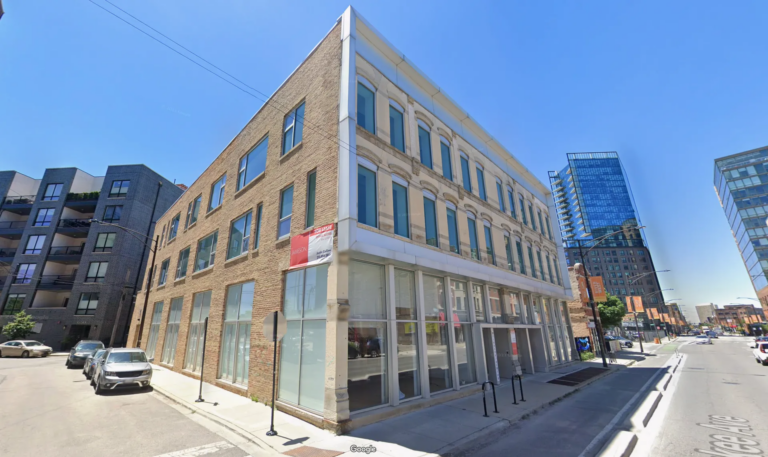
Commercial buildings face unique challenges. Their facades are exposed to more wear and tear, pollution, and sometimes, less-than-ideal previous repairs. Our approach here is about balancing aesthetics with durability and code compliance. We tackle issues like efflorescence (that white powdery stuff), water stains, and spalling bricks. Sometimes, it involves replacing entire sections of damaged brickwork or repointing large areas. We also focus on structural elements that might be failing, like parapet walls or lintels above windows and doors. Getting these repairs right means the building not only looks good but also remains safe and sound for years to come. We can help you resolve building violations that might be impacting your property’s appearance and safety.
Enhancing Curb Appeal and Longevity
Sometimes, the work we do is less about major structural issues and more about giving a building a fresh look and protecting it for the future. This can involve cleaning away dirt and biological growth that make a building look tired. We also focus on preventative measures. Applying water-repellent sealants can stop moisture from getting into the brick and mortar, which is especially important in areas with harsh winters. Properly sealed masonry can prevent freeze-thaw damage and extend the life of your building significantly. It’s amazing what a difference these specialized treatments can make, not just for how the building looks, but for its overall health and value.
Preventative Masonry Maintenance
Taking care of your brickwork before problems pop up is way smarter than waiting for a disaster. It’s like getting regular check-ups for your house’s exterior. This kind of upkeep stops small issues from turning into big, expensive headaches down the road.
Routine Inspections for Early Detection
Think of these inspections as your home’s "wellness visits." A trained eye can spot tiny cracks in the mortar, early signs of water seeping in, or even just a bit of wear and tear that you might miss. Catching these things early means a simple fix now can prevent major damage later. It’s about being proactive, not reactive.
- Look for crumbling mortar: If it feels like sand when you touch it, that’s a red flag.
- Check for gaps: Gaps wider than an eighth of an inch between bricks are an open invitation for water.
- Spot white powdery residue: This "efflorescence" often means water is getting into the brick and carrying minerals to the surface.
- Examine for loose or missing bricks: These are clear signs that the mortar holding them in place has failed.
Waterproofing Exterior Masonry Surfaces
Water is the enemy of brick and mortar. When water gets into tiny cracks and then freezes, it expands, pushing the bricks and mortar apart. This is why keeping your exterior surfaces sealed is so important. It’s not just about looks; it’s about protecting the structure itself. A good sealant acts like a raincoat for your house, keeping moisture out. This is especially important in areas that experience a lot of rain or snow. Regularly resealing your brick exteriors, perhaps every five years, can make a big difference in preventing water infiltration and damage. Protecting against water damage is key to longevity.
Protecting Against Freeze-Thaw Damage
This is a big one, especially if you live somewhere with cold winters. The cycle of freezing and thawing can really do a number on masonry. Water seeps into small cracks, freezes, expands, and then thaws, repeating the process. Over time, this weakens the mortar and can even cause bricks to crack or crumble. Making sure your mortar joints are sound and that water is properly directed away from your foundation is your best defense. Gutters and downspouts play a huge role here, so keep them clear and functioning.
Don’t wait until you see obvious signs of damage. Regular maintenance, like checking your gutters and ensuring proper drainage, can save you a lot of trouble and money in the long run. It’s about preserving the integrity of your home, one brick at a time.
Ensuring Quality Brick Repair Workmanship
When it comes to fixing up your brickwork, you want it done right. It’s not just about making things look good; it’s about making sure your home stays solid and protected for years to come. Getting the job done properly the first time saves you a lot of headaches and money down the road.
Choosing Qualified Masonry Contractors
Finding the right people for the job is the first big step. You don’t want just anyone with a trowel; you need folks who know their stuff. Look for contractors with a solid history, good reviews, and maybe even some certifications. It’s also smart to ask about their experience with the specific type of repair your house needs.
Here’s what to look for:
- Experience: How long have they been doing this kind of work?
- Reputation: What do past clients say? Check online reviews or ask for references.
- Licensing and Insurance: This protects you if something goes wrong.
- Specialization: Do they focus on brick repair, or is it just one small part of what they do?
Verifying Proper Tuckpointing Techniques
Tuckpointing is a big part of brick repair, and how it’s done matters a lot. It’s about removing old, worn-out mortar and replacing it with new stuff that matches. The goal is to make it look good and, more importantly, to keep water out.
- Mortar Removal: The old mortar should be ground out to a decent depth, usually about 3/4 inch, without damaging the bricks. This makes sure the new mortar has a good surface to stick to.
- Joint Filling: New mortar needs to fill the joints completely, with no air pockets. It should be packed in layers to get a solid bond.
- Finishing: The surface of the new mortar should be tooled to create a watertight seal that helps water run off the wall instead of soaking in.
- Cleanup: A good crew will clean up any mortar smears or stains from the bricks, leaving a clean, uniform look.
Understanding Material Quality and Durability
The materials used are just as important as the labor. Using the wrong kind of mortar can actually cause more problems later on. It’s best to match the new mortar to the original as closely as possible in terms of strength and composition. This helps the whole wall system work together as it should.
Quality brick repairs, when done correctly with proper material selection, should last for 50 years or more, matching the longevity of the original construction. This ensures a durable and aesthetically pleasing result for your property.
When you hire a contractor, ask them about the materials they plan to use. They should be able to explain why they chose a particular mix and how it will hold up over time. A reputable company will be happy to discuss these details and demonstrate their commitment to quality workmanship. Remember, good materials and good work mean your repairs will last.
Making sure your brickwork is fixed right is super important. We want to ensure the job is done well, so your repairs look great and last a long time. If you need any brick repairs, check out our website to see how we can help you get the best results.
Wrapping Up Your Brickwork
So, we’ve talked a lot about why keeping your brickwork in good shape matters. It’s not just about how your house looks, though that’s a big part of it. Solid brick and mortar mean a stronger, safer home for you and your family. Ignoring small cracks or crumbling bits can lead to bigger, more expensive problems down the road, like water getting in where it shouldn’t. Getting a professional to take a look, whether it’s for a quick tuckpointing job or a more involved repair, is a smart move. It protects your investment and keeps your home looking its best for years to come. Don’t wait until a small issue becomes a major headache – get it sorted.
Frequently Asked Questions
What are the first signs that my brickwork needs repair?
Keep an eye out for crumbling mortar, which might feel like sand when you touch it. Also, look for gaps between bricks that are wider than about an eighth of an inch, or if you see loose or missing bricks. White powdery spots on the brick (called efflorescence) can also mean water is getting through.
How often should I have my brickwork inspected?
It’s a good idea to get your brickwork checked at least once a year. This helps catch small problems early, like cracks or worn-out mortar, before they turn into bigger, more expensive issues, especially before winter when water can freeze and damage the bricks.
What is tuckpointing, and why is it important?
Tuckpointing is a special way of repairing mortar joints between bricks. It involves removing the old, damaged mortar and replacing it with new mortar that matches the color and texture of the original. This is super important because it stops water from getting into your walls, which can cause serious damage over time.
Can water damage affect my brick walls even if I don’t see leaks inside?
Yes, absolutely. Water can seep into tiny cracks in the mortar. In cold weather, this water freezes and expands, pushing the bricks apart and causing them to crack or crumble. You might see dark water stains below windows or on the exterior walls, which is a sign that water is getting in.
What’s the difference between brick repair and brick restoration?
Brick repair usually means fixing specific damaged areas, like replacing a few bricks or filling in cracks. Brick restoration is a more complete process that aims to bring back the original look and strength of older brickwork, often involving detailed cleaning, matching historic mortar, and reinforcing the structure.
How do I know if I need a professional mason for my brick issues?
If you see crumbling mortar, wide gaps between bricks, loose bricks, or significant water stains, it’s best to call a professional. They have the right tools and knowledge to fix these problems correctly and make sure your home stays safe and looks great for years to come.