Keeping your brick chimney in good shape is pretty important, not just for how it looks but for safety too. Sometimes, these chimneys can start to show their age, and that’s where things like brick chimney straps come into play. If you’ve noticed some wear and tear on your chimney, or you’re just looking to do some preventative maintenance, understanding what these straps are and how they work is a good idea. This guide will walk you through what you need to know about brick chimney straps, from why you might need them to how to keep them in good condition.
Key Takeaways
- Brick chimney straps are metal bands used to reinforce and secure masonry chimneys, helping to prevent structural damage from wind or settling.
- Regularly inspecting your chimney for signs of cracking, crumbling mortar, or loose bricks is vital to know if brick chimney straps are needed.
- Choosing the right type and material of brick chimney straps depends on your chimney’s size, design, and the local climate.
- Proper installation of brick chimney straps involves preparing the chimney surface and ensuring a tight, secure fit to provide effective support.
- Ongoing maintenance, including periodic checks of the straps and surrounding masonry, helps prolong the life of your chimney and the straps themselves.
Understanding Brick Chimney Straps
So, you’ve got a brick chimney, and you’re wondering about these things called chimney straps. What are they, really? And why should you even care? Let’s break it down.
What Are Brick Chimney Straps?
Basically, chimney straps are metal bands or ties that wrap around your chimney structure. Think of them like a belt for your chimney. They’re designed to hold the chimney together, especially the parts that might be showing signs of wear and tear. They can be made from different metals, like galvanized steel or stainless steel, depending on how much protection you need and how long you want them to last. Some are simple bands, while others might have more complex anchoring systems. They’re not usually super visible from the ground, but they do some important work behind the scenes.
Why Are Brick Chimney Straps Important?
Your chimney goes through a lot. It’s constantly exposed to the weather – sun, rain, wind, snow, you name it. This constant exposure can cause the mortar between the bricks to crumble or crack over time. When that happens, the chimney can start to lean or even become unstable. Straps help to reinforce the chimney, preventing it from leaning or collapsing. They’re a proactive measure to keep your chimney standing strong and safe. It’s a bit like getting a tune-up for your car; you do it to prevent bigger problems down the road. Ignoring these issues can lead to serious damage, and nobody wants that.
Common Issues Addressed by Straps
Chimney straps are particularly useful for a few common problems:
- Leaning or Tilting Chimneys: If your chimney is starting to pull away from the house or lean to one side, straps can help pull it back into place and keep it stable.
- Cracked or Deteriorated Mortar Joints: As mortar ages, it can break down. Straps can provide extra support to sections where the mortar is weak, preventing further crumbling.
- Wind Damage: Strong winds can put a lot of stress on a chimney. Straps add an extra layer of security against wind-related damage.
- Freeze-Thaw Cycles: In colder climates, water can get into small cracks, freeze, and expand, widening the cracks. This repeated cycle weakens the masonry. Straps can help hold the structure together despite these forces.
It’s important to remember that straps are often a solution for existing issues or to prevent future ones. They work best when the chimney’s bricks themselves are still in decent shape. If the bricks are severely damaged, you might need more extensive repairs before or in conjunction with strap installation.
When you’re looking at different ways to secure your chimney, you might also come across methods for attaching chimney cowls, which serve a different purpose but also involve securing parts to the chimney structure. Understanding how these different components work together is key to proper chimney maintenance. Chimney cowl fixings are a good example of related but distinct chimney hardware.
Assessing Your Chimney’s Condition
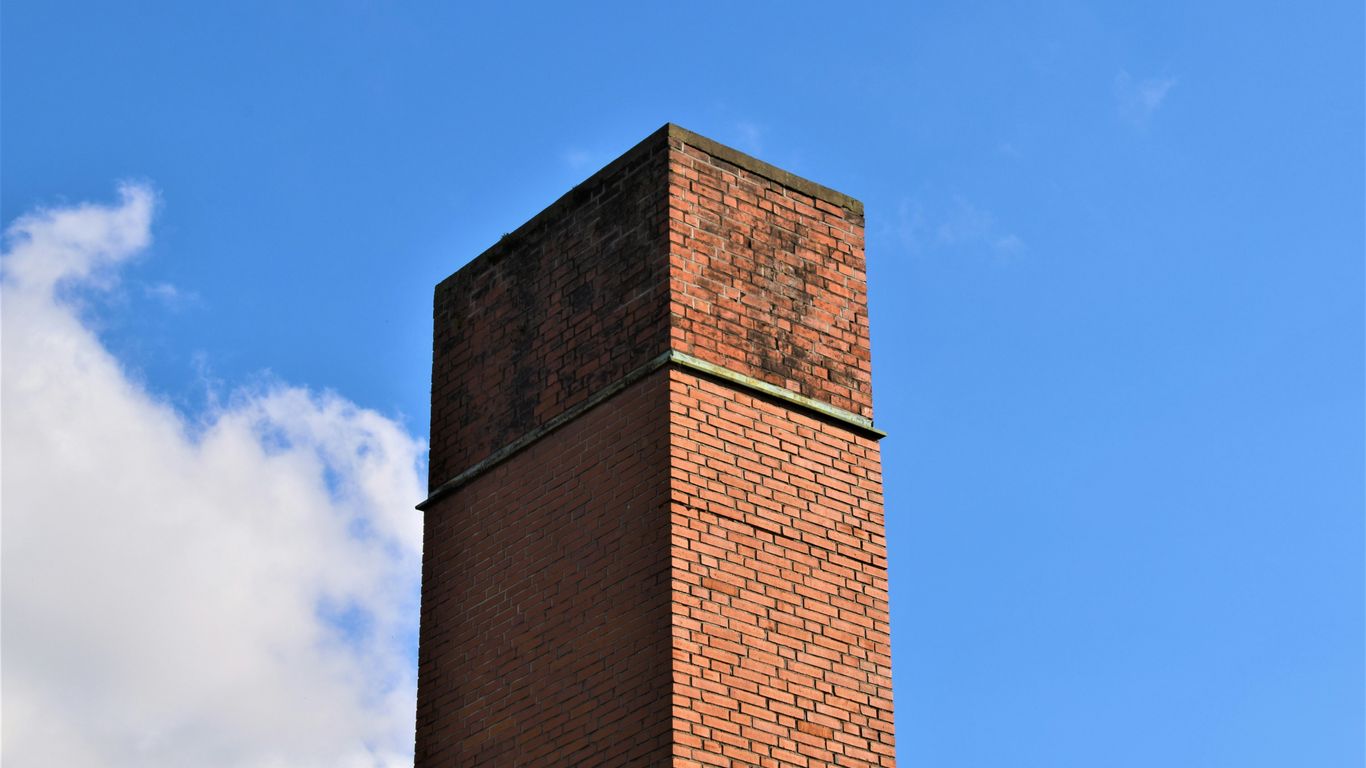
Before you even think about buying chimney straps, you really need to get a good look at your chimney. It’s like going to the doctor – you wouldn’t just ask for a prescription without telling them what’s wrong, right? Your chimney is no different. It’s constantly out there, taking a beating from the weather, and sometimes it shows it. You might see cracks, loose bits of mortar, or even bricks that look like they’re starting to crumble. These are all signs that your chimney might need some extra support, and that’s where straps come in.
Signs of Deterioration Requiring Straps
So, what exactly should you be looking for? It’s not always obvious, but there are a few key things that tell you it’s time to consider straps.
- Mortar Issues: This is a big one. If the mortar between your bricks is crumbling like sand, or if you can see gaps wider than about an eighth of an inch, water can get in. When that water freezes and thaws, it really messes with the mortar. You might also see a white, chalky powder on the bricks, which is a sign that water is moving through the mortar.
- Cracked or Spalling Bricks: Bricks themselves can start to break down. Spalling means the outer layer of the brick is flaking off. This can happen from moisture getting into the brick and then freezing. If you see bricks that are cracked or have chunks missing, that’s definitely a red flag.
- Leaning or Bowing: This is a more serious sign. If your chimney looks like it’s leaning to one side, or if parts of the wall seem to be bulging out, it means there’s a significant structural problem. Straps can help stabilize a chimney that’s starting to lean, but it’s often a sign that a professional inspection is needed.
- Loose or Missing Bricks: Sometimes, bricks just come loose or fall out entirely. This is usually because the mortar holding them in place has failed.
When to Inspect Your Chimney
Ideally, you should be giving your chimney a good once-over at least once a year. Think of it like changing the oil in your car – regular maintenance prevents bigger problems down the road.
- Spring and Fall: These are great times for a visual check. After a long winter of snow and ice, or before the cold weather really sets in, take a look. You’re checking for any new cracks, crumbling mortar, or loose bricks that might have appeared.
- After Severe Weather: If you’ve had a really bad storm with high winds or heavy hail, it’s a good idea to inspect your chimney afterward. Even if it looks okay from the ground, a strong gust could have dislodged something.
- If You Notice Issues Inside: Are you seeing water stains on your ceiling near the fireplace, or maybe a draft you didn’t have before? These could be signs that something’s wrong with the chimney structure, and it’s time for a closer look.
Professional Chimney Inspections
Sometimes, you just can’t see everything yourself, or you’re not sure what you’re looking at. That’s when it’s time to call in the pros. A professional chimney inspection is super important, especially if you see any of the more serious signs of damage. They have the tools and the know-how to spot problems you might miss. They can tell you if your chimney is leaning [755a] and what’s causing it, or if there are hidden issues within the flue or firebox [8b01]. A good inspection will give you a clear picture of your chimney’s health and what needs to be done to fix it, whether that’s just adding some straps or something more involved. It’s better to get a professional opinion than to guess and end up with a bigger problem later on.
Choosing the Right Brick Chimney Straps
Types of Chimney Straps Available
When it comes to keeping your chimney in good shape, picking the right straps is pretty important. You’ve got a few main kinds to think about, and they all do a slightly different job. There are the basic metal bands that wrap around the chimney, often used to reinforce weak spots or hold sections together. Then you have straps that are more like anchors, designed to tie the chimney structure back to the building itself, especially if it’s a freestanding chimney that might sway a bit in high winds. Some straps are specifically made to work with chimney caps, helping to secure them firmly to the top of the chimney. It’s not a one-size-fits-all situation, so knowing what your chimney needs is the first step.
Material Considerations for Durability
The material your chimney straps are made from really matters for how long they’ll last. You’ll most commonly see straps made from galvanized steel or stainless steel. Galvanized steel is coated with zinc to prevent rust, which is good for most situations. However, if you live in an area with a lot of salt in the air, like near the coast, or if you deal with harsh chemicals, stainless steel is a much better choice. It’s more resistant to corrosion and will hold up longer. Some decorative straps might be made of copper, which looks nice but can be more expensive and might not be as strong as steel for structural support. For most applications, stainless steel offers the best balance of strength, longevity, and resistance to the elements.
Matching Straps to Your Chimney’s Design
It’s not just about strength; the straps need to fit your chimney’s look and structure. Think about the size of your chimney – a wider chimney might need wider straps or more of them. The brickwork itself plays a role too. If your bricks are old and a bit crumbly, you’ll want straps that distribute pressure evenly and don’t dig into the mortar. For chimneys that are part of a larger structure, you might need straps that can be securely anchored into the building’s frame. If you’re dealing with a chimney that has a specific architectural style, you might look for straps that blend in better or are less visible. Sometimes, you might even need custom straps if your chimney has an unusual shape or requires a very specific type of support. It’s always a good idea to check if the straps you’re considering are designed for masonry chimneys specifically, as opposed to metal or prefab ones.
When selecting chimney straps, consider the overall condition of your masonry. Straps are a support system, not a magic fix for severely deteriorated brick or mortar. They work best when the underlying structure is still sound, providing reinforcement rather than attempting to hold crumbling pieces together.
Installation Process for Brick Chimney Straps
Alright, so you’ve decided to get those chimney straps installed. Good move! It’s not the most glamorous DIY project, but it’s definitely one that keeps your house safer. Let’s break down how to get them on there properly.
Preparing the Chimney for Strap Installation
Before you even think about touching a strap, you gotta get the chimney ready. This means cleaning up the area where the straps will go. You don’t want any loose bits of old mortar or debris getting in the way. Give the bricks a good brush-down. If there’s any loose material, gently chip it away. The cleaner the surface, the better the strap will grip. Also, take a look at the bricks themselves. If you see any that are really crumbling or loose, you might want to address that before adding the straps, because the straps need something solid to hold onto. It’s kind of like trying to nail something to rotten wood – it just won’t hold.
Step-by-Step Strap Application
Now for the actual installation. Most chimney straps are designed to wrap around the chimney and secure with bolts or screws. Here’s a general rundown:
- Position the Strap: Figure out where you want the strap to go. Usually, it’s best to place it a few feet up from the top of the chimney, or wherever the manufacturer recommends for your specific strap type. Make sure it’s level all the way around.
- Mark and Drill (if needed): Some straps might require you to drill pilot holes for screws or bolts. If yours does, mark the spots carefully. Use a masonry drill bit that’s the right size for your fasteners.
- Secure the Strap: This is the main event. If you’re using bolts, thread them through the strap and the pre-drilled holes, then tighten them down. If it’s a wrap-around style with a buckle or clamp, tighten that up securely. You want it snug, but not so tight that you’re cracking the bricks.
- Check for Stability: Give the strap a good tug. It shouldn’t budge. If it feels loose, tighten it up more or re-evaluate your fastening method. You might need to adjust the placement or use different hardware.
Ensuring a Secure and Watertight Fit
Getting the strap on is one thing, but making sure it’s secure and doesn’t create new problems is another. You don’t want water getting in where it shouldn’t. If your strap installation involves drilling into the masonry, you’ll want to seal those holes afterward. A good masonry sealant or caulk can help prevent water from seeping into the drill points. This is especially important if you’re installing straps that go through the brickwork, like some antenna mounts do. For straps that just wrap around, the main concern is making sure they are tight enough to do their job but not so tight they damage the brick. Think about how chimney flashing works – it’s all about directing water away. Your straps should do the same, not create new entry points for moisture. A properly installed strap should feel like a solid part of the chimney, not something that’s just hanging on.
Remember, the goal is to reinforce the chimney, not to create weak points. Take your time, double-check your work, and if anything feels off, it’s better to stop and figure it out than to rush and cause more damage.
Maintaining Your Brick Chimney Straps
So, you’ve got those chimney straps installed, which is great! They’re doing their job holding things together. But just like anything else on your house, they need a little attention now and then to keep them working right. Think of it like checking the oil in your car – you don’t wait for the engine to seize up, right? Same idea here.
Regular Inspection of Straps and Masonry
First off, you’ll want to give everything a good look-over at least once a year, maybe in the spring after the winter weather has done its worst, or in the fall before it starts. Grab a pair of binoculars if your chimney is hard to reach, or just get up there safely if you can. What are you looking for? Well, check the straps themselves. Are they still tight? Any signs of rust or corrosion, especially where they meet the brick? You want them to be snug, but not digging into the mortar. Also, keep an eye on the brickwork and mortar around the straps. Is the mortar still solid, or is it starting to crumble? You might see little bits of mortar on the ground below the chimney, which is a sign that things are breaking down. If you notice any loose bricks or significant cracks, that’s a red flag.
Cleaning Around Chimney Straps
Debris can build up around your chimney, and that’s not good. Leaves, twigs, dirt – they can hold moisture against the masonry and the straps. This can speed up corrosion on the metal and encourage the mortar to break down faster. So, gently clear away any gunk you find. Be careful not to dislodge anything or damage the straps or the bricks. A soft brush usually does the trick. If you have a lot of buildup, you might need to rinse it off, but make sure the chimney dries out completely afterward. You don’t want to trap water.
Addressing Minor Issues Promptly
This is where you can really save yourself some headaches and money down the line. If you spot a small crack in the mortar, don’t just ignore it. That little crack is an invitation for water to get in, freeze, expand, and make the crack even bigger. It’s much easier to fix a small gap than to deal with a whole section of crumbling mortar later. The same goes for a strap that seems a little loose. Tightening it up now can prevent bigger problems. If you’re not comfortable doing these small fixes yourself, that’s okay. Just make a note of it and call a professional. Getting masonry repair services sorted out early is always the smart move.
Keeping an eye on your chimney straps and the surrounding brickwork is a simple but effective way to protect your home. It’s all about catching small problems before they turn into big, expensive ones. Regular checks and quick fixes mean your chimney stays strong and safe for years to come.
If you see any of these issues, it’s a good idea to get them looked at:
- Rust or significant corrosion on the straps.
- Mortar that crumbles easily when touched.
- Visible gaps larger than an eighth of an inch between bricks.
- Loose or wobbly bricks near the straps.
- Water stains or dampness on the masonry.
Remember, a little maintenance goes a long way in keeping your chimney in good shape.
When to Seek Professional Help
While installing and maintaining brick chimney straps can sometimes be a DIY project, there are definitely times when it’s best to call in the pros. Trying to tackle a job that’s beyond your skill level can end up costing you more in the long run, not to mention the potential safety risks.
Signs Your Straps Need Professional Attention
Sometimes, even with regular checks, things can go wrong. If you notice any of these issues, it’s a good idea to get a professional opinion:
- Visible damage to the straps themselves: This could be significant rust, bending, or even a strap that has come completely loose from the chimney.
- New cracks or widening gaps in the masonry: Straps are meant to reinforce, but if the brickwork itself is failing, that’s a bigger problem.
- The chimney is leaning or looks unstable: This is a serious red flag. A leaning chimney is a serious issue that requires immediate professional attention.
- Water stains or moisture around the chimney base or where it meets the roof: This could indicate a problem with flashing or other sealing issues that straps can’t fix.
- You’re unsure about the condition of your chimney or the straps: When in doubt, it’s always safer to ask an expert.
Finding Qualified Masonry Professionals
Finding the right person for the job is key. You don’t want just anyone working on your chimney. Look for:
- Certified Chimney Sweeps or Masons: These professionals have specific training and experience with chimney systems.
- Contractors with Good Reviews and References: Check online reviews, ask neighbors, or look for testimonials. A solid track record is important.
- Properly Licensed and Insured Companies: This protects you in case of accidents or damage during the work.
- Specialists in Tuckpointing and Masonry Repair: Companies that focus on brick and mortar work often have the most relevant experience for chimney repairs.
The Benefits of Expert Installation and Repair
Bringing in a professional for chimney strap installation or repair offers several advantages:
- Safety: They have the right equipment and knowledge to work safely at heights and ensure the chimney is structurally sound.
- Correct Diagnosis: They can accurately identify the root cause of any problems, not just the symptoms.
- Quality Workmanship: Professionals use the right materials and techniques for a lasting repair, often backed by a warranty.
- Efficiency: They can usually complete the job faster and more effectively than a DIYer.
- Peace of Mind: Knowing the job is done right by experienced hands can save you a lot of worry.
Sometimes, the cost of professional repair might seem high upfront, but it’s often an investment that prevents much larger, more expensive problems down the line. Think of it as preventative maintenance for your home’s safety and structural integrity. Addressing minor issues promptly can save you a significant amount of money and hassle in the future.
Wrapping Up Your Chimney Strap Project
So, you’ve gone through the steps to install and maintain those brick chimney straps. It might seem like a small thing, but keeping them in good shape really helps your chimney last longer and stay safe. Remember, a little bit of regular checking goes a long way in preventing bigger, more expensive problems down the road. If you ever feel unsure or run into something tricky, don’t hesitate to call in a pro. Taking care of your chimney now means fewer headaches later.
Frequently Asked Questions
What exactly are brick chimney straps?
Brick chimney straps are like strong belts for your chimney. They’re usually made of metal and wrap around the brickwork to hold it together. Think of them as a way to give your chimney extra support, especially if it’s getting a bit shaky or has some cracks.
Why would my chimney need these straps?
Chimneys face a lot of weather, like wind, rain, and freezing temperatures. Over time, the mortar holding the bricks together can wear away. This can make the chimney unstable. Straps help prevent the chimney from leaning or even falling apart, keeping your home safer.
How often should I check my chimney straps?
It’s a good idea to give your chimney straps a look at least once a year. You can do this when you’re checking the rest of your chimney for any damage. Look for signs of rust on the straps or if they seem loose.
Can I install chimney straps myself?
While some handy homeowners might tackle this, it’s often best left to the pros. Installing them correctly is important for them to work effectively and safely. A professional mason knows how to secure them properly without causing more damage.
What happens if my straps get rusty?
Rust means the metal is weakening. If you see rust on your chimney straps, it’s a sign they might not be doing their job as well as they should. You’ll want to have them inspected and likely replaced by a professional to keep your chimney secure.
Are there different kinds of chimney straps?
Yes, there are! They can vary in material, like galvanized steel or stainless steel, and in how they’re designed to attach to the chimney. The best type for your chimney will depend on its size, location, and the specific issues it’s facing.